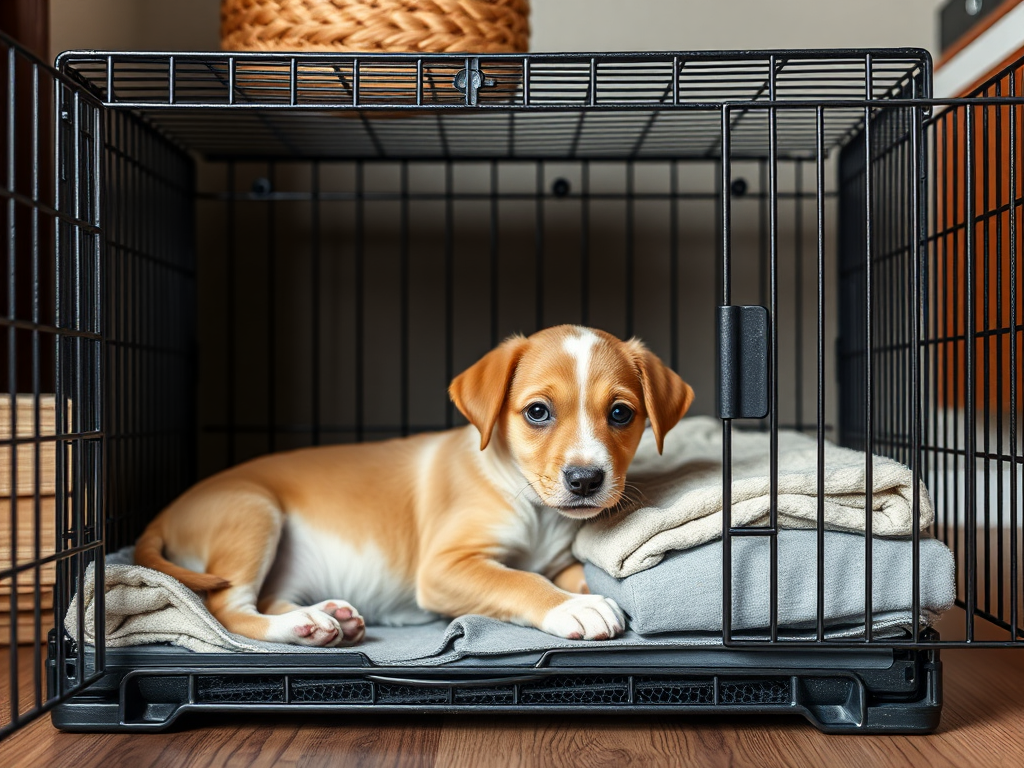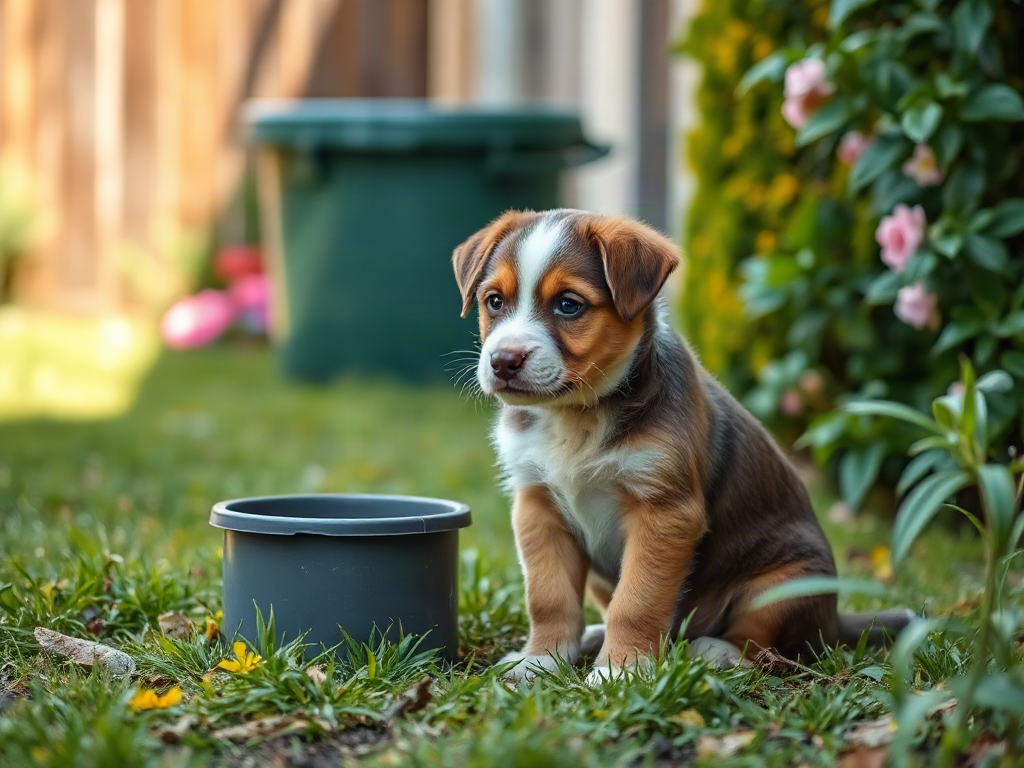
Help a puppy adjust to a new potty area by guiding them there on a leash at predictable bathroom times, using one consistent verbal cue, and rewarding elimination immediately at the chosen spot. Preserve a small scent marker, such as a urine-dabbed paper towel placed out of reach, so the unfamiliar location smells relevant. During the transition, supervise closely and limit access to the former area rather than waiting for the puppy to choose correctly. If the new surface, weather, noise, or route causes hesitation, shorten each visit, reduce distractions, and move the location gradually instead of punishing accidents or remaining outside until the puppy becomes stressed.
Why Puppies Resist a Different Bathroom Spot
A puppy may treat a familiar bathroom location as part of the elimination cue rather than as one interchangeable place. Smell, ground texture, the route from the door, nearby sounds, and the handler’s routine can all become linked with going potty. Changing several of those details at once can leave the puppy sniffing, playing, or holding their bladder even though they need to eliminate.
Surface preference often matters more than owners expect. A puppy accustomed to grass may hesitate on gravel, mulch, concrete, artificial turf, or a balcony tray. The reverse can happen with a puppy raised on pads or hard kennel flooring. This is not necessarily defiance. The puppy may not yet recognize the new surface as an acceptable toilet, especially when the old area remains visible or accessible.
Environmental pressure can compound that uncertainty. Traffic, barking dogs, sprinklers, wind, wet grass, darkness, or people passing nearby may interrupt the sniffing and circling that usually precede elimination. Consider a puppy moved from a sheltered backyard corner to a strip beside a busy sidewalk. The new spot may be convenient for the owner, but the puppy must process vehicles and pedestrians while standing on an unfamiliar surface. A quieter location may produce faster progress than repeated long waits in the busier one.
Age and physical capacity also set realistic limits. Young puppies may need to urinate soon after waking, eating, drinking, active play, or leaving confinement. If the walk to the new area takes too long, an accident may occur en route. Carrying a very young puppy to the location can preserve the learning opportunity, while an older puppy can usually walk there on a short leash.
Watch what happens immediately before refusal. A puppy who sniffs and circles but stops when a truck passes needs fewer distractions. One who pulls toward the former spot may need access blocked and the relocation broken into smaller increments. A puppy who squats frequently without producing much urine, strains, cries, has diarrhea, or suddenly loses previously reliable control needs veterinary attention rather than a stricter routine. Behavior work should not be used to explain away possible discomfort.
Prepare a Potty Area the Puppy Can Recognize
The new location should be easy to reach, reasonably quiet, safe underfoot, and distinct from play or feeding spaces. A small defined zone is usually clearer than an entire yard. Choose a place that can remain available through ordinary weather and schedule changes; repeatedly shifting the target forces the puppy to relearn the environmental picture.
Where possible, begin with a surface similar to the one the puppy already uses. A patch of sod can bridge a move from lawn to balcony, while a small grass section may help a puppy generalize before being expected to use gravel. Artificial turf and disposable pads are practical in some apartments, but they require regular cleaning and may strengthen a preference for soft, absorbent surfaces. If the long-term goal is outdoor grass, relying indefinitely on indoor pads can make the distinction between rugs, mats, and approved toilet material less obvious.
Scent can identify the function of the new area. Transfer a small amount of urine on a paper towel or move a soiled piece of sod to the chosen location, keeping any material where the puppy cannot chew or swallow it. A light scent trace is enough; leaving feces scattered around makes the space unpleasant and creates a sanitation problem. Remove waste promptly after the puppy has had a chance to investigate the relevant scent.
Make the route equally predictable. Use the same door, walk directly to the area, and pause within the defined zone rather than wandering around the property. Keep the leash loose enough for sniffing but short enough to prevent a shift into play. Toys, greetings, and exploration should wait until after elimination. That sequence makes bathroom behavior the route to outdoor freedom rather than an interruption of it.
A practical setup check includes:
- Access: The puppy can reach the spot before losing bladder or bowel control.
- Surface: The footing is stable, sanitary, and not excessively hot, cold, sharp, or slippery.
- Distraction level: The area permits sniffing without constant interruption.
- Boundary: Household members can identify and use the same target zone.
- Reward readiness: Small treats are already at the door so reinforcement is not delayed.
This preparation is more effective than simply placing the puppy outside and hoping they select the correct corner. Readers working through how to help a puppy adjust to a new potty area should prioritize a recognizable, repeatable setup over a theoretically perfect location that is difficult to use every day.
Use a Consistent Relocation Routine
Teach the new location through closely supervised repetitions at times when elimination is likely. Take the puppy out after waking, meals, drinking, vigorous play, and naps, as well as whenever they begin sniffing the floor, circling, disengaging from play, or moving toward the old exit. Predictable timing reduces the chance that a failed visit reflects an empty bladder rather than confusion about the place.
Walk or carry the puppy directly to the target, stand quietly, and allow a brief opportunity to sniff. Say a short cue such as “go potty” once when the puppy begins searching or just as elimination starts. Repeating the words continuously turns them into background noise. When the puppy finishes, mark the behavior with calm praise and provide a small, high-value treat within a second or two while still beside the spot. Rewarding after returning indoors can accidentally reinforce coming through the door instead.
If nothing happens after several quiet minutes, return indoors without play and keep the puppy under direct observation, tethered nearby, or in an appropriately introduced crate for a short interval. Then try again. The indoor pause is management, not punishment. Giving unrestricted access after an unsuccessful trip often leads to an accident behind furniture because movement and indoor familiarity help the puppy relax.
Gradual relocation works well when the desired site is substantially different or farther away. Move a pad, tray, sod patch, or outdoor target a short distance toward the final location every day or two, provided the puppy continues using it. For example, a puppy toileting beside the back step might first learn a patch a few feet away, then a point halfway across the yard, and Ultimately the permanent corner. If misses increase, return temporarily to the last successful position rather than continuing to move the target.
The main tradeoff is speed versus clarity. An immediate move may be necessary after relocating homes, losing yard access, or discovering a safety hazard. In that case, increase supervision and opportunities because the puppy cannot rely on a transitional location. When circumstances permit, smaller moves usually create less confusion but require owners to tolerate a temporary intermediate spot.
Signs of progress include walking willingly to the area, beginning to sniff soon after arrival, eliminating within a shorter window, and occasionally heading toward the correct door. Continue accompanying the puppy even after early successes. Independent yard access can hide whether elimination occurred and may allow rehearsals in the former location. A detailed approach to how to help a puppy adjust to a new potty area depends on verified repetitions, not assumptions based on time spent outdoors.
Troubleshoot Refusal, Accidents, and Setbacks
Repeated refusal means the plan needs adjustment, not that the puppy should be scolded or kept outside indefinitely. Long, frustrating waits may turn the new area into a place associated with pressure, weather exposure, or missed play. Short attempts followed by close indoor management preserve urgency and provide another controlled opportunity.
If the puppy eliminates immediately upon reaching the former spot, location preference remains stronger than the new cue. Block unsupervised access to that area and place a scent sample at the new one. When feasible, temporarily cover the old patch, change its function with supervised activities, or escort the puppy past it without stopping. Cleaning hard indoor surfaces with an enzymatic cleaner designed for pet waste can reduce residual odor; standard household cleaners may remove the visible mark without fully addressing scent molecules detectable to a dog.
Accidents near the exit often point to a timing or access problem. Move trips earlier, keep shoes and treats ready, and carry a puppy who cannot reliably complete the route. Accidents in a secluded room indicate too much freedom between attempts. Close doors, use gates, or keep the puppy in the same room as an attentive adult. Punishing a discovered puddle provides no useful connection between the act and the consequence, and startling a puppy during elimination may teach them to hide when they need to go.
Weather requires targeted adaptation. For rain-sensitive puppies, a covered location may be better than repeatedly coaxing them onto exposed ground. Some puppies dislike wet or tall grass; trimming a small section or using a stable grass mat can lower that barrier. In hot conditions, check pavement and artificial surfaces before use and choose shade. At night, add gentle lighting without turning the trip into an exciting outing.
A setback after several good days can follow schedule changes, visitors, dietary upset, a growth-related change in elimination frequency, or premature freedom. Return to the last level that worked: closer supervision, more frequent trips, direct escort, and immediate rewards. Keep a simple record of meals, water, naps, trips, successes, and accidents for several days. Patterns often reveal that failures cluster after evening play or occur when one household member uses a different door.
Contact a veterinarian when accidents appear suddenly in a previously reliable puppy or occur with straining, blood, unusual thirst, vomiting, diarrhea, lethargy, pain, or frequent small urinations. If health concerns are excluded but the puppy remains fearful of the route or location, a qualified reward-based trainer can observe environmental triggers that are difficult to identify remotely. The goal is not to force compliance; it is to make the correct place understandable, accessible, and safe enough to use consistently.
Frequently Asked Questions
How long does it take a puppy to accept a new potty area?
Some puppies adapt within several successful trips, while others need days or longer when the surface, route, or surroundings differ sharply. Judge progress by increasingly prompt elimination and fewer accidents rather than by a fixed deadline.
Should I move the old potty pad to the new location?
Yes, moving the pad in small increments can help when the change is optional. If the old spot is immediately unavailable, place a fresh pad or comparable surface at the new site and add a safe scent sample.
What should I do if my puppy will only potty in the old spot?
Prevent unsupervised access to the old spot, escort the puppy to the new one during likely bathroom times, and reward there immediately. If possible, relocate the target gradually from the familiar area.
Should I stay outside until my puppy In closing goes?
Avoid prolonged standoffs. Offer a short, quiet opportunity, return indoors under close supervision if nothing happens, and try again after a brief interval.
Why does my puppy play instead of using the new potty area?
The puppy may be distracted, may not need to eliminate yet, or may not recognize the location’s purpose. Use a leash, remove toys, choose better-timed trips, and reserve exploration for after a successful potty.
Conclusion
A successful change depends on making the new bathroom location easier to understand than the alternatives. Select a stable surface and quiet boundary, use a direct route, schedule trips around the puppy’s natural elimination times, and deliver the reward at the spot immediately after completion. Gradual movement is useful when the old area remains available; tighter supervision is necessary when the change must happen at once.
Track patterns rather than treating every accident as a training failure. Hesitation can reveal an uncomfortable surface, an intimidating sound, a trip scheduled too late, or excessive indoor freedom after an unsuccessful attempt. Adjust one obstacle at a time and return briefly to the last successful stage when progress slips. Sudden urinary changes, digestive signs, pain, or unusual thirst warrant veterinary guidance before further behavioral troubleshooting.