A puppy who suddenly won’t go potty outside may be reacting to frightening noises, harsh weather, an uncomfortable surface, outdoor distractions, a disrupted schedule, or pain associated with urination or bowel movements. First watch for straining, frequent attempts, diarrhea, constipation, blood, unusual thirst, lethargy, or vocalizing, because a sudden behavior change with physical symptoms warrants veterinary guidance. If your puppy seems well, return to supervised potty trips after waking, eating, drinking, play, and naps, using one quiet location and an immediate reward after elimination. Avoid long outdoor standoffs, punishment, and unsupervised indoor freedom, which can strengthen avoidance and household accidents.
Why a Previously Reliable Puppy May Stop Going Outside
A sudden potty setback usually follows a change in what the puppy experiences before, during, or immediately after an outdoor trip. A puppy may have been startled by construction, thunder, another dog, a closing gate, or a vehicle near the usual spot. Cold rain, deep snow, hot pavement, wet grass, or a new surface can make the location unpleasant. Moving house, changing doors, altering meal times, or expecting longer bladder control can disrupt a routine that was not yet firmly established.
Outdoor distraction creates a different pattern. The puppy becomes absorbed in leaves, scents, people, or play, then empties its bladder shortly after returning to the quieter house. This does not mean the puppy is being defiant. Elimination requires enough physical comfort and attention to pause, sniff, circle, and settle. A stimulating yard or busy sidewalk can repeatedly interrupt that sequence.
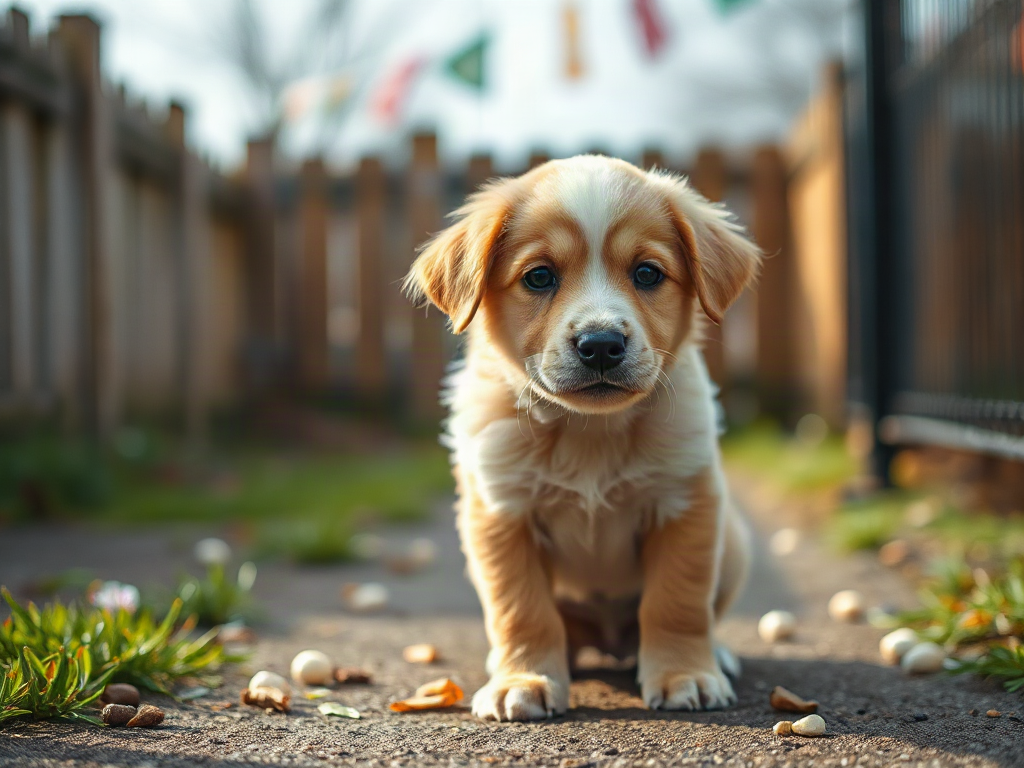
Look closely at what happens rather than treating every accident as the same problem. A puppy that freezes at the doorway is giving different information from one that happily explores for 20 minutes. Freezing, pulling home, tucking the tail, or scanning the environment points toward discomfort or fear. Energetic sniffing and play without elimination suggest distraction or poorly timed trips. Squatting outside but producing little or nothing raises more concern about physical discomfort.
Household changes matter as well. More access to carpeted rooms may allow accidents to occur unnoticed, while a shift from frequent outings to a workday schedule may exceed the puppy’s current capacity. Young puppies do not generalize rules reliably: understanding “do not pee in the kitchen” does not automatically mean “hold it in every room until someone opens the door.” A recently adopted puppy may also appear trained for several days simply because stress suppresses normal behavior.
Keep a brief record for two or three days. Note meals, water, sleep, play, outdoor attempts, successful elimination, stool quality, accidents, weather, and any frightened behavior. The pattern can clarify why my puppy won’t go potty outside anymore more effectively than guessing from a single incident. The common mistake is assuming the puppy has consciously abandoned training; that assumption often leads to scolding instead of identifying the changed condition.
When the Change Could Signal a Health Problem
An abrupt loss of potty reliability should receive more medical attention than a gradual training lapse, particularly when elimination itself appears difficult. Urinary irritation, digestive upset, constipation, parasites, dietary changes, pain, and other health problems may alter urgency or make a puppy reluctant to eliminate. A puppy that once urinated comfortably outside may begin holding it if squatting has become painful, or may have an accident before reaching the door because urgency has increased.
Contact a veterinarian promptly if you notice repeated straining, frequent squatting with little output, crying during elimination, blood in urine or stool, vomiting, pronounced lethargy, a swollen or painful abdomen, loss of appetite, or a major change in drinking. Inability to pass urine is an urgent concern rather than a training issue. Diarrhea in a young puppy also deserves careful attention because puppies can become unwell more quickly than healthy adult dogs. Seek individualized veterinary direction rather than waiting for obedience work to correct physical symptoms.
The appearance of an accident provides useful context. A large puddle after an unusually long interval may reflect scheduling. Numerous small spots, persistent licking around the urinary area, or repeated requests to go out can point toward irritation or urgency. Loose stool after a food change differs from a formed bowel movement hidden in the same room at a predictable time each day. These observations cannot diagnose a condition, but they help a veterinarian assess what may be happening.
Do not deliberately restrict water to prevent accidents unless a veterinarian has given specific instructions. Reduced access can obscure changes in thirst and does not address the cause of increased urination. Likewise, do not assume that normal energy rules out discomfort. Some puppies continue playing despite early urinary or digestive signs.
If the veterinary assessment does not identify a medical cause, that is useful information rather than proof that the behavior is stubbornness. It allows you to focus on timing, supervision, location, and outdoor comfort. When reviewing why my puppy won’t go potty outside anymore, prioritize health screening whenever the change is sudden, the puppy cannot produce urine or stool normally, or training adjustments fail despite close supervision.
A Practical Potty-Training Reset
A short return to close management is more effective than waiting outdoors indefinitely. Treat the puppy as temporarily untrained: schedule frequent opportunities, supervise indoors, and reward the correct location immediately. The goal is to create several clear outdoor successes while preventing the puppy from rehearsing elimination on rugs, bedding, or hidden corners.
Take the puppy to one quiet, accessible spot after waking, after meals or substantial drinking, after active play, after naps, and before confinement or bedtime. Use a leash even in a fenced yard if roaming turns the trip into play. Stand calmly and allow enough leash for sniffing without walking laps around the property. A familiar surface and location reduce competing choices.
Use this compact reset sequence:
- Go out at a likely elimination time. Bring the reward with you rather than leaving it indoors.
- Keep the trip quiet and purposeful. Avoid games, greetings, and extensive wandering before elimination.
- Reward immediately outside. Deliver a small treat and calm praise within seconds of finishing.
- If nothing happens, return under supervision. Use a crate, pen, tether, or direct observation for a short interval, then try again.
- Clean accidents thoroughly. Use a pet-appropriate enzymatic cleaner according to its label so residual odor does not keep drawing the puppy back.
The order of rewards matters. Giving a treat only after returning indoors can accidentally reward coming through the door rather than eliminating. Conversely, ending every outdoor trip the instant the puppy urinates may teach a puppy that going potty makes outdoor access disappear. When conditions are safe and your schedule allows, provide a few minutes of sniffing or gentle play after the reward so elimination becomes the gateway to enjoyable outdoor time.
If the puppy has an accident, interrupt only if you catch the behavior as it begins and can do so without frightening the puppy. Move outside calmly, then reward if the puppy finishes there. Punishing an accident after the fact does not explain the desired location. It may instead teach the puppy to hide before eliminating or avoid doing it while a person is watching.
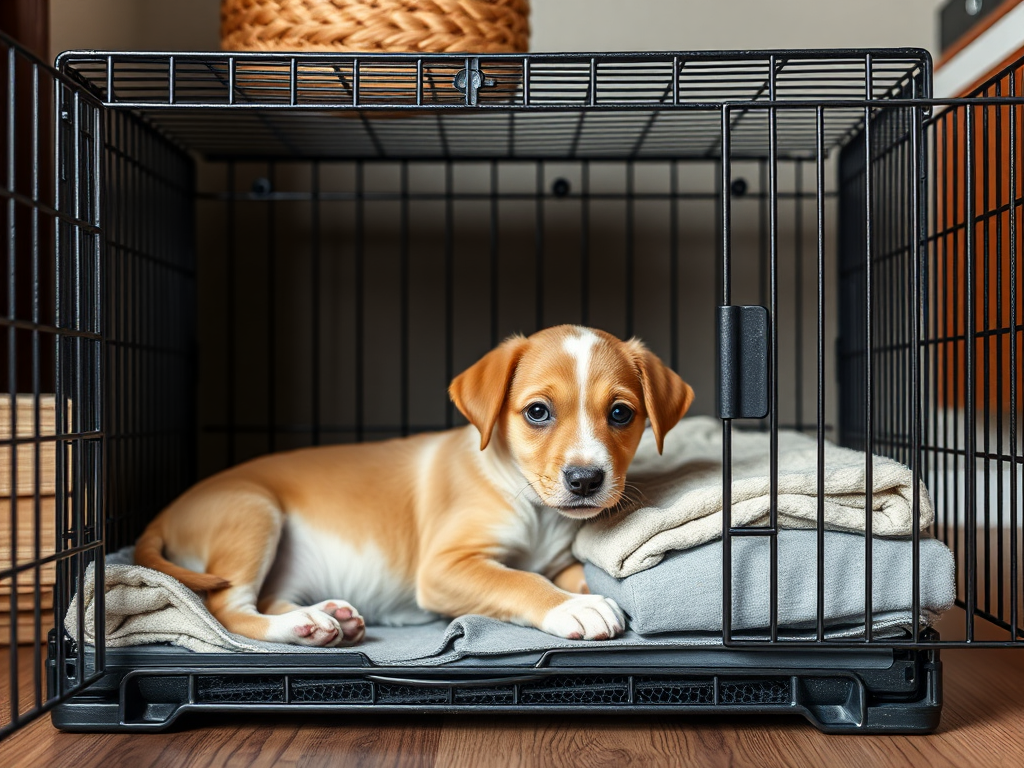
Crate use can support the reset, but it is not a substitute for timely outings. The space should be appropriately sized and associated with rest, not used to force a puppy to hold waste beyond its ability. If accidents repeatedly happen in confinement, reassess the interval, bedding, crate dimensions, recent water intake, and possible health concerns rather than extending confinement.
Fixing Outdoor Fear, Distraction, and Weather Resistance
The outdoor setup should match the reason the puppy is hesitating. A fearful puppy needs distance and predictability; a distracted puppy needs a quieter, less entertaining routine; a weather-sensitive puppy needs a tolerable surface and efficient timing. Applying the same response to all three can make the setback last longer.
For doorway hesitation or fear, begin below the point where the puppy panics. Open the door, allow the puppy to observe, and reward calm movement toward or just beyond the threshold. Gradually work toward the potty area during quieter periods. Do not drag the puppy by the collar or lure it so far that it suddenly realizes it feels trapped. A secure harness and leash may provide safer control, but equipment does not replace gradual exposure.
Consider a puppy frightened by a garbage truck near the front lawn. Repeatedly placing that puppy in the same spot while the truck operates may intensify the association. Using a sheltered location on the other side of the building, visiting before the truck arrives, and rewarding calm elimination preserves the bathroom routine while confidence is rebuilt separately. Fear work and potty practice can occur at different times.
For distraction, reduce the size of the usable area and save exploration until after success. Quietly returning to the same patch is usually clearer than taking a long walk filled with new scents. A verbal potty cue can become useful, but say it as the puppy begins to eliminate rather than repeating it continuously. After enough pairings, the phrase may help communicate the purpose of a trip; it cannot force an empty or anxious puppy to go.
Weather adjustments should improve comfort without creating an impossible standard. Clear a small patch of snow, choose shade when pavement is warm, use a covered area during heavy rain, or select grass if gravel is uncomfortable. Test hot surfaces with care and avoid unsafe outdoor conditions. Indoor pads or grass trays may be necessary for some living arrangements or severe weather, but they can slow an outdoor-only goal because they preserve an approved indoor surface. If you use one, place it consistently and plan a gradual transition rather than moving it unpredictably.
Repeated refusal despite thoughtful adjustments means the trigger may not be obvious. Review time of day, nearby dogs, surface texture, leash pressure, lighting, and the route to the spot. Understanding why my puppy won’t go potty outside anymore often requires changing one condition at a time so you can see which adjustment actually helps.
How to Tell Whether the Reset Is Working
Progress appears first as clearer patterns, not perfect accident-free days. Useful signs include eliminating sooner after reaching the designated area, showing less hesitation at the door, producing normal urine and stool, and having fewer accidents during closely supervised periods. A puppy may still need frequent outings even after several successes, so extending intervals too quickly can erase early gains.
Use the record from the first few days to make measured changes. If the puppy consistently urinates within five minutes after waking but has afternoon accidents following play, add an outing at the end of play rather than making every trip longer. If rain is the only condition linked with refusal, practice brief positive outdoor visits during light rain and maintain a sheltered bathroom option. Targeted adjustments are easier for the puppy to understand than changing the cue, location, reward, and schedule simultaneously.
A failing reset has recognizable signs. Accidents continue despite direct supervision, the puppy repeatedly strains or produces abnormal waste, fear worsens near the exit, or elimination becomes increasingly secretive. Medical signs call for veterinary input. Persistent fear may benefit from a qualified reward-based trainer or veterinary behavior professional, especially if the puppy will not take food, attempts to flee, or cannot recover after the trigger has passed.
Do not measure improvement by how long the puppy can be forced to wait. Reliable house training means the puppy has frequent chances to succeed, begins communicating a need to go, and prefers the practiced outdoor location. Bell use, sitting at the door, pacing, or staring at a person can become signals, but some puppies communicate subtly. Owners still need to provide scheduled trips rather than relying entirely on an immature alert behavior.
Once several days show a stable pattern, expand freedom gradually. Open one additional room after a successful outdoor trip and continue watching for sniffing, circling, wandering away, or abruptly stopping play. If accidents return, reduce freedom and shorten the interval again. This is not starting over; it is matching management to the puppy’s current reliability.
Frequently Asked Questions
Why does my puppy pee immediately after coming back inside?
Outdoor stimulation or anxiety may prevent the puppy from settling long enough to urinate. Use a quiet leash trip, then keep the puppy directly supervised indoors and return outside after a short interval if nothing happened.
Should I stay outside until my puppy All in all goes?
Not indefinitely. A long standoff can increase stress or turn the outing into entertainment. Try a calm, limited trip, return inside under close supervision, and repeat when elimination is more likely.
Should I punish my puppy for an indoor accident?
No. Punishment after an accident does not teach the outdoor location and may encourage hidden elimination. Clean the area thoroughly, tighten supervision, and reward the next outdoor success immediately.
Can bad weather cause a potty-training setback?
Yes. Rain, snow, wind, heat, or an uncomfortable surface can change a puppy’s willingness to eliminate. Offer a sheltered, safe spot while keeping the location and reward routine consistent.
When should I call a veterinarian about potty refusal?
Seek veterinary guidance for sudden changes accompanied by straining, repeated unproductive attempts, blood, vomiting, diarrhea, pain, lethargy, unusual thirst, or appetite changes. Inability to pass urine requires urgent attention.
Conclusion
Respond to the setback by separating health concerns from environmental and scheduling problems. Abnormal elimination, discomfort, or a sharp unexplained change deserves veterinary attention; a comfortable puppy with predictable accidents usually needs closer timing, quieter outings, immediate outdoor rewards, and less unsupervised freedom. Track when refusal occurs, then alter one relevant condition—such as the surface, location, weather protection, or post-play schedule—rather than changing the entire routine at once. Expect reliability to return through repeated successful trips, not through longer confinement or punishment. When the puppy begins eliminating promptly and accidents decline, restore household access gradually while preserving the outing schedule that produced those gains.