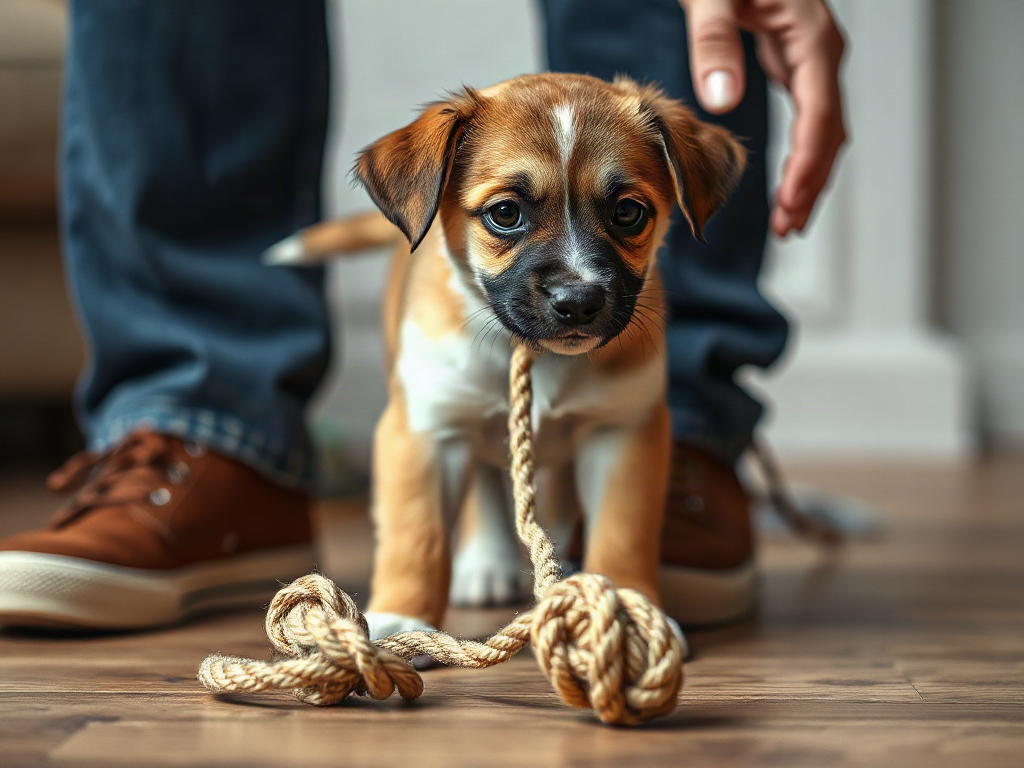
Should I Tap My Puppy On The Nose When He Bites?
Do not tap a biting puppy’s nose. Learn safer ways to stop mouthing, reward gentle play, manage triggers, and recognize when professional help is needed.

Do not tap a biting puppy’s nose. Learn safer ways to stop mouthing, reward gentle play, manage triggers, and recognize when professional help is needed.
Learn how to begin service dog training at home with candidate assessment, foundation skills, task shaping, safe practice, and professional support.
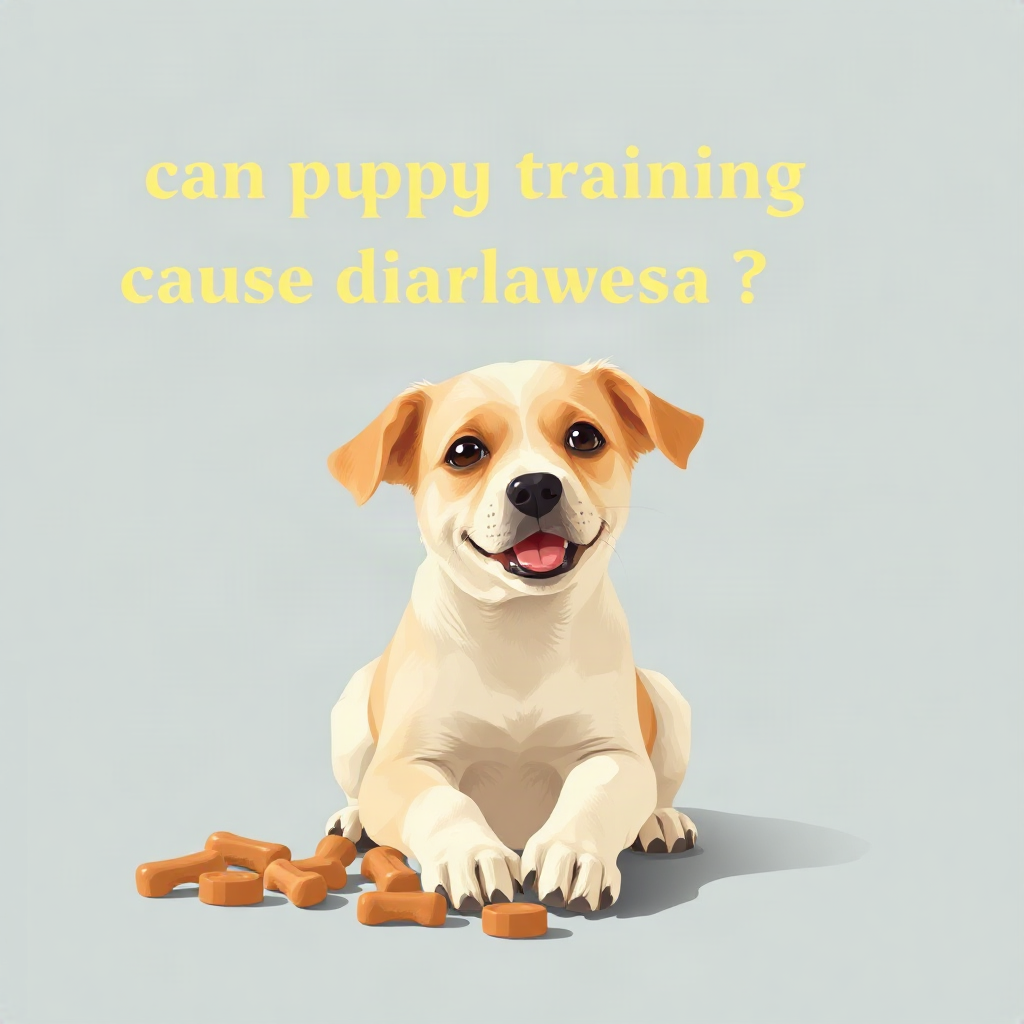
can puppy training treats cause diarrhea: yes. Puppy training treats can cause diarrhea, especially when a puppy eats too many, receives a new.
Puppies learn commands faster when cues, short sessions, and rewards match the behavior you want.
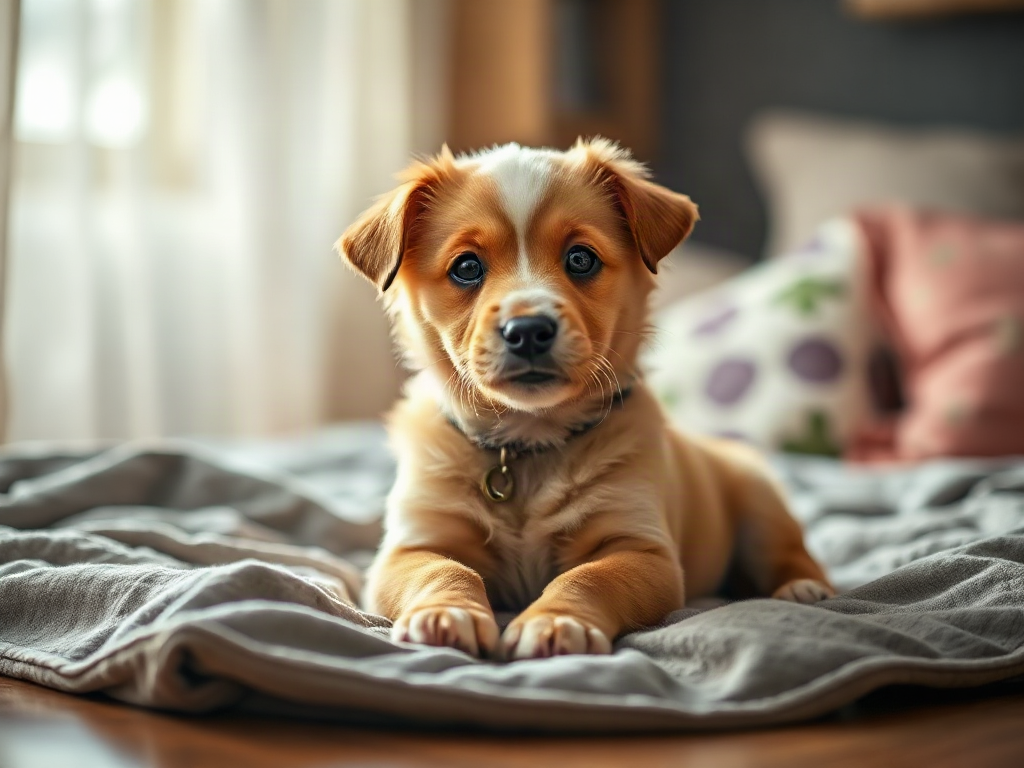
The best methods for preventing puppy accidents at night combine a final outdoor potty trip, an appropriately sized sleeping area, planned overnight breaks, and immediate rewards for eliminating outside. Match the schedule to the puppy’s age and recent accident pattern rather than expecting a very young puppy to remain dry until morning.
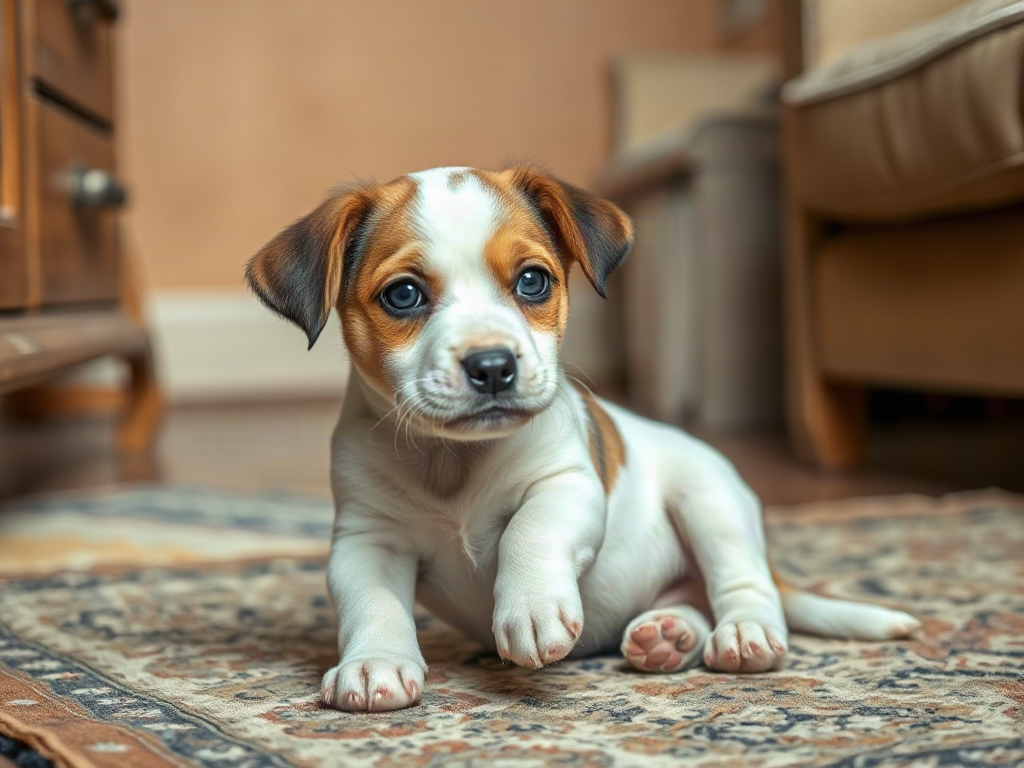
Inconsistent puppy training fails because mixed cues, changing rewards, and conflicting household rules prevent a puppy from predicting which behavior will succeed. A cue such as “down” loses meaning when another person says “lie down,” while occasional rewards for jumping can outweigh repeated attempts to teach four paws on the floor.
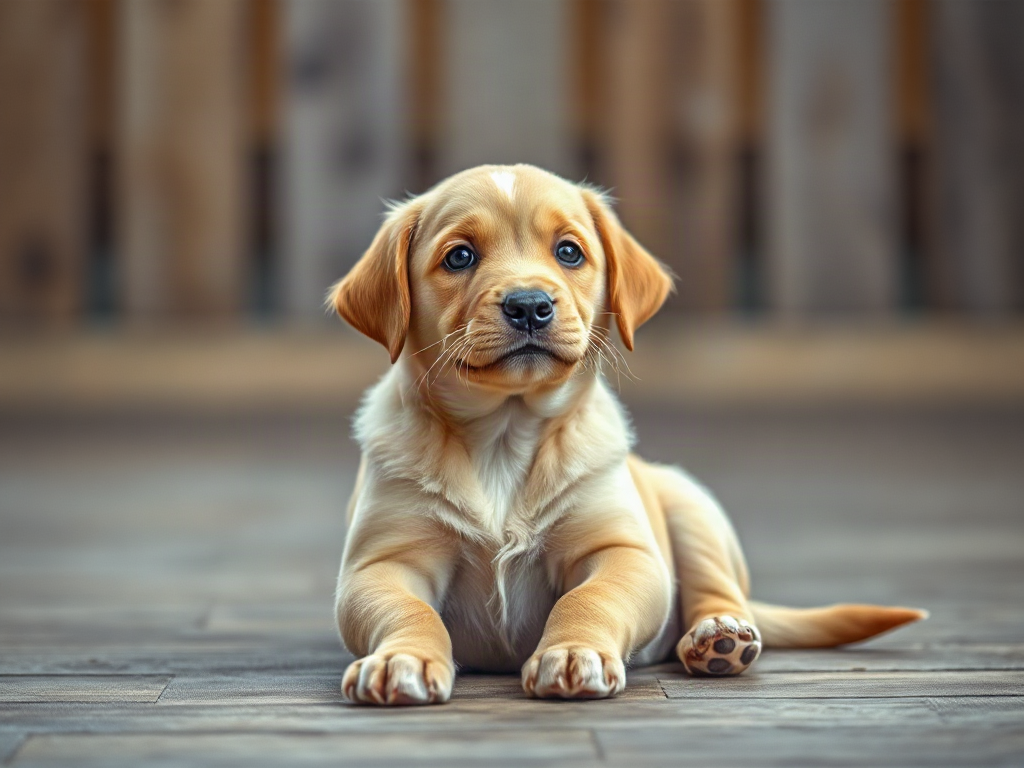
Help your puppy feel secure during training by using a predictable session routine, teaching in a quiet space, rewarding voluntary participation, and stopping before stress escalates. Begin with an easy behavior your puppy already understands, use small food rewards, and introduce only one new challenge at a time.
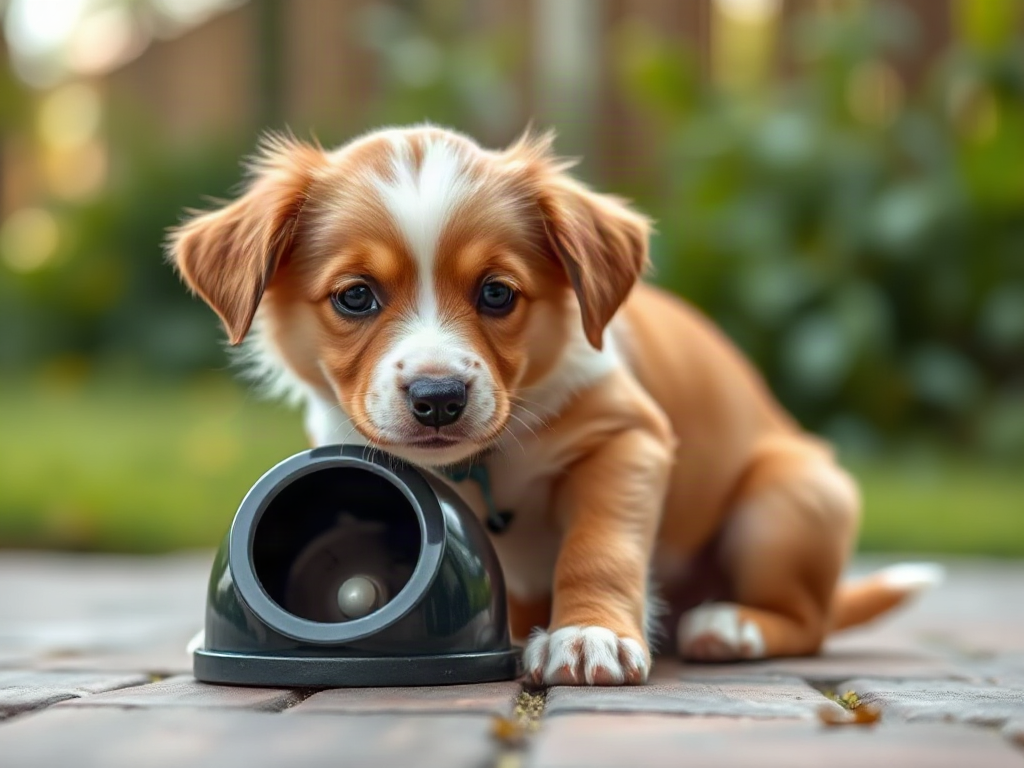
Your puppy may refuse to use the potty bell because the bell has not acquired a clear meaning, its sound or movement feels unpleasant, or ringing it has not reliably led to an immediate outdoor potty trip.
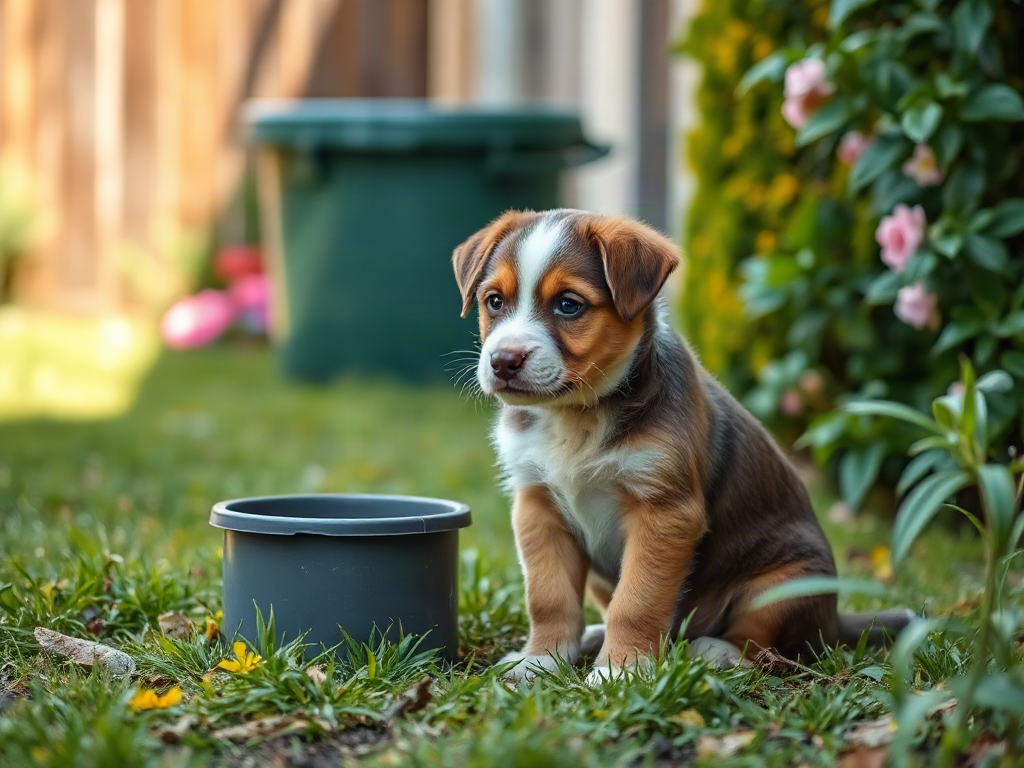
Help a puppy adjust to a new potty area by guiding them there on a leash at predictable bathroom times, using one consistent verbal cue, and rewarding elimination immediately at the chosen spot. Preserve a small scent marker, such as a urine-dabbed paper towel placed out of reach, so the unfamiliar location smells relevant.
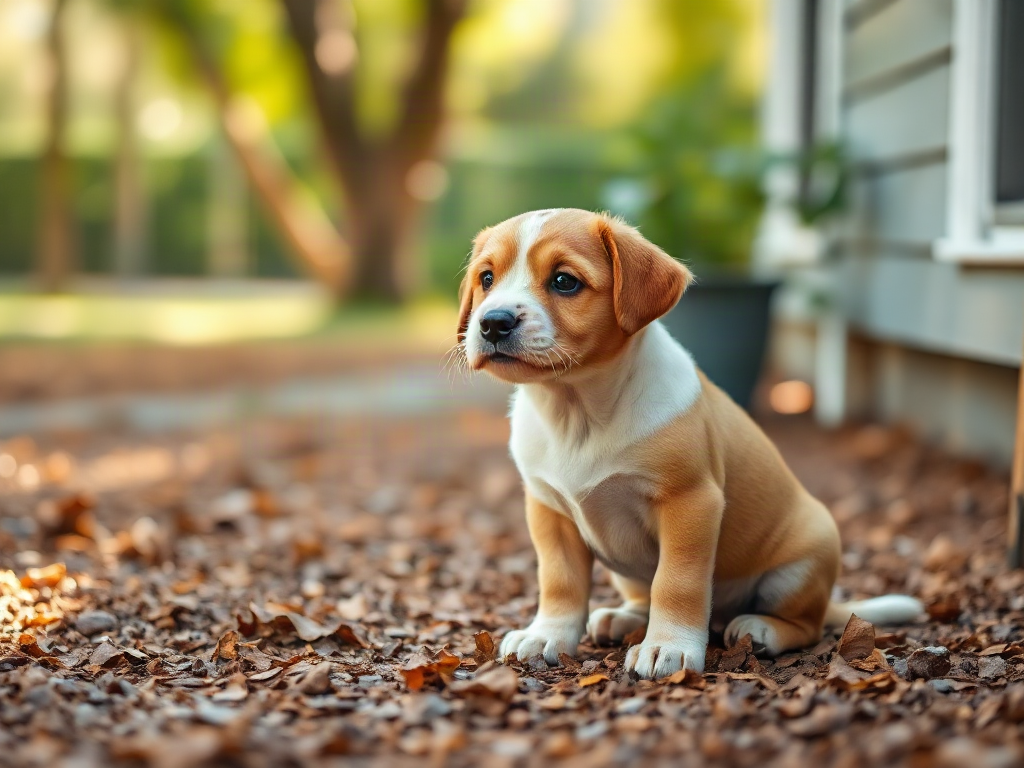
To stop a puppy from peeing indoors, supervise closely, schedule outdoor toilet trips around predictable bladder triggers, and reward outdoor urination immediately. Take the puppy out after waking, eating, drinking, vigorous play, and confinement rather than waiting for sniffing or circling.