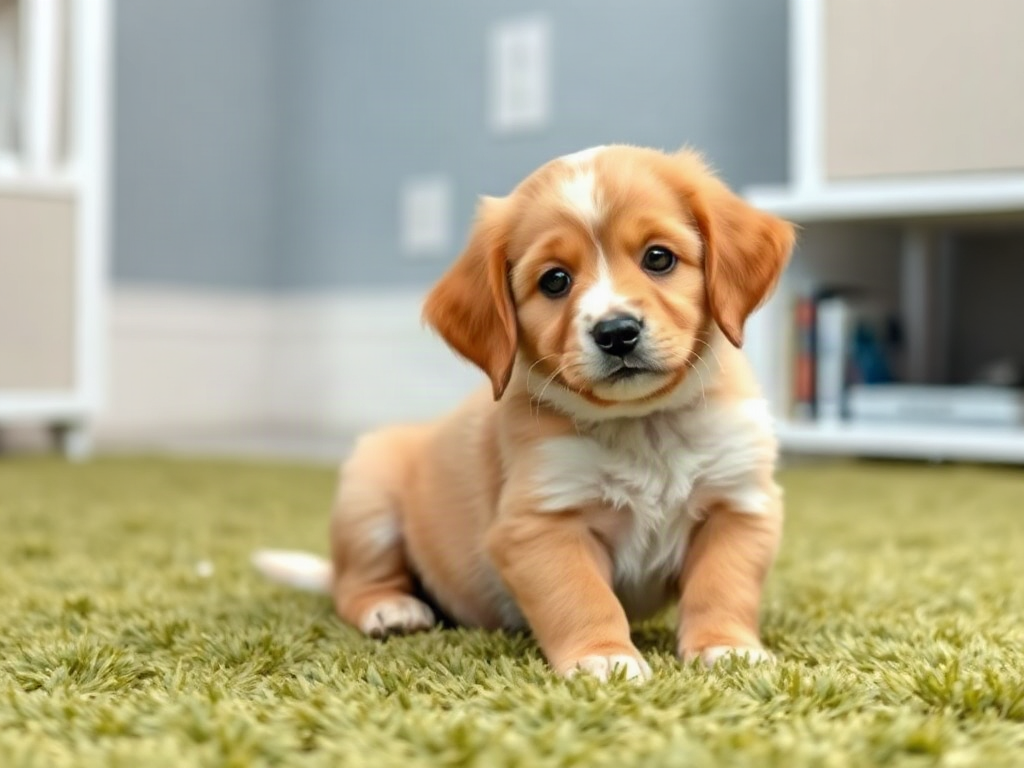
Encourage a puppy to enjoy leash walks by building positive associations indoors before asking for distance outdoors. Let the puppy investigate a comfortable harness, reward voluntary movement beside you, and begin outside in a quiet area where traffic, dogs, and unfamiliar sounds are limited. Keep each outing short enough to end before fatigue or fear appears, while allowing frequent sniffing instead of pulling the puppy toward a destination. If the puppy freezes, create slack, move away from the pressure, and reward one willing step; persistent reluctance, pain signals, or sudden behavior changes warrant a veterinary check.
Prepare the Equipment and Walking Environment
A puppy cannot relax on a walk when the equipment pinches, shifts, or creates constant pressure. Check harness fit before working on walking behavior: it should remain secure without restricting the shoulders, rubbing behind the front legs, or rotating around the body. You should be able to fit fingers beneath the straps, but the puppy should not be able to back out. Recheck the fit frequently because young dogs grow quickly.
A lightweight fixed-length leash is usually easier for a beginner than a heavy chain or retractable lead. A retractable leash changes tension as the puppy moves and can unintentionally teach that pulling makes the line extend. A standard leash gives clearer feedback and is easier to shorten safely near roads. Attach it to the point recommended by the harness manufacturer, and inspect clips and stitching for damage before leaving home.
Equipment alone will not make an overwhelming street feel safe. A quiet driveway, courtyard, or low-traffic section of sidewalk is a better first setting than a shopping area, busy park, or route filled with barking dogs. Puppies process movement, smells, surfaces, vehicles, and strangers at once. Reducing those demands leaves enough attention for eating rewards, following you, and exploring voluntarily.
Bring tiny, easy-to-swallow food pieces that your puppy genuinely values. Ordinary kibble may work indoors but lose its value near a noisy truck or unfamiliar dog. Reserve richer food for harder settings, while keeping portions small and accounting for rewards in the puppy’s daily intake. Do not withhold meals to force participation; a worried puppy may refuse even desirable food.
Before practicing how to encourage a puppy to enjoy leash walks, confirm that outdoor access matches your veterinarian’s advice about vaccination status and local disease exposure. A private, clean area may be appropriate before public sidewalks in some circumstances. Carry the puppy to a suitable practice location if the route there is currently too intense. The common mistake is choosing a destination based on desired exercise rather than the puppy’s present ability to cope.
Build Positive Leash Experiences Indoors
Indoor preparation should teach the puppy that walking equipment predicts choice, food, and brief interaction rather than restraint. Place the harness on the floor and reward investigation. Once the puppy approaches comfortably, hold the opening near the puppy’s head and reward the puppy for moving toward or through it. Avoid pushing the harness over a retreating puppy, because forced handling can make the equipment itself a warning that control is about to disappear.
Fasten the harness for only a few seconds at first, offer food, and remove it before scratching, biting at straps, or hiding begins. Extend the wearing time gradually while the puppy eats, searches for scattered kibble, or plays. If the puppy becomes motionless after the harness is attached, check its fit and return to a shorter stage. Assuming immobility is stubbornness often leads people to drag the leash and strengthen the puppy’s concern.
When the puppy moves normally in the harness, attach the leash and hold it rather than leaving it trailing without supervision. Walk two or three steps across a clear room, mark or praise voluntary movement near you, and deliver a reward beside your leg. Reward placement matters: tossing food far ahead can encourage surging, while feeding at your side makes returning to that area worthwhile. Change direction gently before the leash becomes tight.
A useful indoor session may last only one or two minutes. For example, walk from the kitchen to the hallway, pause for a short sniffing search, and finish by removing the equipment calmly. Several successful repetitions spread through the day are more productive than one long drill that ends with leash biting or loss of focus. Stop while the puppy still wants to participate.
Practice brief door routines separately. Touch the handle, reward calm behavior, open the door slightly, and close it again. Progress to standing at the threshold and then stepping outside for a reward before returning indoors. This separates the excitement of the doorway from the skill of moving on leash. Requiring a prolonged sit is unnecessary for enjoyment; the practical goal is a puppy who can leave without charging and can retreat indoors if the outside environment feels too difficult.
Use a Gradual 7-Day Outdoor Plan
A seven-day plan is a sequence of exposure levels, not a deadline for reaching a particular distance. Repeat a day whenever the puppy cannot eat, investigate the ground, or move without repeated coaxing. Confident puppies may progress faster, while cautious puppies may need several sessions at one level. Measure willingness rather than blocks walked.
- Day 1: Wear the harness indoors and practice following for a few steps.
- Day 2: Rehearse at the open doorway, rewarding calm approaches and voluntary retreats.
- Day 3: Spend one to three minutes immediately outside, with no distance target.
- Day 4: Follow a short path away from home, then return before attention deteriorates.
- Day 5: Add gentle direction changes and reward the puppy for reconnecting with you.
- Day 6: Introduce one manageable novelty, such as a different surface or a distant cyclist.
- Day 7: Repeat the easiest successful route and allow more sniffing time.
Keep the leash loose enough that the puppy can examine the environment without feeling continuous restraint. Sniffing is not wasted time; it lets the puppy collect information at a controllable pace. Alternate small stretches of walking with permission to sniff. A simple rhythm might be five willing steps, a reward beside you, and a pause at a safe patch of grass.
Distance is a poor early benchmark. A puppy may cover a long route while frantic, pulling, or trying to escape, yet learn little that makes the next outing easier. By contrast, three relaxed minutes outside the house can build a useful expectation. End after a successful check-in, a loose-leash return, or calm observation of a mild distraction rather than waiting for exhaustion.
Do not add several challenges at once. Moving from a quiet yard to a crowded market introduces people, dogs, carts, noise, and restricted space simultaneously. Add one controlled variable and observe the response. If the puppy takes food gently, keeps a soft body, and resumes sniffing after noticing the novelty, the difficulty is probably manageable. If the puppy scans continuously, pants despite mild weather, bolts, or refuses familiar food, increase distance or leave. Anyone researching how to encourage a puppy to enjoy leash walks should treat retreat as useful management, not a failed session.
Respond to Freezing, Pulling, and Overstimulation
Freezing usually signals uncertainty, competing interest, fatigue, or physical discomfort—not a contest that the person must win. First, stop adding leash pressure. Turn your body sideways, soften the leash, and wait briefly. You can scatter one or two treats near the puppy, move a step toward a quieter direction, or invite the puppy back toward a familiar area. Reward voluntary movement, even if the first step is away from the planned route.
Dragging a frozen puppy may frighten the puppy, cause harness chafing, and teach that outdoor hesitation leads to loss of control. Luring continuously can create a different problem: the puppy follows food into a situation that still feels unsafe and freezes again once the food disappears. Use food to reinforce a choice the puppy can make, not to pull the nose past a feared object. When a puppy repeatedly stops at the same location, change the distance, time of day, or route rather than escalating persuasion.
Pulling requires a calm response too. Stop or change direction before the puppy hits the end of the leash, then reward reconnection and slack. If the environment is so exciting that the puppy repeatedly lunges forward, return to a quieter location. Expecting polished heelwork during early exploratory walks can make both puppy and handler frustrated. Loose, cooperative movement is a more realistic initial standard than maintaining an exact position at your knee.
Leash biting often appears when arousal or fatigue rises. Avoid turning the leash into a tug toy. Hold it steady, reduce movement, and offer a brief food search on the ground if the setting is safe. Then finish or move somewhere calmer. Repeated leash attacks near the end of every outing suggest that sessions are running too long, not that the puppy needs harsher correction.
Sudden refusal deserves closer attention when a puppy previously walked comfortably. Inspect paw pads for irritation or debris, check nails and equipment contact points, and notice limping, yelping, an altered gait, or reluctance to be touched. Hot pavement, cold surfaces, and slippery flooring can also affect movement. Contact a veterinarian when reluctance is abrupt, persistent, associated with pain signs, or present in other activities. Severe panic, repeated escape attempts, or difficulty recovering may also justify help from a qualified reward-based behavior professional working alongside the veterinarian.
Recognize Progress and Adjust Expectations
Enjoyment is visible in recovery and voluntary engagement, not merely forward motion. A comfortable puppy usually shows a loose body, investigates scents, accepts food normally, and chooses to follow after brief pauses. The puppy may still startle at a sound, but can look back to the handler or resume exploring once the sound passes. Recovery after mild surprise is often more informative than expecting no reaction at all.
Keep a simple note of location, session length, distractions, food acceptance, and the point at which behavior changed. Suppose a puppy walks comfortably for six minutes but begins biting the leash around minute eight on three consecutive days. That pattern suggests ending around five or six minutes, not correcting the biting at minute eight. Once the puppy remains settled at the shorter duration, add time gradually.
Progress will vary with sleep, teething, weather, household changes, and the intensity of each route. A puppy who handled a quiet sidewalk yesterday may struggle when bins, delivery vehicles, or strong wind alter the scene. Reduce difficulty for that outing rather than treating the change as lost learning. Consistency means preserving a safe, understandable experience; it does not mean demanding identical performance every day.
Use this compact check before increasing duration or distraction:
- The harness remains secure and does not rub or restrict movement.
- The puppy willingly approaches the exit and can take food outside.
- The leash stays slack for meaningful portions of the outing.
- The puppy can sniff, look around, and recover after mild surprises.
- The session ends before frantic pulling, repeated freezing, or leash biting begins.
If several items are missing, make the next outing easier rather than longer. Repeat a familiar route, move farther from a trigger, or return to threshold practice. If most are present across several sessions, add only a small challenge, such as another minute outside or a slightly busier stretch. The mistaken assumption is that daily mileage creates confidence. Appropriate exposure creates confidence; excessive exposure can make the leash predict pressure and overwhelm.
Frequently Asked Questions
How long should a puppy’s first leash walks be?
Begin with a few calm minutes rather than a fixed distance. End while the puppy is still eating, sniffing, and moving willingly; extend later sessions gradually if that relaxed behavior continues.
Should I carry my puppy when it refuses to walk?
Carrying can be appropriate for leaving an overwhelming area or reaching a cleaner practice location. First rule out pain, release leash tension, and offer an easier direction rather than routinely carrying the puppy past every hesitation.
Why will my puppy walk away from home but not return?
Fatigue, heat, increasing traffic, or attraction to the outdoor environment may make the return harder. Shorten the route, turn back earlier, and reward voluntary movement toward home before the puppy reaches its limit.
Is a collar or harness better for early walks?
A well-fitted harness can distribute leash pressure across the body and may be useful for beginners, but fit is crucial. Identification tags can remain on a collar while the leash attaches according to the harness maker’s directions.
What should I do if my puppy will not take treats outside?
Move to a quieter location or return indoors. Refusing food that the puppy normally values often means the setting is too intense, although appetite changes in other contexts should be discussed with a veterinarian.
Conclusion
Pleasant walking habits develop when the puppy repeatedly experiences manageable surroundings, comfortable equipment, and freedom from forced movement. Begin where the puppy can think and eat, then increase duration or environmental difficulty in small increments—not both at once. Watch voluntary following, relaxed sniffing, and quick recovery after mild surprises instead of judging success by distance.
For the next outing, choose the quietest practical location and stop earlier than usual. Record when the puppy remains comfortable and when behavior begins to deteriorate, then set the following session below that threshold. Persistent freezing, abrupt reluctance, limping, or sensitivity to handling should shift the priority from practice to a veterinary assessment. A puppy that feels physically comfortable and able to retreat has a much better foundation for becoming an eager walking companion.