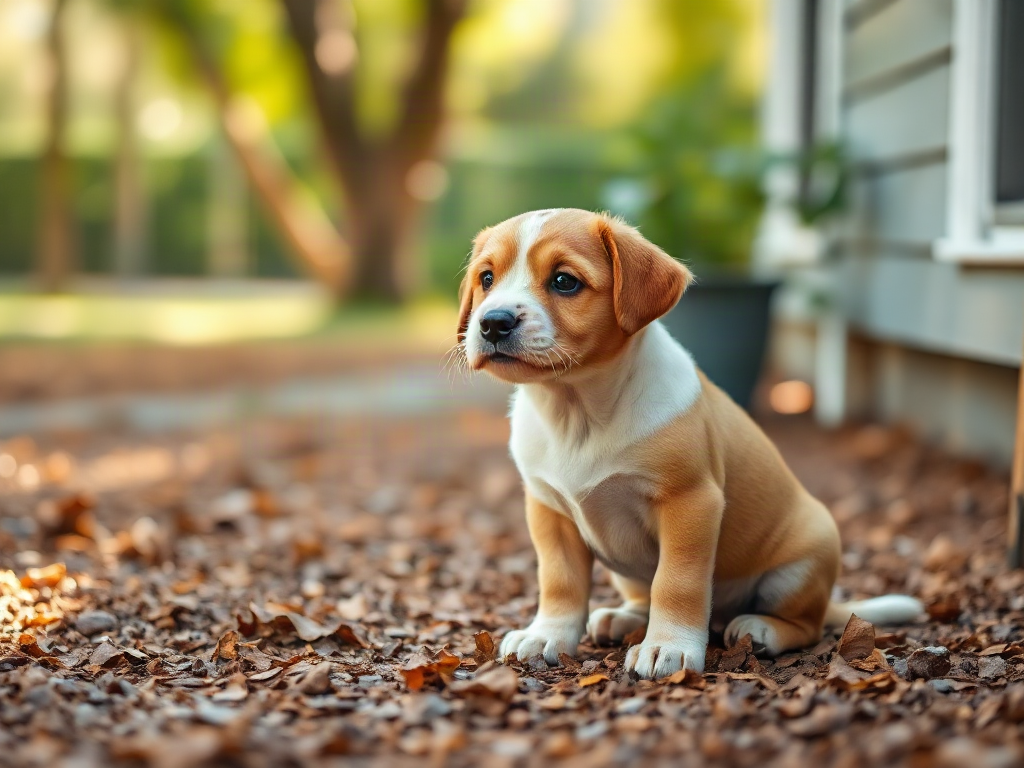
To stop a puppy from peeing indoors, supervise closely, schedule outdoor toilet trips around predictable bladder triggers, and reward outdoor urination immediately. Take the puppy out after waking, eating, drinking, vigorous play, and confinement rather than waiting for sniffing or circling. Indoors, use a leash, pen, or properly sized crate to prevent unsupervised wandering, and clean every accident with an enzymatic urine cleaner. Do not punish accidents, because punishment can create hiding without teaching where to go; contact a veterinarian if urination becomes unusually frequent, painful, difficult, bloody, or suddenly worse after prior progress.
Identify Why Indoor Accidents Keep Happening
Indoor urination usually persists because the puppy has an opportunity to empty its bladder before reaching the correct place. Young puppies have limited bladder control, become distracted easily, and do not automatically understand that the entire home is off-limits. A puppy that urinates outside once has not necessarily learned a household rule; it may simply have needed to go while it happened to be outdoors.
Look at the circumstances around each accident instead of treating every puddle as disobedience. Urination beside the door may mean the owner noticed the signal too late. A puddle during play often reflects excitement combined with a full bladder. Repeated accidents in a distant bedroom usually indicate too much access to the home. An accident shortly after an outdoor visit may occur because the puppy played outside without fully emptying its bladder.
A written accident log can expose patterns that memory misses. For several days, record when the puppy wakes, eats, drinks, plays, goes outside, urinates, and has an accident. Include the location and what happened immediately beforehand. If accidents repeatedly occur 15 minutes after energetic play or soon after a large drink, move the next outdoor trip ahead of that point. The purpose is not to force a rigid universal schedule but to identify the puppy’s actual rhythm.
Do not assume a puppy urinates indoors out of spite. Puppies do not connect a delayed reprimand with a puddle found later, and punishment after the fact cannot communicate the desired location. Even catching an accident in progress calls for a calm interruption, not intimidation. Move the puppy outside promptly, then reward if it finishes there.
House-training progress is rarely perfectly linear. Changes in food, water intake, activity, weather, household access, or daily scheduling can temporarily increase accidents. The useful question is whether the current setup consistently gets the puppy outside before its bladder is full. That diagnosis is the foundation of how to stop a puppy from peeing indoors without relying on punishment or guesswork.
Build Outdoor Trips Around Bladder Triggers
A workable toilet schedule follows biological events rather than convenient clock intervals alone. Waking, eating, drinking, active play, and leaving a crate or pen commonly create an immediate need to urinate. Take the puppy to the designated outdoor area directly after each trigger, even if the previous trip was fairly recent.
Carry a very young puppy when hallways, stairs, or elevators make the route slow. Otherwise, use a leash and walk directly to one quiet toilet area. Keep the outing calm and uneventful until the puppy urinates. A puppy given free play first may become distracted, then empty its bladder upon returning to the less stimulating indoor environment.
Use a simple sequence for each planned trip:
- Go to the same practical outdoor surface using a leash.
- Wait quietly and allow enough leash for sniffing without starting a game.
- Mark the completed urination with calm praise and deliver a small treat immediately.
- Offer a little supervised outdoor freedom afterward when conditions allow.
The order matters. Rewarding after returning indoors is less clear because the puppy may associate the treat with entering the home rather than urinating outside. Letting exploration follow urination can make prompt elimination worthwhile without turning every trip into a rushed return indoors. In severe weather, the outing may need to stay short, but the reward should still happen at the toilet location.
If the puppy does not urinate within a few quiet minutes, do not grant unrestricted indoor freedom. Return inside for a short period of close supervision or controlled confinement, then try again. This is more effective than remaining outdoors for a long, playful session and assuming the bladder must be empty. A puppy that comes inside and urinates five minutes later was not being deceptive; the outing failed to produce the behavior.
Fixed interval rules are only starting estimates. A small, very young, newly arrived, highly active, or recently hydrated puppy may need more frequent opportunities than an older puppy with an established pattern. Overnight capacity can differ from daytime capacity because the puppy is resting. Adjust the schedule from logged results: longer dry periods justify gradual extensions, while recurring accidents show that the interval or trigger response is too slow.
Prevent Accidents Through Active Supervision
Supervision works only when an adult can notice and act on early behavior. Being in the same room while working, cooking, or watching television may not be enough if the puppy can quietly leave. Useful supervision means knowing where the puppy is and being able to reach the exit before urination begins.
A lightweight leash attached to an attentive adult can keep the puppy nearby during active periods. A gated puppy-safe room or exercise pen provides a smaller managed area when direct observation is not possible. A crate may be appropriate for short, planned rest periods if it is introduced positively and sized so the puppy can stand, turn, and lie comfortably without having a large unused toilet corner.
Confinement is management, not a substitute for outdoor access. Leaving a puppy confined beyond its comfortable bladder capacity can force it to soil the area, weaken the natural preference for a clean sleeping space, and create distress. The crate should never be used as punishment after an accident. If the household schedule requires absences longer than the puppy can reasonably stay dry, arrange a toilet break or provide an appropriate temporary setup rather than expecting impossible control.
Watch for abrupt disengagement from play, intense floor sniffing, circling, pacing, moving toward a previously soiled spot, or wandering away from people. Some puppies give obvious signals; others pause for only a moment. Do not wait for a door signal unless that behavior has been separately taught and is reliable. The safer choice is to anticipate needs from the schedule while treating body language as an extra warning.
Freedom should expand according to demonstrated dryness, not age alone. Start with one easy-to-monitor area. After a sustained period without accidents and with successful outdoor trips, open another room while maintaining supervision. If puddles return, reduce access and shorten the interval between trips. This is not a training setback; it is information that the increase was premature.
A common failure is offering the whole home after several good days. Carpets, corners, guest rooms, and spaces behind furniture provide absorbent or hidden locations that can become repeat targets. Controlled access prevents rehearsal while the outdoor habit develops. For households seeking a more consistent setup, the core principles behind how to stop a puppy from peeing indoors are timely opportunities, observable behavior, and freedom earned in small increments.
Reward the Right Location and Clean Mistakes Properly
Immediate reinforcement tells the puppy which location produced the reward. Bring treats outside rather than leaving them by the indoor door. Deliver one small, appealing treat within a second or two after the puppy finishes urinating, along with brief praise. Rewarding too early can interrupt elimination; rewarding several minutes later blurs the connection.
A verbal toilet cue can become useful, but timing determines what it means. Say a short phrase quietly as the puppy begins to urinate, then reward after completion. Repetition can associate the phrase with the act. Repeating the cue before the puppy understands it, especially in an excited voice, may distract rather than help. The cue should not replace scheduling, supervision, or a suitable toilet area.
When an accident begins in front of you, interrupt gently with a neutral sound and move the puppy outside. If it finishes outdoors, reward that portion. Avoid shouting, rubbing the puppy’s nose in urine, or carrying it toward an old puddle. Harsh responses may teach the puppy to avoid urinating in front of people, which can produce hidden indoor accidents and reluctance to eliminate while leashed outside.
Cleanup must remove residual odor rather than merely improve how the floor smells to a person. Blot fresh urine, then use an enzymatic cleaner labeled for pet urine and compatible with the surface. Follow its contact-time and testing directions. Standard household sprays, fragrance, or steam alone may leave urine compounds behind; heat can also complicate cleaning on some materials. Block access until the area is dry.
Soft furnishings and carpet padding may require deeper treatment because urine can spread below the visible spot. A washable item should be cleaned according to its care label with a pet-urine product where appropriate. If the puppy repeatedly returns to one place despite cleaning, use a pet-safe ultraviolet urine detector if desired, restrict access, and reassess whether the contamination reached an underlayer.
Indoor pads involve a tradeoff. They can be practical where immediate outdoor access is impossible, but they teach that urinating on an indoor surface is sometimes acceptable. If the final goal is outdoor-only elimination, use one consistent pad location and transition deliberately rather than scattering pads throughout the home. Moving the pad gradually toward the exit and then to the outdoor surface may help, though some puppies need a renewed reward schedule outside.
Recognize When Urination May Need Veterinary Attention
Some changes in urination should not be treated as a house-training problem. Contact a veterinarian when a puppy urinates unusually often, repeatedly strains, passes only tiny amounts, cries during urination, produces bloody or unusually discolored urine, drinks markedly more than usual, appears lethargic, or suddenly loses previously reliable bladder control. Difficulty producing urine can require prompt professional attention.
The distinction often lies in the pattern. A puppy that urinates a normal amount after an owner misses a post-nap trip likely encountered a scheduling failure. A puppy that squats repeatedly over a short period and produces little urine may have discomfort or another physical problem. Behavior logs help here because they show whether frequency, volume, water intake, or urgency changed abruptly.
Excitement or submissive urination can also look different from an ordinary full-bladder accident. A puppy may release a small amount during an intense greeting, when someone bends over it, or when it feels socially pressured. More frequent outdoor trips can reduce bladder volume, but punishment is especially counterproductive. Keep greetings quiet, approach less directly, and allow the puppy to settle before close interaction. A veterinarian can help rule out physical causes, while an appropriately qualified behavior professional may help if the pattern persists.
Age alone should not be used to dismiss persistent trouble. Bladder capacity and learning rates vary, yet repeated accidents despite careful scheduling, close supervision, complete cleanup, and immediate outdoor rewards justify a veterinary discussion. Bring the accident log and note any changes in appetite, thirst, stool, sleep, medication, or activity. Concrete observations are more useful than saying the puppy is simply having accidents.
Training and medical assessment are not competing choices. Management protects the home and reinforces the desired location, while a veterinary examination addresses signs that training cannot explain. Continue offering calm, frequent toilet opportunities unless a veterinarian advises otherwise, but do not delay care while repeatedly tightening confinement around a puppy that appears uncomfortable.
Frequently Asked Questions
How often should I take my puppy outside to pee?
Use waking, meals, drinking, play, and release from confinement as automatic trip triggers. Add interim trips based on the puppy's accident log rather than relying on one age-based formula.
Why does my puppy pee indoors right after being outside?
The puppy may have been distracted and failed to empty its bladder. Use a leash in a quiet toilet area, postpone play until after urination, and supervise closely if no urination occurs.
Should I punish my puppy for peeing in the house?
No. Punishment does not explain the correct location and may encourage hidden urination. Interrupt only if you catch the act, move outside calmly, and reward any completion there.
Will a crate stop indoor accidents?
A properly introduced crate can prevent wandering during short rest periods, but it cannot replace timely toilet breaks. Excessive confinement may force soiling and undermine progress.
When should indoor urination prompt a veterinary visit?
Seek veterinary guidance for straining, pain, blood, repeated tiny urinations, increased thirst, lethargy, sudden regression, or accidents that persist despite careful management.
Conclusion
Reliable house-training comes from arranging the day so the puppy repeatedly reaches an appropriate outdoor surface before its bladder is full. Track the events surrounding accidents, take the puppy out after predictable triggers, and keep indoor access small enough to supervise effectively. Reward completed outdoor urination on the spot, then allow freedom to expand only after the puppy demonstrates consistent dryness.
Clean every accident with a surface-appropriate enzymatic product and treat a mistake as scheduling information rather than misconduct. If progress stalls, shorten the interval between trips and check whether distractions, excessive freedom, or incomplete cleanup are sustaining the pattern. Pain, straining, blood, frequent small urinations, increased thirst, or abrupt regression calls for veterinary input instead of stricter confinement. The next practical step is to begin a three-day log and adjust outdoor trips from the pattern it reveals.