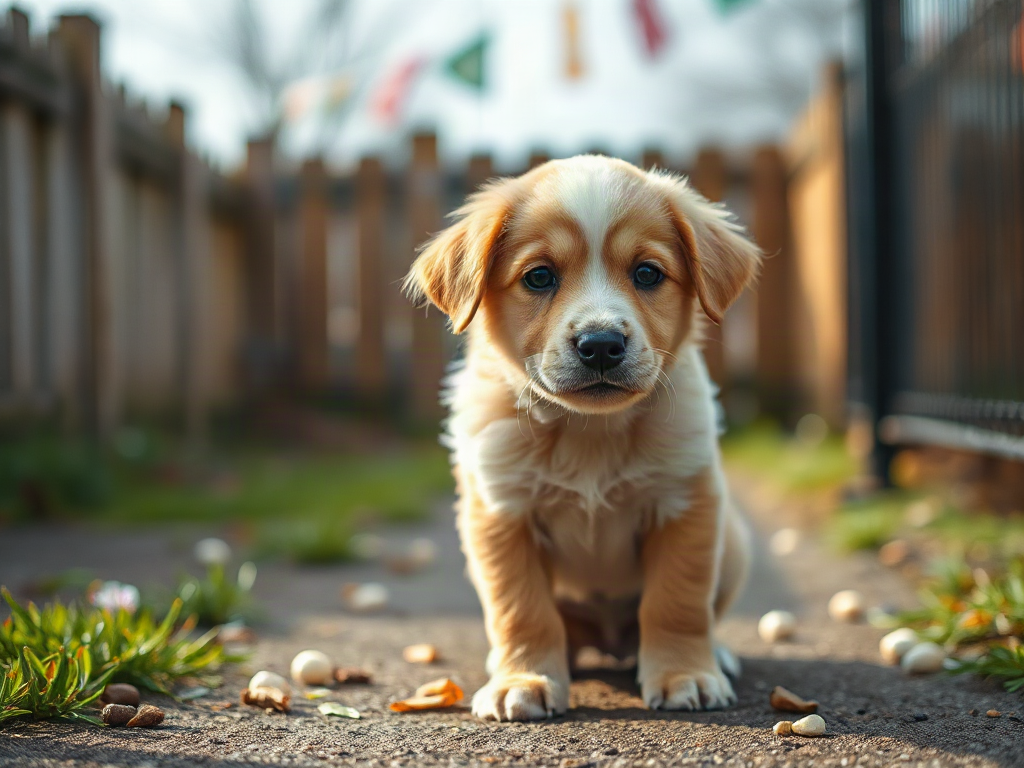
Help a puppy with potty training regression by first ruling out urinary or digestive illness, then temporarily returning to a tightly supervised bathroom schedule with immediate outdoor rewards. Take the puppy out after waking, eating, drinking, play, and confinement, while limiting unsupervised access indoors and cleaning accidents with an enzymatic cleaner. Avoid punishment, which may teach the puppy to hide elimination rather than improve bladder control. Track accident timing and symptoms for several days; frequent urination, straining, diarrhea, unusual thirst, pain, or a sudden unexplained change warrants prompt veterinary guidance.
Identify Why Previously Reliable Habits Changed
Potty training regression usually reflects a change in health, routine, supervision, environment, or expectations rather than deliberate misbehavior. A puppy that had several dry weeks may still have immature bladder control and an incomplete understanding of where elimination is allowed. Reliability in one room, on one schedule, or with one person does not automatically transfer to every setting.
Start by comparing the days before and after the first new accident. Look for later wake-up times, longer gaps between outdoor trips, a food change, increased water intake, bad weather, houseguests, travel, boarding, a move, or access to unfamiliar rooms. A puppy may also regress during a growth phase because play becomes more absorbing and early bathroom signals are easier to miss. If the puppy recently began roaming upstairs, for example, the distance to the exit may now exceed the time available after the urge appears.
Location and timing provide useful clues. Accidents near the door can mean the puppy recognized the need but was not taken out quickly enough. Urination during greetings may be excitement-related rather than a house-training lapse. A wet sleeping area, repeated tiny urinations, or accidents shortly after a successful outdoor trip deserve closer attention because those patterns are less easily explained by a loose schedule. Stool accidents after a diet change or alongside diarrhea point toward digestive urgency rather than forgotten training.
Create a short record instead of relying on memory. For three to five days, note meals, drinks, naps, play sessions, outdoor trips, successful elimination, and accidents. Record what the puppy did immediately beforehand and whether the accident involved a normal amount, dribbling, soft stool, or straining. This log can reveal that accidents consistently occur 20 minutes after breakfast or near the end of an energetic play period.
A common mistake is assuming that a puppy who was accident-free for a week is fully trained. Short-term success often means the household schedule was working, not that the puppy could independently manage every urge. Treat regression as information: determine whether the schedule stopped matching the puppy’s needs before adding commands, changing rewards, or blaming stubbornness. That diagnostic approach is central to how to help puppy with potty training regression without creating fear or confusion.
Rebuild the Bathroom Schedule Around Predictable Triggers
A temporary return to a beginner-level schedule gives the puppy more chances to succeed and prevents indoor repetition. Take the puppy to the designated outdoor area after waking, meals, substantial drinks, vigorous play, training sessions, and time in a crate or pen. Young puppies may also need additional trips between those events; the correct interval is the one that remains shorter than the puppy’s current accident pattern.
Use the record from the previous section to set the initial timing. If accidents tend to happen every 90 minutes while the puppy is awake, begin with trips well before that point rather than testing whether the puppy can hold it longer. Extend the interval gradually only after several dry days. Trying to stretch bladder capacity during a regression often produces more indoor practice and makes the pattern harder to reverse.
Keep each bathroom trip simple. Go to the same practical area, stand quietly, and allow enough time for sniffing without turning the outing into immediate play. When the puppy finishes, mark the moment with calm praise and deliver a small reward outdoors within a few seconds. Rewarding after returning to the kitchen weakens the connection between eliminating outside and earning the treat. A brief walk or supervised play afterward can provide another benefit: the puppy learns that going promptly does not always end outdoor time.
If nothing happens, bring the puppy inside under direct supervision or place the puppy in an appropriately sized crate or pen for a short interval, then try again. Do not grant free access to the house after an unproductive trip when the puppy is overdue. The contrast is practical rather than punitive: outdoor elimination earns freedom, while an uncertain bladder calls for closer management.
A workable reset sequence is:
- Anticipate: Schedule trips before the puppy’s usual accident window and after known triggers.
- Observe: Watch for sudden sniffing, circling, wandering away, pausing play, or moving toward an exit.
- Reward: Reinforce elimination immediately in the approved location.
- Reassess: Shorten the interval if an accident occurs before the next planned trip.
Bad weather introduces a real constraint. Some puppies hesitate on wet grass, snow, or windy patios and then eliminate as soon as they return indoors. Use a sheltered outdoor spot when possible, keep the trip calm, and reward successful toileting generously. Repeatedly switching between outdoor grass and indoor pads can slow location learning unless an indoor toilet is an intentional long-term choice. Consistency of surface and location is usually clearer than offering several temporary alternatives.
Manage Indoor Freedom and Respond to Accidents Correctly
Indoor access should match demonstrated reliability, not the puppy’s age or previous best streak. During a regression, keep the puppy in the same room as an attentive adult, use a lightweight tether only under active supervision, or provide a safe pen or properly introduced crate when direct observation is impossible. Management prevents the puppy from repeatedly choosing absorbent rugs, hidden corners, or distant rooms.
A crate can support a reset because many puppies avoid soiling an appropriately sized sleeping space, but it cannot compensate for overly long confinement. The puppy should be able to stand, turn, and lie comfortably without having a large unused toilet corner. If accidents occur in the crate, consider whether the interval is too long, the crate is oversized, bedding has become an appealing absorbent surface, or the puppy has a medical or digestive problem. Removing water for long periods is not an appropriate shortcut; access and timing concerns should be discussed with a veterinarian, particularly in hot weather or when thirst has changed.
When you catch an accident beginning, interrupt gently without shouting, startling, or grabbing harshly. Move the puppy outside and reward if elimination finishes there. If the accident is discovered later, clean it without involving the puppy. Delayed scolding cannot communicate which earlier action was wrong. Punishment may instead cause the puppy to avoid eliminating in front of people, including outdoors, and to seek concealed indoor locations.
Use an enzymatic pet-odor cleaner suited to the affected material and follow its label directions. Ordinary household cleaners may remove the odor for people while leaving scent traces a dog can detect. Avoid steam-cleaning urine before treating the area because heat may set odor into some carpet fibers. Block access to repeatedly soiled locations while the area is cleaned and the new routine takes hold.
Freedom should return in small increments. After a stable stretch without accidents, open one additional room while maintaining supervision and the bathroom schedule. If accidents resume, reduce the area and shorten the trip interval rather than changing several variables at once. A puppy reliable in the kitchen may not understand that the guest room follows the same rule, especially if it contains a soft rug resembling a pad.
Households with several caregivers need one shared plan. Agree on the exit, cue, reward, schedule, and method for recording trips. A vague statement such as “someone took the puppy out recently” creates preventable gaps. A note on the refrigerator or a shared phone log makes how to help puppy with potty training regression an observable household process rather than a guessing contest.
Measure Progress and Know When to Call a Veterinarian
Progress is best measured by longer dry periods, more outdoor successes, clearer signaling, and fewer management interventions—not by expecting an immediate return to perfect reliability. A useful plan produces a visible trend over several days. The puppy begins eliminating promptly in the designated area, accidents cluster less often, and supervised freedom can be expanded without setbacks.
One isolated accident after a disrupted day does not necessarily mean the reset failed. Several accidents under the same conditions do mean the plan needs adjustment. Shorten the interval, identify the preceding trigger, and check whether rewards were delivered outdoors. If the puppy urinates inside ten minutes after an outdoor visit, consider whether the outing was too distracting, whether the puppy only partially emptied the bladder, or whether abnormal urinary frequency is developing.
Medical causes should move to the top of the list when regression is abrupt, pronounced, or accompanied by physical changes. Contact a veterinarian promptly if the puppy strains, cries, produces frequent small amounts of urine, has blood in urine or stool, develops vomiting or diarrhea, drinks noticeably more, seems lethargic, licks the urinary area repeatedly, or loses bladder control while resting. An inability to urinate, marked weakness, severe pain, or repeated vomiting may require urgent care. Training adjustments cannot resolve an infection, parasites, inflammation, or another health condition.
Bring the timing log and, if requested by the clinic, a properly collected sample. Note recent food changes, medications, supplements, boarding, stressful events, and changes in thirst or appetite. These details help distinguish a behavior pattern from a health concern without assuming a diagnosis at home. Even when the veterinary examination is reassuring, it establishes that a schedule reset is a reasonable focus.
Seek qualified training help if the puppy appears frightened of eliminating near people, refuses the outdoor surface, guards during handling, or continues having accidents despite consistent management and medical clearance. Choose a trainer who uses reward-based methods and can observe the home setup, route to the exit, outdoor location, and caregiver timing. Remote advice may miss a slippery stairway, noisy elevator, intimidating dog next door, or other obstacle that delays the puppy.
The weakest approach is waiting for the puppy to “grow out of it” while accidents continue. Maturation can increase physical capacity, but it does not teach location preference or repair a confusing routine. The strongest next decision is based on evidence: tighten the schedule when timing is the issue, modify the environment when access is the issue, and involve a veterinarian when symptoms or an unexplained sudden change suggest more than training.
Frequently Asked Questions
How long does potty training regression usually last?
A mild schedule-related setback may improve within several consistent days, but duration varies with the cause, the puppy’s age, and how often accidents are rehearsed. Lack of improvement or physical symptoms warrants veterinary guidance.
Should I punish my puppy for suddenly having accidents?
No. Punishment can make a puppy hide elimination or become reluctant to toilet near you. Interrupt only if you witness the accident, move outside calmly, and reward completion in the correct place.
Should I use puppy pads during a regression?
Use pads when an indoor toilet is a necessary, intentional option. If the goal is outdoor-only elimination, adding pads temporarily may blur the surface rule and is usually less clear than increasing outdoor trips.
Why does my puppy urinate inside after going outside?
Distraction, incomplete emptying, a rushed outing, or abnormal urinary frequency may be responsible. Try a quiet toilet trip followed by immediate reinforcement, and consult a veterinarian if the pattern repeats or includes straining or tiny amounts.
When should my puppy earn more freedom in the house?
Expand access after a sustained dry period with prompt outdoor elimination and reliable supervision. Add one area at a time; renewed accidents indicate that the space or interval increased too quickly.
Conclusion
A regression calls for investigation before correction. Compare the puppy’s current routine with the period when accidents were rare, record the timing and character of each event, and restore frequent trips around waking, meals, drinks, play, and confinement. Pair outdoor elimination with immediate reinforcement while using supervision, a pen, or an appropriately introduced crate to prevent hidden indoor practice.
Judge the reset by trends rather than one perfect day. Gradually return freedom only after the puppy remains dry in the current area, and tighten management if accidents recur. Sudden changes, repeated small urinations, straining, altered thirst, digestive symptoms, pain, or lethargy should shift the next step from training experiments to veterinary evaluation. Once health concerns are addressed, a consistent household schedule provides the clearest route back to reliable habits.