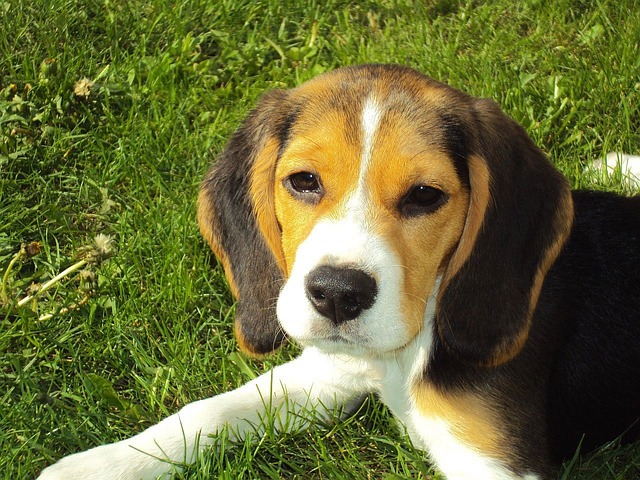
Training a puppy to ride calmly in a car requires a combination of patience, proper preparation, and understanding of your pet’s needs. Puppies can experience anxiety due to the unfamiliar environment, sounds, and sensations that come with car travel. To help your puppy adjust, create a safe and positive experience by starting with short trips and gradually increasing the duration.
One common mistake is to expect a puppy to adapt immediately to car rides. Instead, it’s crucial to recognize that each puppy is unique, and their comfort levels will vary. Many puppies may feel anxious or restless, especially if they associate car rides with visits to the vet or other stressful experiences. Therefore, building a positive association with the car is essential for successful training.
Creating a Comfortable Space
To ensure a calm car ride, begin by creating a comfortable space for your puppy. This can be achieved by using a crate or a dog seatbelt to secure your puppy safely. A familiar blanket or toy can help your puppy feel more at ease. Additionally, ensure the car temperature is comfortable, as extreme heat or cold can add to your puppy’s stress.
Many owners overlook the importance of a secure environment. A loose puppy can become a distraction while driving, creating safety hazards for both the pet and the driver. Therefore, investing in a proper restraint system is crucial. This not only keeps your puppy safe but also helps them associate the car with security rather than anxiety.
Gradual Exposure to Car Rides
Start by introducing your puppy to the car while it is stationary. Allow them to explore the car and become familiar with the environment. Gradually introduce short trips around the block, progressively increasing the distance as your puppy becomes more comfortable. This gradual exposure helps reduce anxiety and builds positive experiences.
One common pitfall is rushing the process. Puppies need time to adapt, so be patient and attentive to their reactions. If your puppy shows signs of distress, such as whining or panting, it may be necessary to take a step back and repeat earlier stages of the training.
Positive Reinforcement Techniques
Using positive reinforcement is essential in training your puppy to ride calmly in the car. Reward your puppy with treats, praise, or toys when they display calm behavior during car rides. This encourages them to associate car travel with positive outcomes, which can significantly reduce anxiety over time.
Many owners fail to realize that rewards should be given at the right moment. Timing is critical; offer the reward immediately when your puppy exhibits calm behavior. This reinforces the desired behavior effectively. Be consistent with rewards during each ride to help solidify their understanding.
Safety Considerations for Car Travel
Safety should always be a priority when traveling with your puppy. Ensure that your puppy is secured in a crate or with a harness designed for car travel. Additionally, never leave your puppy alone in a parked car, as temperatures can rise quickly, leading to heatstroke.
Many owners underestimate the dangers of unrestrained pets. In the event of sudden braking, an unrestrained puppy can become a projectile, risking injury to themselves and passengers. Therefore, securing your puppy not only promotes calmness but is also a critical safety measure.
Frequently Asked Questions
How can I tell if my puppy is anxious in the car?
Signs of anxiety in your puppy may include whining, panting, pacing, or attempting to escape. Observing these behaviors can help you identify when your puppy is uncomfortable.
What should I do if my puppy vomits in the car?
If your puppy vomits, it’s essential to clean the area promptly and assess whether they may have motion sickness. Gradually acclimatizing them to the car can help reduce this issue.
Is it safe for my puppy to ride in the front seat?
It is generally safer for your puppy to ride in the back seat, as airbags can pose a risk in the front seat. Always secure your puppy in a manner that prioritizes safety.
How long should I wait before taking my puppy on a long trip?
It’s advisable to wait until your puppy is comfortable with short trips before attempting longer journeys, typically a few weeks of gradual training should suffice.
What if my puppy refuses to get into the car?
If your puppy refuses to enter the car, try enticing them with treats or toys. Gradually encourage them to explore the car while it’s stationary before attempting to drive.
Conclusion
Training your puppy to ride calmly in a car is crucial for safe and enjoyable travel experiences. By creating a comfortable environment, exposing them gradually to car rides, and using positive reinforcement, you can help alleviate anxiety and promote calm behavior. Remember to prioritize safety by securing your puppy properly and being patient throughout the training process. With consistent effort, your puppy will soon enjoy car rides as much as you do.