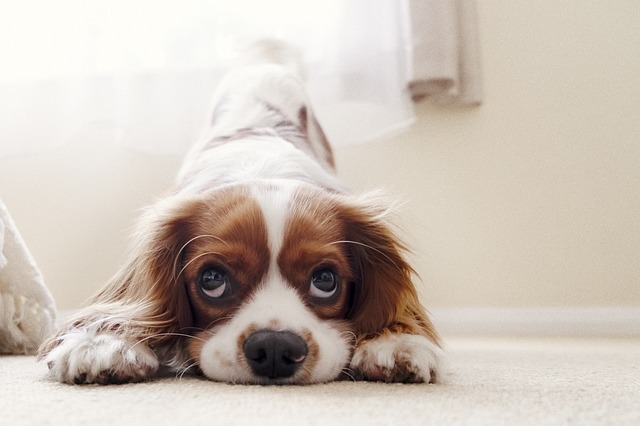
To teach your puppy to be alone calmly, start by gradually increasing the time they spend alone in a safe space. The primary challenge is helping them feel secure and comfortable without your presence. Focus on creating a positive environment with toys and comfort items, and ensure they associate your departures with good experiences. This process can take time, so patience and consistency are essential.
Many puppies experience anxiety when left alone, which can lead to destructive behaviors or excessive barking. Understanding the root cause of this anxiety is crucial. Puppies are social animals that thrive on companionship, and sudden changes in their routine can trigger stress. By introducing alone time gradually and positively, you can help your puppy build confidence and learn that being alone is not a negative experience.
Understanding Puppy Separation Anxiety
Puppy separation anxiety is a common issue where dogs become distressed when left alone. This anxiety can manifest in various ways, including barking, whining, chewing, or even destructive behavior. Recognizing the signs early is critical to prevent these behaviors from developing into more serious issues.
To address separation anxiety, it’s essential to identify the triggers that cause your puppy to feel anxious. These can range from changes in routine to the absence of specific family members. By understanding your puppy’s unique triggers, you can tailor your training approach to address their specific needs.
Creating a Comfortable Alone Space
Establishing a safe and comfortable space for your puppy is vital for their training. This space should be free from hazards and equipped with their favorite toys, a cozy bed, and access to water. A crate can also serve as a secure place if introduced correctly.
When creating this space, consider your puppy’s comfort and security. Use familiar items that carry their scent, as this can help alleviate anxiety. The goal is to make this area a positive and inviting environment where your puppy feels safe when alone.
Gradual Alone Time Training
Start by leaving your puppy alone for short periods, gradually increasing the duration as they become more comfortable. Begin with just a few minutes and slowly extend the time as your puppy shows signs of relaxation. This gradual approach allows them to adjust to being alone without overwhelming them.
During training, monitor your puppy’s behavior. If they exhibit signs of distress, reduce the time you leave them alone and try again later. Consistency and patience are key to helping your puppy learn that being alone is part of their routine.
Positive Reinforcement Techniques
Incorporating positive reinforcement into your training can significantly enhance its effectiveness. Reward your puppy with treats, praise, or playtime when they remain calm during alone time. This reinforces the idea that being alone is a positive experience.
It’s essential to avoid punishing your puppy for anxious behaviors, as this can exacerbate their anxiety. Instead, focus on rewarding calm behavior and gradually increasing their alone time as they become more comfortable.
Frequently Asked Questions
What are the signs of separation anxiety in puppies?
Signs of separation anxiety in puppies include excessive barking, whining, chewing furniture, and other destructive behaviors when left alone.
How long can a puppy be left alone?
Generally, puppies can be left alone for about one hour for each month of their age, up to a maximum of 4-6 hours for adult dogs.
Can crate training help with separation anxiety?
Yes, crate training can help provide a safe space for your puppy, but it should be introduced gradually to avoid increasing anxiety.
What should I do if my puppy cries when I leave?
If your puppy cries when you leave, try reducing the duration of your departures and gradually increasing the time they are alone. Provide distractions like toys.
Is it normal for puppies to be anxious when left alone?
Yes, it is normal for puppies to experience some anxiety when left alone, as they are social animals. Training can help reduce this anxiety.
Conclusion
Teaching your puppy to be alone calmly is a gradual process that requires patience and understanding. By creating a secure environment, introducing alone time slowly, and using positive reinforcement, you can help your puppy learn to feel comfortable when left alone. Prioritize consistency in your training methods, and remember that every puppy is unique; adjust your approach based on their individual needs. With time and effort, your puppy will develop the confidence to enjoy their time alone.