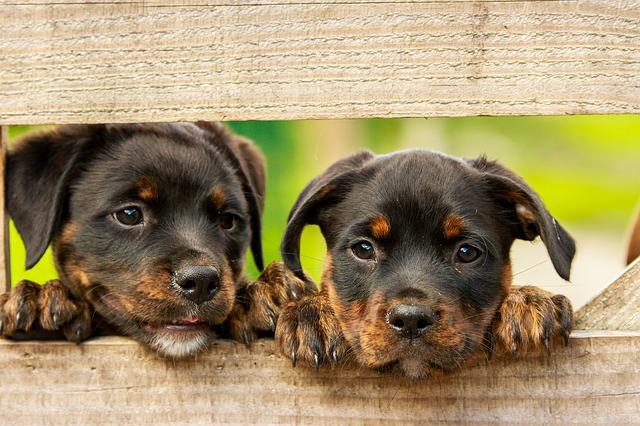
Training your puppy to greet calmly is crucial for fostering positive interactions with guests and other pets. A calm greeting helps prevent jumping, barking, and other excited behaviors that can be overwhelming for both your puppy and the person being greeted. The key to achieving this lies in consistency and positive reinforcement.
One common mistake pet owners make is allowing their puppies to greet without any structure, leading to chaotic encounters filled with excitement. This can reinforce undesirable behaviors, making it harder for your puppy to learn the appropriate way to greet. Instead, prioritize establishing a routine that encourages calmness before meeting new people.
Understanding Your Puppy’s Behavior
Puppies are naturally energetic and curious, which can lead to excited behaviors when they meet new people. Understanding the triggers for this excitement is crucial in addressing it effectively. Typically, the anticipation of social interactions can cause a puppy to jump or bark, seeking attention and affection from the person they are greeting.
Recognizing these behaviors early allows you to intervene and redirect your puppy’s energy. For instance, when you notice your puppy getting overly excited, it’s essential to implement calming techniques before the greeting occurs. This proactive approach sets the stage for a more relaxed interaction.
Establishing a Calm Greeting Routine
To train your puppy to greet calmly, begin by creating a structured routine. Start by teaching your puppy to sit or stay before they can greet anyone. This ensures they are focused and calm before the interaction. Use a leash during the training process to maintain control and prevent jumping.
When a guest arrives, ask your puppy to sit and wait until they are calm before allowing them to approach. If your puppy remains calm, reward them with treats and praise. This reinforces the idea that calm behavior leads to positive outcomes. Consistency in this routine is key; practice during various situations to help your puppy generalize the behavior.
Common Mistakes to Avoid
One of the most frequent errors pet owners make is inadvertently rewarding excited behavior. For example, if you give attention to your puppy when they jump or bark, they learn that these behaviors are effective in getting what they want. Instead, only reward calm behavior to create a clear distinction between acceptable and unacceptable actions.
Another mistake is failing to set boundaries. Allowing your puppy to greet without any commands can lead to confusion and reinforce chaotic behavior. Establishing clear expectations before greetings will help your puppy understand what is required of them.
Reinforcing Calm Behavior
Positive reinforcement is a powerful tool in training your puppy. Whenever your puppy greets calmly, ensure you reward them immediately with treats, praise, or affection. This connection between calm behavior and positive outcomes strengthens their understanding of what is expected.
Additionally, practice makes perfect. Regularly expose your puppy to different people and environments where they can practice their calm greeting skills. The more opportunities they have to learn and succeed, the more natural it will become for them to greet calmly.
Frequently Asked Questions
How long does it take to train a puppy to greet calmly?
Training duration varies by puppy, but with consistent practice, most puppies can learn to greet calmly within a few weeks.
What if my puppy continues to jump when greeting?
If your puppy jumps, calmly redirect them back to a sit position and only reward calm behavior. Consistency is crucial.
Can I train my puppy to greet calmly alone?
While you can start training alone, having friends or family help simulate greetings can provide essential practice in real situations.
Should I use treats during training?
Yes, treats are an effective way to reinforce calm behavior during training, helping your puppy associate calm greetings with positive outcomes.
Is it too late to train my puppy to greet calmly?
No, it’s never too late to train a puppy. With patience and consistency, even older puppies can learn to greet calmly.
Conclusion
Training your puppy to greet calmly is not only beneficial for your dog’s behavior but also enhances social interactions. Focus on establishing a clear routine, reinforcing calm behavior, and avoiding common mistakes. The more consistent and patient you are, the more successful your training will be. Remember, a calm greeting sets the tone for positive interactions and helps your puppy grow into a well-mannered companion.