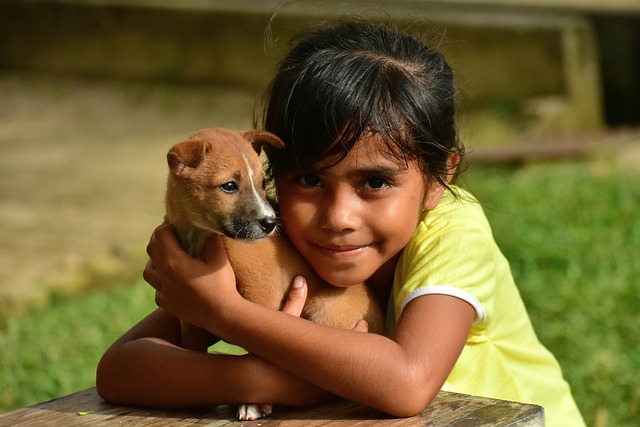
Teaching your puppy gentle play behavior is essential for fostering a safe and enjoyable environment for both your pet and those around it. This involves training your puppy to understand appropriate play styles, promoting calm interactions, and discouraging rough or aggressive behavior. By implementing positive reinforcement techniques, you can effectively guide your puppy towards more gentle play habits.
One common mistake many owners make is allowing rough play to escalate, which can reinforce aggressive tendencies. Instead, focus on redirecting your puppy’s energy towards more suitable toys or activities. It’s important to remain patient and consistent, as puppies are still learning how to interact with their environment and other animals. Establishing clear boundaries will help your puppy understand what is acceptable behavior during playtime.
Understanding Gentle Play Behavior
Gentle play behavior involves interactions that are safe and enjoyable for both the puppy and its playmates. This includes soft mouthing, controlled movements, and an overall calm demeanor during playtime. Recognizing the difference between playful behavior and aggression is crucial for effective training. Puppies often express excitement through nipping and roughhousing, but these behaviors need to be managed to prevent future issues.
To promote gentle play, observe your puppy’s body language. Signs of overstimulation, such as excessive barking or lunging, indicate that it may be time to take a break. Redirecting their focus to a toy or engaging them in a quieter activity can help reinforce the idea of gentle play. Consistent monitoring and intervention are key to establishing this behavior.
Techniques for Teaching Gentle Play
Implementing specific techniques can effectively teach your puppy to engage in gentle play. Start by using positive reinforcement, such as treats or praise, whenever your puppy plays gently. This encourages them to repeat the behavior in the future. Additionally, using toys that promote gentle interaction, like soft plush toys, can help facilitate calm play.
Another effective method is to establish a playtime routine that includes short, structured play sessions followed by periods of calm. This helps your puppy understand the balance between excitement and relaxation. If your puppy becomes too rambunctious, immediately stop the play session and wait for them to calm down before resuming. This teaches them the consequences of rough play while also reinforcing the desired behavior.
Common Mistakes to Avoid
One major pitfall in teaching gentle play is inconsistency. If you allow rough play at times, your puppy may become confused about what is acceptable behavior. It’s essential to maintain a consistent approach by setting clear boundaries and sticking to them. Another mistake is failing to recognize signs of overstimulation. Ignoring these signals can lead to aggressive behavior, so always be vigilant during playtime.
Additionally, avoid using physical punishment as a correction method. This can create fear and anxiety, leading to more behavioral issues. Instead, focus on redirecting your puppy’s energy towards positive outlets. By fostering a supportive and understanding environment, you can effectively guide your puppy towards gentle play behavior.
Frequently Asked Questions
What is gentle play behavior in puppies?
Gentle play behavior involves calm interactions, such as soft mouthing and controlled movements, ensuring safety for all participants.
How can I encourage gentle play in my puppy?
Use positive reinforcement techniques, such as treats and praise, and redirect rough play to appropriate toys or activities.
What should I do if my puppy plays too roughly?
If your puppy plays too roughly, stop the play session immediately and wait for them to calm down before resuming.
Can I use toys to promote gentle play?
Yes, using soft toys designed for gentle interaction can help encourage calm play behavior in your puppy.
What are the signs of overstimulation in puppies?
Signs of overstimulation include excessive barking, lunging, or inability to focus, indicating it’s time to take a break.
Conclusion
Teaching your puppy gentle play behavior is vital for ensuring enjoyable interactions and preventing aggressive tendencies. Focus on positive reinforcement, redirecting rough play, and maintaining consistency in your training approach. By observing your puppy’s body language and establishing clear boundaries, you can foster a safe and engaging play environment. Remember to be patient and persistent, as developing gentle play habits takes time and practice.