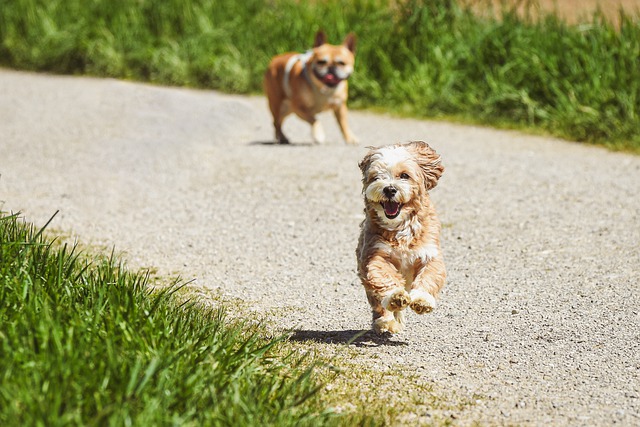
Training your puppy to remain in the yard is essential for their safety and your peace of mind. Begin by establishing clear boundaries within your yard, utilizing positive reinforcement techniques to encourage your puppy to stay within those limits. Puppies are naturally curious and may wander off if they do not understand their boundaries, making consistent training and supervision crucial.
Start by walking your puppy around the perimeter of your yard while keeping them on a leash. Use treats and praise to reward your puppy when they explore the yard without attempting to leave. Gradually, allow them to roam free while monitoring their behavior closely. If they attempt to stray outside the boundaries, correct them gently and guide them back, rewarding them once they comply. This method not only teaches them where they can go but also strengthens your bond.
Understanding Boundaries
Establishing clear boundaries is the first step in training your puppy to stay in the yard. This involves teaching them about the limits of their play area and ensuring they recognize these boundaries. While it may take time for your puppy to understand where they can and cannot go, consistent training will help them learn. Puppies often wander out of curiosity, so it’s important to make sure they are aware of their designated play area.
To effectively instill these boundaries, consider using visual markers such as flags or cones. Walk your puppy around the perimeter while reinforcing the idea of staying within these limits. Over time, they will begin to associate these visual cues with the boundaries of their play area.
Using Positive Reinforcement
Positive reinforcement is a powerful tool when training your puppy. This method involves rewarding desired behaviors to encourage them to repeat those actions. When your puppy stays within the yard, offer treats, praise, or playtime as a reward. This not only reinforces good behavior but also helps build a trusting relationship between you and your puppy.
Be consistent with your rewards. If your puppy stays within the yard boundaries, immediately reward them to create a positive association. This approach can help reduce the likelihood of them wandering off, as they learn that staying within the yard results in positive experiences.
Establishing Physical Barriers
In addition to training, establishing physical barriers can be an effective way to keep your puppy safe. Fencing is a common solution, providing a clear boundary that your puppy can see and understand. Ensure that the fence is tall enough to prevent jumping and secure enough to deter digging or squeezing through gaps.
If a fence is not an option, consider using a leash or long line during training sessions. This allows your puppy to explore while still giving you control over their movements. Always supervise your puppy when they are outside, especially during the initial training phases.
Common Mistakes to Avoid
When training your puppy to stay in the yard, there are several common mistakes to avoid. One of the biggest pitfalls is inconsistency in training. If you allow your puppy to wander on some days but correct them on others, it can create confusion and hinder their learning process. Always enforce the same rules to help them understand what is expected.
Another mistake is failing to supervise your puppy during outdoor play. Even with training, puppies can be unpredictable, so keeping an eye on them is crucial to reinforce boundaries and prevent wandering. In closing, avoid using negative reinforcement or punishment, as this can damage your relationship with your puppy and lead to anxiety or fear.
Frequently Asked Questions
What age can I start training my puppy to stay in the yard?
You can start training your puppy as soon as you bring them home, typically around 8 weeks old.
How long will it take for my puppy to learn?
Consistency is key; some puppies may take weeks to understand boundaries, while others may learn more quickly.
Can I use a shock collar for training?
It’s generally not recommended to use shock collars, as positive reinforcement is more effective and fosters a better relationship.
What if my puppy doesn’t respond to treats?
Try different types of rewards, such as toys or praise, to find what motivates your puppy best.
Is it safe to let my puppy outside unsupervised?
It is not safe to leave your puppy outside unsupervised until they are well-trained and understand yard boundaries.
Conclusion
Training your puppy to stay in the yard is a vital aspect of ensuring their safety and your peace of mind. By establishing clear boundaries, using positive reinforcement, and maintaining supervision, you can effectively teach your puppy where they can play freely. Remember to be consistent in your training approach and avoid common mistakes that may confuse your puppy. With patience and dedication, your puppy will learn to enjoy their outdoor space safely.