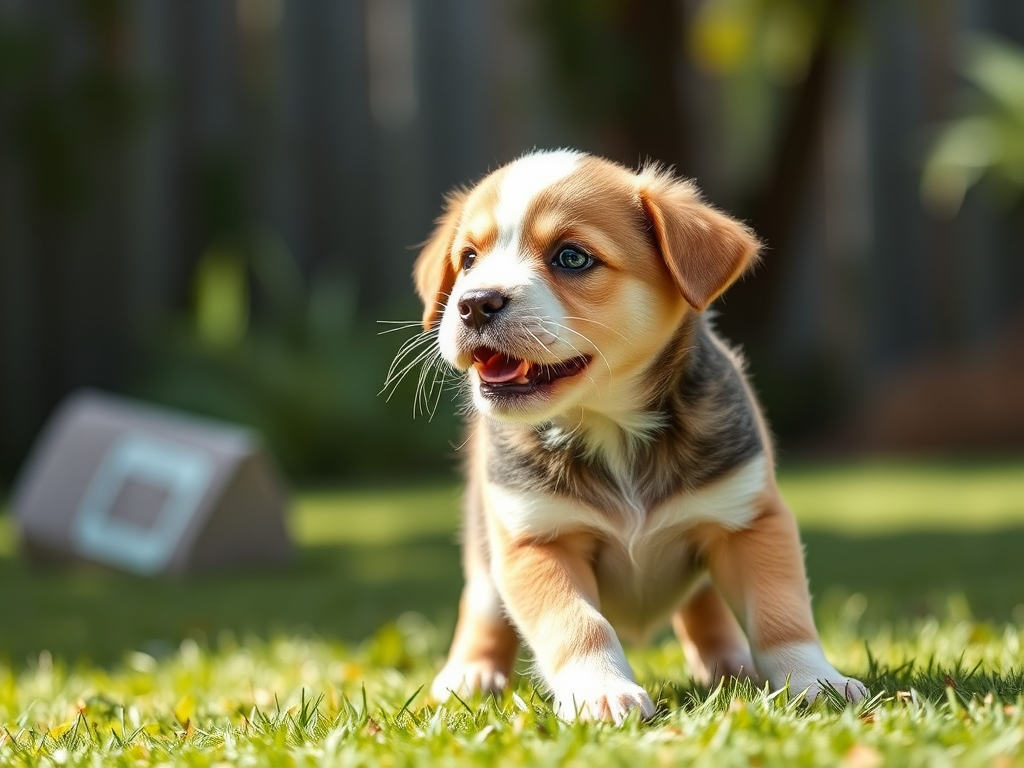
To manage a puppy that is overly playful during training, establish clear boundaries and incorporate structured play sessions into training. Use short, focused training periods to maintain your puppy's attention and reward calm behavior. It's essential to recognize the triggers for excessive playfulness, which can include distractions or overstimulation, and to gradually increase training difficulty as your puppy learns to focus. Consistency and patience in reinforcing desired behaviors will help your puppy develop better self-control during training.
Understanding Playfulness in Puppies
Playfulness is a natural behavior in puppies, often linked to their developmental stage and socialization needs. During training, an overly playful puppy may struggle to focus on commands, leading to frustration for both the owner and the pet. This behavior is often driven by a combination of energy levels, the need for social interaction, and the inherent curiosity of young dogs. Recognizing that play is a vital part of a puppy’s learning process can help owners adjust their training strategies accordingly.
In essence, a playful puppy is not necessarily misbehaving; rather, it is expressing its natural instincts. Understanding this can shift the focus from reprimanding the puppy to finding effective ways to channel that energy into productive training. Owners should aim to create a balance between play and discipline, ensuring that training sessions remain engaging yet focused.
Establishing Effective Boundaries
Setting clear boundaries is crucial when dealing with a playful puppy during training sessions. This involves defining specific behaviors that are acceptable and those that are not. For instance, if jumping or barking is disruptive, it’s essential to communicate that these behaviors are not acceptable during training. Establishing boundaries can be done through consistent commands, hand signals, or even physical barriers when necessary.
One effective method is to use a ‘calm’ command, which signals to the puppy that it needs to settle down. Reinforcing this command with positive reinforcement, such as treats or praise when the puppy exhibits calm behavior, can gradually help it learn to control its excitement. Additionally, using a leash during training can help keep the puppy focused and prevent it from wandering off during sessions.
Incorporating Structured Play into Training
Integrating structured play into training can be an effective way to manage a puppy’s energy levels while still focusing on learning. This approach involves scheduling specific play sessions that are interspersed with training activities. For example, after a short training period, allow the puppy to engage in a brief play session with a toy or a game of fetch.
This method not only provides a reward for the puppy’s efforts during training but also helps to release pent-up energy that might otherwise manifest as excessive playfulness. The key is to keep these play sessions short and controlled to prevent them from becoming the main focus. This balance can help the puppy associate training with positive experiences while still learning to maintain focus.
Recognizing Triggers for Excessive Play
Understanding what triggers excessive playfulness in puppies is essential for managing their behavior during training. Common triggers can include distractions from other pets, loud noises, or even the excitement of the training environment itself. By observing when the puppy becomes overly playful, owners can work to mitigate these triggers.
For instance, if the puppy becomes distracted by noises from outside, training indoors in a quiet environment might be beneficial. Alternatively, if the presence of other dogs causes excitement, training sessions can be scheduled at times when fewer distractions are present. Recognizing and addressing these triggers can lead to more productive training sessions and a calmer puppy overall.
Practical Techniques for Focus and Calmness
Implementing practical techniques can significantly improve a puppy’s focus and calmness during training. One effective strategy is to use short training sessions, ideally lasting no longer than 5-10 minutes. This approach aligns with a puppy’s attention span and helps prevent boredom that can lead to playful distractions.
Additionally, incorporating calming techniques such as gentle petting, soothing voice commands, or even calming music can help create a more relaxed training atmosphere. Owners can also introduce basic commands like ‘sit’ or ‘stay’ before transitioning into more complex tasks. Reinforcing these commands with treats and praise when the puppy exhibits calm behavior will help establish a routine of focus.
For those looking to deepen their understanding of puppy training and behavior, consider exploring resources from reputable organizations such as the American Kennel Club or local veterinary behaviorists. These sources provide valuable insights and techniques that can aid in training and managing playful puppies.
Frequently Asked Questions
How can I calm my overly playful puppy during training?
To calm an overly playful puppy, establish clear boundaries, use short training sessions, and incorporate structured play to release excess energy.
What are the best ways to reward my puppy during training?
Use treats, praise, or playtime as rewards to reinforce desired behaviors. Ensure rewards are immediate to connect them with the action.
How often should I train my puppy?
Training sessions should be short and frequent, ideally 5-10 minutes multiple times a day, to keep your puppy engaged without overwhelming them.
What distractions should I eliminate during training?
Eliminate distractions such as loud noises, other pets, or tempting toys to help your puppy focus better during training sessions.
Can playful behavior indicate a lack of training?
Playful behavior can indicate that a puppy has excess energy or is not yet fully trained. Consistent training and boundaries will help address this.
Conclusion
Managing an overly playful puppy during training requires a combination of understanding, patience, and effective techniques. By establishing clear boundaries, incorporating structured play, and recognizing triggers, owners can create a more focused training environment. Remember to keep training sessions short and rewarding while being attentive to your puppy’s needs. With consistency and care, you can guide your puppy towards better self-control and a more productive training experience.