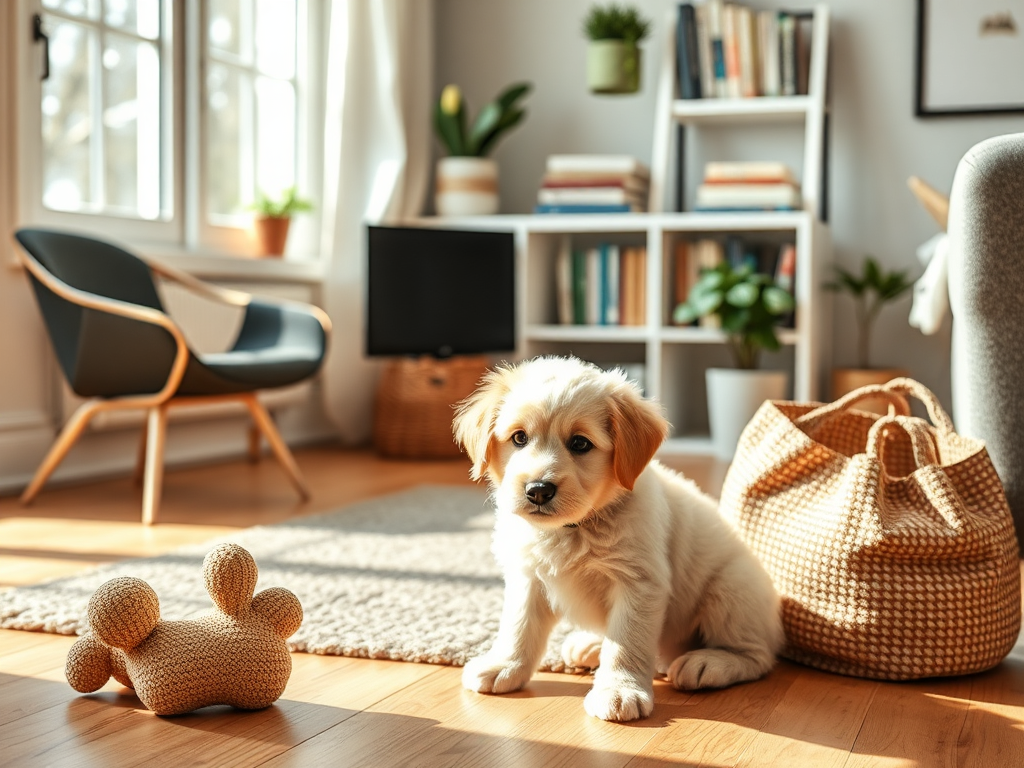
Creating a distraction-free training space for puppies involves setting up an environment that minimizes interruptions and promotes focus. Start by selecting a quiet area with minimal foot traffic and noise. Use barriers like baby gates to limit access to other rooms and remove distractions such as toys or other pets. Ensure the area is comfortable, well-lit, and equipped with training tools. This setup helps puppies concentrate on learning commands and behaviors effectively.
Choosing the Right Location for Training
Identifying the right location is crucial for establishing a distraction-free training space for puppies. Ideally, the training area should be quiet and away from household activities that could divert the puppy’s attention. A separate room or a corner of a less-used space can work well. Make sure it is a space where your puppy feels safe and comfortable.
Consider the layout of your home. Avoid areas near windows or doors where outside noises can be distracting. Additionally, choose a spot that is easy for you to access regularly for training sessions. Consistency in location helps puppies associate that space with learning, enhancing their focus.
Setting Up the Environment
Once you’ve selected a location, it’s time to set up the environment to minimize distractions. Start by decluttering the area. Remove unnecessary items that might catch your puppy’s attention, such as loose toys, food bowls, or anything that may evoke curiosity. A clean, simple environment allows puppies to focus on training tasks.
Consider using barriers, such as baby gates, to restrict access to other parts of the house. This limits distractions from other pets or family members. Additionally, ensure the training area is well-lit and comfortable. A space that is too bright or too dim can be distracting as well; natural light is ideal.
Using Tools and Resources Effectively
Equipping your training space with the right tools can significantly enhance the training experience. Use positive reinforcement tools like treats, clickers, or toys to motivate your puppy. Keep these items organized and nearby to avoid interruptions during training sessions.
Training mats or designated areas can also help your puppy understand where to focus their energy. For example, using a specific mat for training reinforces the idea that this is their learning space. Additionally, consider using calming aids, such as pheromone diffusers, to create a more relaxed atmosphere conducive to learning.
Common Mistakes to Avoid
One common mistake when creating a training space is underestimating the impact of noise. Even subtle sounds, like a ticking clock or distant conversations, can distract a puppy. Ensure that the area is as quiet as possible by closing doors and windows.
Another mistake is failing to account for the puppy’s natural curiosity. Puppies may become distracted by objects within reach, so it’s essential to remove any potential distractions. Lastly, avoid frequent changes to the training environment. Consistency helps establish a routine, making it easier for puppies to focus during training sessions.
Frequently Asked Questions
What is the best location for puppy training?
The best location is a quiet, low-traffic area away from distractions like windows or doors.
How can I minimize distractions during training?
Remove toys and other distractions, use barriers to limit access, and ensure a quiet environment.
What tools should I use for training my puppy?
Use positive reinforcement tools like treats, clickers, and training mats to enhance the training experience.
How long should training sessions last?
Training sessions should be short, around 5 to 10 minutes, to maintain your puppy's focus and interest.
What common mistakes should I avoid during training?
Avoid underestimating noise distractions, leaving toys in the area, and frequently changing the training location.
Conclusion
Creating a distraction-free training space for your puppy is essential for effective learning. Prioritize a quiet location, minimize distractions, and utilize the right tools to enhance training sessions. By avoiding common mistakes and maintaining a consistent environment, you can foster a positive learning experience that helps your puppy thrive. Start implementing these strategies today to see improvement in your puppy’s focus and training progress.