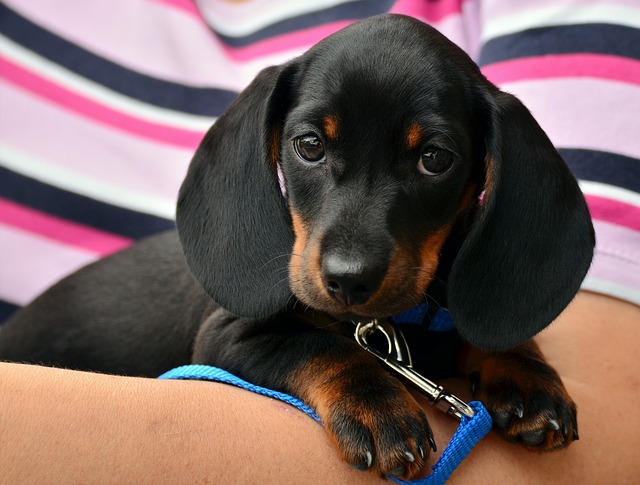
Training a puppy to walk on a leash without pulling begins with the right equipment. Using a properly fitted harness or collar can significantly help in controlling your puppy’s movements. This prevents discomfort and allows for better communication during training sessions. The key to success is consistent reinforcement of good behavior, rewarding your puppy when they walk beside you instead of pulling ahead.
Many owners make the mistake of allowing their puppies to lead the way, which reinforces the pulling behavior. It’s crucial to teach your puppy that pulling does not yield the freedom they seek. Start in a quiet area with minimal distractions to help your puppy focus on you and the task at hand. Gradually introduce more challenging environments as your puppy becomes more adept at walking calmly on a leash.
Understanding Puppy Behavior
Puppies are naturally curious and excited, which often leads to pulling during walks. Understanding this behavior is crucial for training. Puppies tend to pull when they are eager to explore their surroundings, and this can be compounded by a lack of proper training. Recognizing their instincts helps in developing a training approach that caters to their needs while correcting unwanted behavior.
To address this, focus on teaching your puppy the concept of ‘loose leash walking.’ This involves rewarding them for staying close to you rather than pulling ahead. By reinforcing the behavior you want, you help your puppy learn that walking beside you leads to positive outcomes, such as treats and praise.
Choosing the Right Equipment
The right equipment plays a significant role in successful leash training. A comfortable harness or collar is essential, as it provides better control without causing harm or discomfort. A front-clip harness is often recommended for puppies that tend to pull, as it redirects their attention back to you when they try to pull ahead.
Additionally, using a shorter leash can help maintain control during training sessions. Avoid retractable leashes, as they can encourage pulling and make it harder to establish a consistent training routine. Instead, opt for a sturdy, non-retractable leash that allows you to guide your puppy effectively.
Techniques for Leash Training
One effective technique for leash training is to use the ‘stop and go’ method. When your puppy starts to pull, stop walking immediately. Wait until they return to your side before continuing. This teaches your puppy that pulling does not result in forward movement. Consistency is key; repeat this process until they understand that staying close leads to continued progress.
Another method involves rewarding your puppy with treats or praise when they walk beside you without pulling. This positive reinforcement encourages them to associate walking calmly on a leash with enjoyable experiences. Gradually increase the duration of walking without pulling before rewarding to reinforce the behavior.
Common Mistakes to Avoid
Many owners inadvertently reinforce pulling behavior by allowing their puppies to pull ahead during walks. Avoid giving in to their pulling by allowing them to explore when they are at the end of the leash. Instead, focus on stopping and redirecting their attention back to you.
Another mistake is using harsh corrections or punishment, which can create fear or anxiety around leash walking. Positive reinforcement is much more effective in fostering a trusting and cooperative relationship between you and your puppy. Remember to be patient and consistent, as learning takes time.
Frequently Asked Questions
What age can I start leash training my puppy?
You can start leash training your puppy as early as 8 weeks old. Begin with short sessions to help them get accustomed to the leash.
How long will it take to train my puppy to walk without pulling?
The duration varies by puppy, but consistent training can show significant improvements within a few weeks.
Is it better to use a harness or collar for leash training?
A harness is generally better for leash training, especially for puppies that tend to pull, as it distributes pressure more evenly and provides better control.
What should I do if my puppy continues to pull despite training?
If your puppy continues to pull, revisit the basics of training, increase the use of rewards, and consider seeking support from a professional trainer.
Can I use treats to train my puppy to walk on a leash?
Yes, using treats for positive reinforcement is an effective strategy to encourage your puppy to walk calmly on a leash.
Conclusion
Training your puppy to walk on a leash without pulling is a vital skill that enhances your walks together. Focus on using the right equipment, employing effective techniques, and being consistent in your training methods. Avoid common pitfalls such as allowing pulling to go unchecked or using negative reinforcement. With patience and commitment, you will foster a positive walking experience for both you and your puppy, ensuring enjoyable outings for years to come.