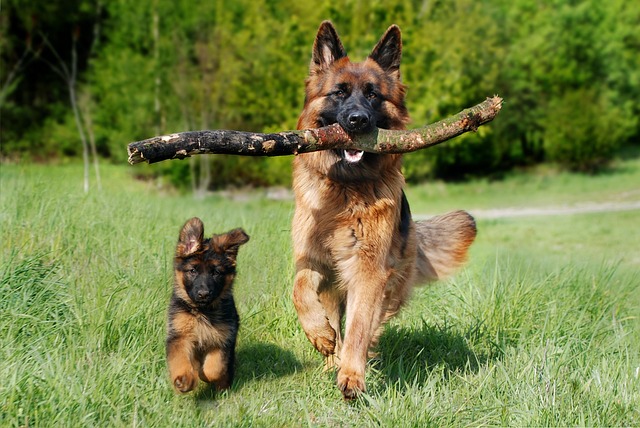
The Simple Puppy Obedience Routine That Builds Fast Results is a structured approach that emphasizes consistent and clear training methods. This routine involves teaching essential commands such as sit, stay, come, and heel, using positive reinforcement techniques to motivate your puppy. By implementing this routine, you can significantly enhance your puppy’s ability to learn and respond to commands quickly.
Many owners underestimate the importance of consistency in training. Without a structured routine, puppies may become confused, leading to slow learning and frustration for both the dog and the owner. Establishing a simple but effective obedience routine can prevent common pitfalls, such as inconsistent commands or varying levels of reinforcement, which can hinder your puppy’s progress.
Moreover, it’s essential to recognize that training is not just about commands; it is also about building a bond with your puppy. Engaging in training sessions should be a fun experience for both of you. This positive interaction fosters trust and enhances your puppy’s willingness to learn. Setting aside short, focused training sessions throughout the day can help reinforce learning and keep your puppy engaged.
Key Commands for Puppy Obedience
Teaching your puppy essential commands is the foundation of any effective obedience routine. Commands like ‘sit’, ‘stay’, ‘come’, and ‘heel’ are vital for ensuring your puppy’s safety and enhancing your control during walks and play. Each command serves a specific purpose, making it easier for your puppy to understand expectations.
Make sure to introduce each command gradually, using clear cues and consistent rewards. For instance, when teaching ‘sit’, guide your puppy into the position with a treat and reward them immediately upon compliance. This method reinforces the behavior and helps your puppy associate the command with the desired action.
Positive Reinforcement Techniques
Positive reinforcement is a cornerstone of effective puppy training. This technique involves rewarding your puppy for desired behaviors, which encourages them to repeat those actions. Rewards can include treats, praise, or playtime, making the training experience enjoyable.
It’s crucial to reward your puppy immediately after they perform the desired behavior. Delayed rewards can cause confusion, as the puppy may not connect the action with the reward. By maintaining a focus on positive reinforcement, you can build a strong foundation of trust and encourage your puppy to engage actively in their training.
Common Mistakes to Avoid
Many puppy owners make mistakes that can hinder their training efforts. One common error is inconsistency in commands or rewards. For instance, using different words for the same command can confuse your puppy and impede their learning. Always use the same vocabulary and gestures for commands.
Another mistake is failing to recognize when your puppy is overwhelmed or distracted. Training sessions should be short and focused; if your puppy loses interest, it’s essential to take a break and try again later. Keeping training sessions positive and engaging will help maintain your puppy’s enthusiasm.
Creating a Consistent Routine
Establishing a consistent training routine is vital for fast results. Puppies thrive on structure and predictability, so setting aside specific times each day for training can significantly enhance their learning experience. Aim for multiple short sessions throughout the day rather than one long session.
Additionally, incorporate training into your daily activities. For example, use the ‘sit’ command before feeding your puppy or the ‘stay’ command when opening the door. This integration reinforces training in real-life situations, helping your puppy understand the commands’ practical applications.
For further insights into effective puppy training, consider exploring reputable resources such as training manuals or websites dedicated to canine behavior. These materials can provide additional techniques and strategies to enhance your puppy’s obedience training.
Frequently Asked Questions
What is the best way to train a puppy?
The best way to train a puppy is through consistent commands and positive reinforcement techniques, ensuring they understand what is expected of them.
How long should training sessions be?
Training sessions should ideally last 5 to 10 minutes, as puppies have short attention spans and benefit from frequent, focused practice.
How often should I train my puppy?
You should train your puppy several times a day, incorporating short sessions into their daily routine to reinforce learning.
What commands should I teach my puppy first?
Start with basic commands such as ‘sit’, ‘stay’, ‘come’, and ‘heel’, as these are essential for safety and control.
How do I handle a puppy that won’t listen?
If your puppy isn’t listening, reassess your training methods, ensure consistency, and consider shortening sessions or making them more engaging.
Conclusion
To achieve fast results with your puppy’s obedience training, focus on establishing a simple routine that emphasizes essential commands and positive reinforcement. Consistency is crucial, as it helps your puppy understand what is expected and builds their confidence. By integrating training into daily activities and keeping sessions short and enjoyable, you can foster a strong bond with your puppy while ensuring they learn effectively. Remember to avoid common mistakes and remain patient as your puppy develops their skills.