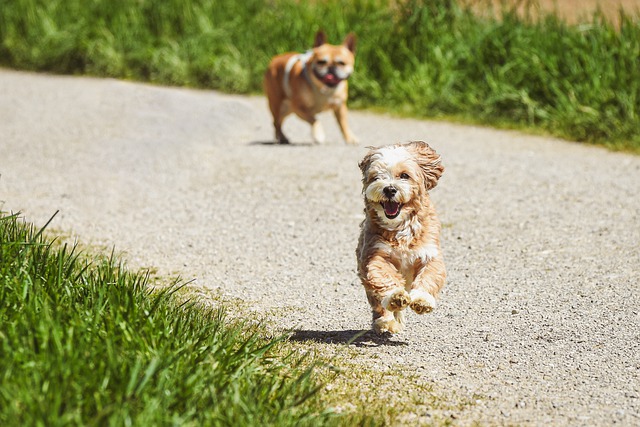
Stopping a puppy from nipping and biting hands requires immediate redirection to appropriate toys and consistent reinforcement of positive behavior. This behavior is typically a natural instinct related to playfulness and exploration, but it can become problematic if not addressed early. Puppies often use their mouths to interact with their environment, and without guidance, they may target human hands during play.
To effectively curb this behavior, it is crucial to understand that puppies do not yet know the boundaries of acceptable play. Many owners mistakenly react with frustration or punishment, which can create fear or anxiety. Instead, focus on teaching your puppy what is acceptable to bite and chew. Providing them with a variety of chew toys can help satisfy their urge to bite while preventing them from targeting hands.
Understanding Puppy Nipping
Puppy nipping is a common behavior often linked to their natural instincts. Puppies use their mouths to explore their surroundings, and nipping can be a form of play. However, it’s important to recognize that as puppies grow, their bite strength increases, making this behavior potentially harmful. Understanding the triggers for nipping can help owners address the issue effectively.
Many puppies nip during play when they are overly excited, tired, or seeking attention. Identifying these triggers allows for better management of the behavior. For example, if a puppy tends to nip when playing with their owners, it may indicate that they are overstimulated. Learning to recognize these signs can help prevent nipping before it escalates.
Redirecting Behavior Effectively
One of the most effective ways to stop nipping is through redirection. When a puppy nips, immediately replace your hand with a chew toy or a similar object. This teaches them what is appropriate to bite. Be consistent with this technique, as it reinforces the idea that hands are not toys.
Positive reinforcement plays a crucial role in this process. When your puppy chooses to play with their toys instead of nipping at your hands, offer praise and treats. This encourages them to repeat the desired behavior. Over time, this method helps to establish a clear understanding of acceptable play.
Establishing Boundaries
Setting clear boundaries is essential in training a puppy. Establishing a consistent response to nipping helps your puppy understand that this behavior is unacceptable. Avoid using your hands to play with your puppy, as this can confuse them about what is acceptable behavior.
Additionally, if your puppy continues to nip despite redirection, it may be helpful to take a brief timeout. This involves stopping play and walking away for a few moments, signaling that nipping leads to the end of fun. Consistency in these boundaries will encourage your puppy to learn more quickly.
When to Seek Professional Help
If nipping persists despite consistent training and redirection, it may be time to seek professional help. A certified dog trainer can provide personalized strategies tailored to your puppy’s specific behaviors. They can also help identify any underlying issues that may be contributing to the nipping.
Professional training can be especially beneficial if your puppy exhibits aggressive behavior or if you feel overwhelmed by the training process. Early intervention can prevent more serious behavioral issues down the line.
For more in-depth information on puppy training and behavior, consider exploring the following resources:
Frequently Asked Questions
What causes puppy nipping?
Puppy nipping is often caused by their natural instinct to explore and play, using their mouths as tools.
How can I stop my puppy from nipping?
To stop nipping, redirect your puppy to appropriate chew toys and use positive reinforcement when they engage with them instead of your hands.
Is it normal for puppies to nip?
Yes, nipping is a normal behavior in puppies, especially during play, but it needs to be managed to prevent harmful habits.
When should I start training my puppy to stop nipping?
Training should start as soon as you bring your puppy home, ideally during their early socialization period.
What if my puppy continues to nip despite training?
If nipping continues, it may be beneficial to consult a professional dog trainer for tailored strategies and solutions.
Conclusion
Addressing puppy nipping and biting hands involves consistent redirection, establishing clear boundaries, and using positive reinforcement techniques. Understanding the underlying causes of this behavior is crucial for effective training. If challenges persist, seeking guidance from a professional can provide valuable support. By implementing these strategies, you can help your puppy learn appropriate play behaviors and strengthen your bond with them.