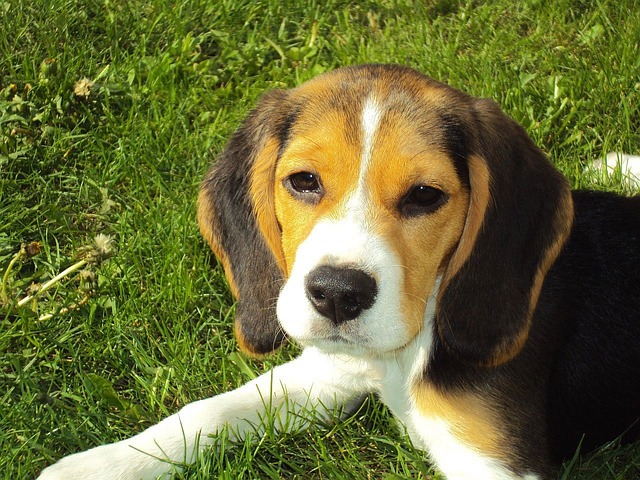
Training a puppy to stay calm around guests involves gradual exposure and positive reinforcement. Begin by allowing your puppy to observe visitors from a distance, rewarding calm behavior with treats and praise. This method helps your puppy associate guests with positive experiences, reducing anxiety and excitement.
Common mistakes include overwhelming the puppy with too many guests at once or failing to reward calm behavior. It’s crucial to prioritize gradual introductions and to remain consistent with commands and rewards. If your puppy becomes overly excited or anxious, take a step back and allow them to acclimate at their own pace, reinforcing calmness with treats and praise.
Understanding Puppy Behavior
Puppies are naturally curious and may react excitedly to new people. Understanding this behavior is essential for effective training. They may bark, jump, or run around, which can be overwhelming for guests. Recognizing the triggers that cause excitement helps in managing their reactions.
Focus on identifying specific behaviors that indicate excitement, such as barking or jumping. By understanding these signals, you can better prepare your puppy for social interactions. Additionally, consider your puppy’s energy levels and temperament, as these factors influence their behavior around guests.
Creating a Calm Environment
Establishing a calm environment is crucial for training your puppy to behave around guests. Designate a quiet space where your puppy can retreat if they feel overwhelmed. This safe zone helps them feel secure and reduces anxiety during social interactions.
Ensure that your home is free from distractions when guests arrive. Keep noise levels down and limit the number of visitors at once to avoid overwhelming your puppy. Gradually increase exposure to guests in a controlled manner, allowing your puppy to adjust to the presence of new people.
Positive Reinforcement Techniques
Positive reinforcement is a powerful tool for training puppies. Reward your puppy with treats, praise, or playtime when they exhibit calm behavior around guests. This encourages them to associate positive experiences with the presence of visitors.
Use specific commands like ‘sit’ or ‘stay’ before allowing guests to approach. This not only helps your puppy learn to remain calm but also establishes boundaries. Be consistent with rewards and commands to reinforce the desired behaviors effectively.
Gradual Exposure to Guests
Gradual exposure is key to helping your puppy become comfortable with guests. Start by inviting one calm friend over and allowing your puppy to observe from a distance. As they become more relaxed, gradually decrease the distance between them and the guest.
Monitor your puppy’s body language during these interactions. If they show signs of stress, such as cowering or hiding, take a step back and give them space. Continue to reward calm behavior and increase exposure slowly until your puppy can comfortably interact with guests.
Frequently Asked Questions
What should I do if my puppy barks at guests?
If your puppy barks at guests, redirect their attention with a command like ‘sit’ and reward them for calm behavior.
How can I help my puppy feel safe around new people?
Create a safe space for your puppy and gradually introduce them to new people, rewarding calm behavior.
Is it normal for puppies to get overly excited around guests?
Yes, it’s normal for puppies to be excited around guests due to their curiosity and social nature.
How long does it take to train a puppy to stay calm around guests?
The time varies by puppy, but consistent training can show results within a few weeks to a few months.
What are some signs that my puppy is anxious around guests?
Signs of anxiety include cowering, hiding, excessive barking, or attempting to escape the area.
Conclusion
Training your puppy to stay calm around guests is a gradual process that requires patience and consistency. Focus on creating a calm environment, using positive reinforcement, and gradually exposing your puppy to new people. By prioritizing these strategies, you can help your puppy develop the skills needed to interact calmly and confidently with guests, enhancing their socialization and overall behavior.