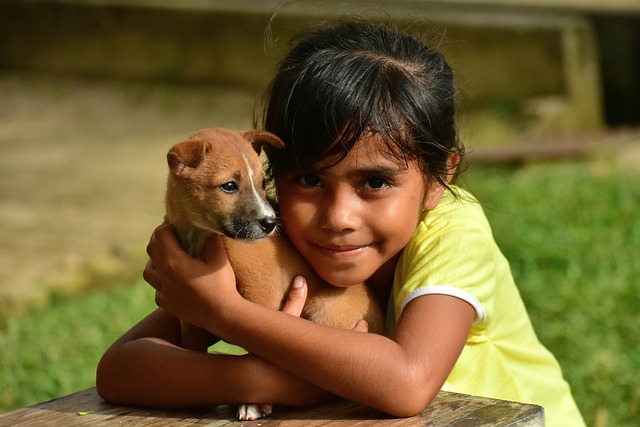
Training a puppy to remain calm around guests is essential for a harmonious home environment. This process involves gradual exposure to new people and reinforcing calm behavior through positive reinforcement. Puppies often react excitedly due to unfamiliarity with social situations, which can lead to unwanted behaviors like jumping or barking. To address this, start with controlled introductions and rewarding calmness.
Understanding the triggers that cause your puppy to become excited is crucial. Common triggers include doorbells, unfamiliar scents, or sudden movements. By identifying these triggers, you can manage the environment more effectively. For instance, if your puppy tends to bark at the door, practice having guests enter while you control your puppy’s space, perhaps through a leash or a designated area. This approach helps your puppy learn that guests are not a threat and can lead to more relaxed interactions.
Understanding Puppy Behavior
Puppies are naturally curious and energetic, which can sometimes translate to excitement when guests arrive. This excitement can lead to unwanted behaviors, such as jumping or excessive barking. Understanding your puppy’s instincts is the first step in helping them learn to remain calm. Recognize that their reactions stem from a lack of exposure to new experiences and people.
To help your puppy adjust, consider their socialization needs. Early socialization is crucial; exposing them to various environments and people can help them become well-adjusted adults. Make sure to introduce them to different types of guests—children, adults, and even people wearing hats or sunglasses—to ensure they are comfortable in all situations.
Techniques for Calm Introductions
When guests arrive, it’s important to manage the environment to prevent overwhelming your puppy. Start by having your puppy on a leash to maintain control. Allow guests to ignore the puppy initially, letting them come to the guests at their own pace. This approach helps reduce the pressure on your puppy and allows them to feel safe.
Additionally, consider using a designated area for your puppy during introductions, such as a crate or a separate room. This space can serve as a retreat for your puppy, where they can feel secure. Encourage guests to approach slowly, offering treats to the puppy when they exhibit calm behavior. This not only builds positive associations but also reinforces the desired behavior.
Positive Reinforcement Methods
Positive reinforcement is a powerful tool in dog training. When your puppy remains calm around guests, reward them with treats, praise, or playtime. This reinforces the behavior you want to see and helps your puppy associate calmness with positive outcomes. Try to keep treats handy during guest visits and reward your puppy immediately when they behave appropriately.
Incorporating commands such as “sit” or “stay” can also be beneficial. Practice these commands regularly, reinforcing them with treats and praise. Gradually introduce these commands during guest interactions, rewarding your puppy when they respond appropriately. This structured approach helps them understand what is expected and encourages calm behavior.
Common Mistakes to Avoid
One common mistake is overexcitement during introductions. Many owners inadvertently encourage jumping or barking by giving attention to these behaviors, thinking they are being playful. Instead, it’s essential to remain calm and provide no attention until your puppy is calm. This teaches them that calm behavior is what gets them attention.
Another mistake is expecting immediate results. Training a puppy takes time and patience. Consistency is crucial; if you allow your puppy to jump up or bark at guests sometimes but correct it other times, it can confuse them. Stick to your training plan, and be patient as your puppy learns the appropriate behavior.
Frequently Asked Questions
What age should I start training my puppy to stay calm around guests?
Start training your puppy as early as 8 weeks old to help them learn how to behave around guests effectively.
How do I handle an overly excited puppy when guests arrive?
Keep your puppy on a leash and allow them to calm down before giving attention. Use commands and rewards to reinforce calm behavior.
Can I train my puppy to be calm around guests without professional help?
Yes, with patience and consistency, most owners can train their puppies using positive reinforcement techniques.
What should I do if my puppy barks excessively at guests?
Redirect your puppy’s attention using commands and rewards, and avoid giving attention when they bark to discourage the behavior.
How long will it take for my puppy to learn to stay calm around guests?
The time it takes varies by puppy, but with consistent training, you should see improvement within a few weeks.
Conclusion
Training your puppy to stay calm around guests is a vital skill that enhances their socialization and your home environment. By understanding your puppy’s behavior, using techniques for calm introductions, and applying positive reinforcement, you can achieve successful results. Remember to avoid common mistakes such as reinforcing unwanted behaviors and be patient throughout the training process. With consistent effort, your puppy can learn to greet guests calmly and confidently.