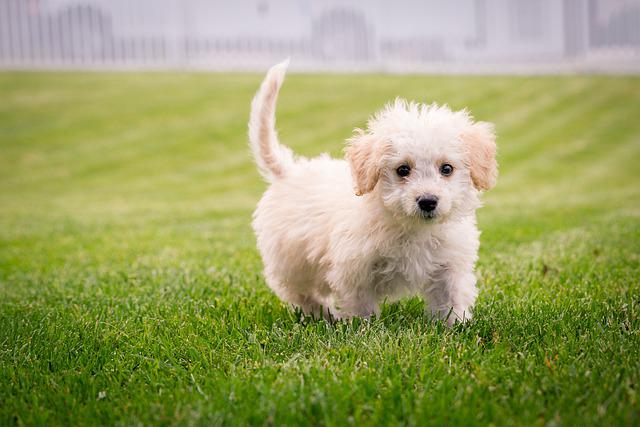
Common issues in puppy training include excessive barking, destructive chewing, and difficulties with house training. These challenges often arise from a lack of clear communication and structure during the training process. Addressing these problems requires a combination of understanding your puppy’s behavior and implementing effective training techniques consistently.
One major mistake many puppy owners make is assuming that their dog will learn commands and proper behaviors without consistent reinforcement. Puppies thrive in environments where they feel secure and understood. Establishing a routine not only helps your puppy understand what is expected of them but also builds their confidence. Incorporating positive reinforcement, such as treats and praise, is crucial for encouraging desired behaviors.
Understanding Excessive Barking
Excessive barking in puppies can signal anxiety, boredom, or a desire for attention. Identifying the triggers behind your puppy’s barking is essential for addressing this issue. For instance, if your puppy barks when left alone, they may be experiencing separation anxiety. To mitigate this behavior, gradually increase the time your puppy spends alone and provide engaging toys to keep them occupied.
Training your puppy to respond to a “quiet” command can also help reduce unnecessary barking. Consistently rewarding your puppy when they stop barking reinforces the desired behavior. Remember, patience is key; persistent barking may take time to resolve as your puppy learns what is acceptable.
Addressing Destructive Chewing
Destructive chewing is a common behavior in puppies, often resulting from teething or boredom. To curb this habit, provide appropriate chew toys and redirect your puppy’s attention when they attempt to chew on furniture or shoes. It’s essential to supervise your puppy and intervene when necessary, allowing them to learn what items are acceptable to chew.
Establishing a positive association with chew toys by praising your puppy when they use them can encourage this behavior. Additionally, ensuring your puppy receives adequate exercise and mental stimulation can significantly reduce their urge to chew destructively.
Solving House Training Issues
House training can be one of the most challenging aspects of puppy ownership. Accidents often occur when owners do not recognize the signs that their puppy needs to eliminate. To effectively house train your puppy, establish a consistent schedule for bathroom breaks, taking them outside frequently, especially after meals and naps.
When your puppy successfully eliminates outside, reward them immediately with praise or treats. If accidents happen indoors, clean the area thoroughly to remove any lingering odors that may encourage repeat behavior. Consistency and patience are crucial during this process, as it may take weeks for your puppy to fully understand where it is appropriate to relieve themselves.
Implementing Consistent Commands
Consistency in commands is vital for effective puppy training. Using the same words and gestures for commands helps your puppy understand what is expected of them. Avoid using multiple phrases for the same command, as this can confuse your puppy and slow their learning progress.
Regular practice of commands in various environments will reinforce your puppy’s understanding and improve their responsiveness. Incorporate training sessions into daily routines, ensuring they are short and engaging to maintain your puppy’s interest. Positive reinforcement will further encourage your puppy to follow commands and develop good habits.
Frequently Asked Questions
What is the best way to stop a puppy from barking excessively?
To stop a puppy from barking excessively, identify the triggers causing the barking and address them. Training your puppy to respond to a “quiet” command and rewarding them when they stop barking can also help.
How can I prevent my puppy from chewing on furniture?
Provide appropriate chew toys and supervise your puppy to redirect their attention when they start chewing on furniture. Praise them for using their chew toys to reinforce positive behavior.
What are the key steps in house training a puppy?
Establish a consistent bathroom schedule, take your puppy outside frequently, and reward them when they eliminate outside. Clean up any indoor accidents thoroughly to prevent repeat behavior.
Why is consistency important in puppy training?
Consistency helps your puppy understand commands and expectations, leading to more effective learning and behavioral development. Using the same commands and rewards reinforces desired behaviors.
How long does it take to train a puppy?
The time it takes to train a puppy varies depending on the individual dog and consistency in training. Generally, expect several weeks to months for basic commands and house training.