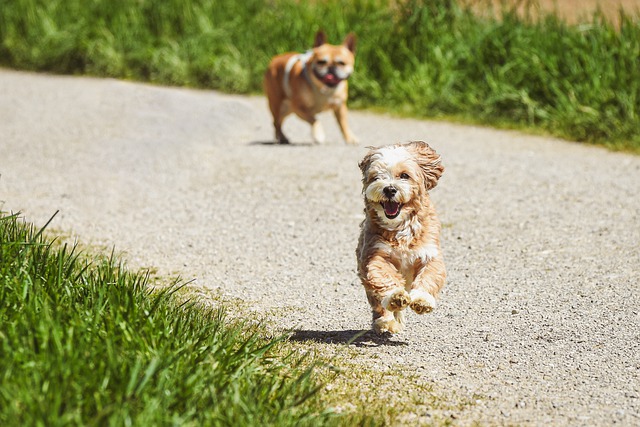
Teaching your puppy to stay calm alone is crucial for their emotional well-being and your peace of mind. Start by gradually increasing the time your puppy spends alone, beginning with short intervals and extending them as your puppy becomes more comfortable. This approach helps prevent separation anxiety, which can manifest as excessive barking, chewing, or other destructive behaviors.
Many owners mistakenly believe that leaving their puppy alone for long periods will help them adjust, but this can often lead to increased anxiety. Instead, focus on creating a positive environment that encourages calmness when you’re not home. Incorporate engaging toys and safe spaces where your puppy can feel secure. Additionally, practice leaving your puppy alone while you’re still at home to help them understand that you will return.
Understanding Separation Anxiety in Puppies
Separation anxiety occurs when a puppy becomes overly attached to their owner. This can lead to distress when left alone. Recognizing the signs of this condition early is essential for effective training. Common signs include whining, barking, and destructive behaviors.
To mitigate these issues, ensure that your puppy has a strong foundation of independence. Puppies that are overly reliant on their owners for comfort and security may struggle more when left alone. Gradually introducing your puppy to short periods of separation can help them learn to cope.
Creating a Safe Space for Your Puppy
A safe and comfortable space is critical for your puppy’s ability to stay calm when alone. This area should be free of hazards and equipped with cozy bedding, water, and toys.
Consider using a crate or a designated room where your puppy feels secure. Ensure that this space is not associated with punishment but rather as a cozy retreat. Familiar scents and soft bedding can help your puppy relax, easing the transition to being alone.
Gradual Desensitization Techniques
Gradual desensitization involves slowly increasing the time your puppy spends alone. Start with just a few minutes and gradually extend this time as your puppy adjusts.
During this process, it’s important to remain calm and confident. If you show signs of anxiety when leaving, your puppy may pick up on this and become anxious themselves. Practice leaving and returning without fanfare to help normalize the experience.
Utilizing Toys and Activities
Engaging toys can help distract your puppy and keep them occupied while you’re away. Puzzle toys filled with treats or long-lasting chews can provide mental stimulation.
Rotate toys regularly to keep your puppy interested. Providing a variety of activities can help reduce boredom, which is often a contributor to anxiety when left alone.
Monitoring Progress and Adjusting Techniques
As you implement these techniques, monitor your puppy’s behavior closely. If your puppy shows signs of distress, it may be necessary to adjust your approach. For example, you might need to decrease the duration of your separations until your puppy is more comfortable.
Consistency is key. Stick to a routine that works for both you and your puppy, and be patient as they learn to stay calm alone. Over time, your puppy will become more accustomed to their alone time.
Frequently Asked Questions
What are the signs of separation anxiety in puppies?
Signs of separation anxiety include excessive barking, whining, chewing on furniture, and attempts to escape when left alone.
How long can a puppy stay alone?
Puppies can typically stay alone for about one hour for every month of age. For example, a three-month-old puppy can stay alone for about three hours.
What should I do if my puppy cries when left alone?
If your puppy cries when left alone, try to gradually increase their alone time and ensure they have engaging toys to keep them occupied.
Can I use a crate to help my puppy stay calm alone?
Yes, using a crate can provide a safe space for your puppy. Ensure the crate is comfortable and not associated with punishment.
How can I help my puppy feel secure when alone?
To help your puppy feel secure, create a comfortable space with familiar scents, provide engaging toys, and practice gradual desensitization to alone time.
Conclusion
Teaching your puppy to stay calm alone is an essential skill that will benefit both of you. By understanding separation anxiety, creating a safe space, and using gradual desensitization techniques, you can help your puppy adjust to being alone. Remember to monitor their progress and adjust your methods as needed. With patience and consistency, your puppy will learn to feel secure and calm during your absences, leading to a happier and healthier pet.