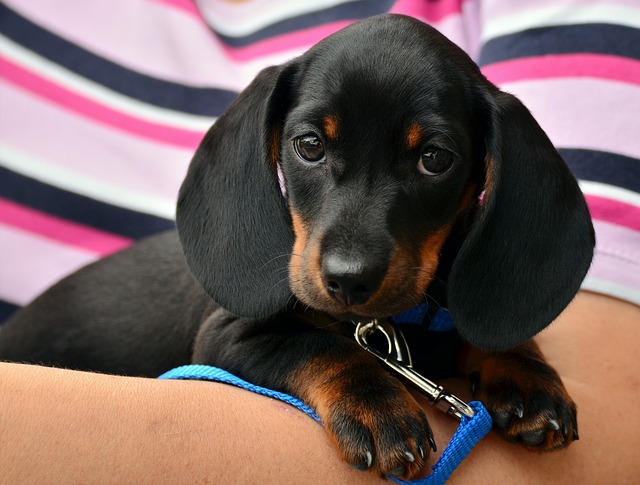
To effectively train your puppy to stay alone without anxiety, implement gradual separation techniques. Abruptly leaving your puppy alone can lead to distress, resulting in behaviors like barking, chewing, or even house soiling. Start by leaving your puppy alone for short periods and gradually increase the duration as they become more comfortable. This method allows your puppy to adjust to being alone without feeling overwhelmed.
One common mistake is to make the departure and arrival overly emotional. If you make a big fuss when leaving or returning, it can heighten your puppy’s anxiety. Instead, keep your comings and goings low-key. This helps your puppy understand that being alone is a normal part of their routine.
Another crucial aspect is ensuring your puppy has something positive to focus on while alone. Providing engaging toys or puzzle feeders can distract them and make the experience less stressful. Additionally, creating a safe and cozy space, such as a designated room or crate, can help your puppy feel secure.
Understanding Separation Anxiety in Puppies
Separation anxiety in puppies often manifests when they are left alone for the first time. Understanding the signs, such as excessive barking or destructive behavior, is essential for addressing the issue promptly. Puppies are social animals and may struggle when separated from their owners. Recognizing the triggers of anxiety can help you tailor your training approach.
The key is to differentiate between normal puppy behavior and signs of anxiety. For instance, some puppies may whine or bark when left alone, but this doesn’t necessarily indicate anxiety. Observing your puppy’s behavior during training can help you identify if their reactions are due to anxiety or simply a need for attention.
Step-by-Step Training Process
Begin the training process by establishing a routine that includes short periods of alone time. Start with just a few minutes, gradually increasing the duration as your puppy becomes more comfortable. During this time, ensure your puppy has access to safe toys or treats that can keep them occupied.
To further ease the transition, practice leaving your puppy in a designated area where they feel secure. This could be a crate or a small room with their bed and toys. Gradually increase the time spent away, and always return to your puppy before they become anxious. This helps reinforce the idea that you will come back, reducing their fear of separation.
Common Mistakes to Avoid
One of the most significant pitfalls is rushing the training process. If you leave your puppy alone for too long too soon, it can create feelings of panic and anxiety. Focus on gradual adjustments, and never push your puppy beyond their comfort level. Another mistake is failing to provide enough mental stimulation. Boredom can lead to anxiety, so ensure your puppy has engaging toys to occupy their time.
Also, avoid punishing your puppy for anxious behaviors. Instead, reinforce positive actions when they remain calm during alone time. This positive reinforcement builds trust and helps your puppy associate being alone with positive experiences.
Creating a Positive Environment
Creating a supportive environment is crucial for a puppy learning to stay alone. Ensure their space is comfortable and equipped with toys that encourage independent play. Using calming aids, such as pheromone diffusers or soft music, can also help soothe your puppy’s nerves.
Moreover, maintaining a consistent schedule can provide your puppy with a sense of stability. Regular feeding, playtime, and training sessions will help your puppy feel secure, knowing what to expect throughout the day.
Frequently Asked Questions
What are the signs of separation anxiety in puppies?
Common signs include excessive barking, whining, destructive behavior, and attempts to escape when left alone.
How long does it take to train a puppy to stay alone?
Training duration varies, but expect several weeks of gradual acclimatization to achieve success.
Can crate training help with separation anxiety?
Yes, crate training can provide a safe space for your puppy, helping them feel secure when alone.
What should I do if my puppy cries when left alone?
Start with shorter alone periods and gradually increase them. Avoid responding too dramatically to their cries.
Are there any tools to help with separation anxiety?
Yes, tools such as puzzle toys, calming aids, and pheromone diffusers can help reduce anxiety during alone time.
Conclusion
Training your puppy to stay alone without anxiety requires patience and a structured approach. Focus on gradual separation, creating a positive environment, and avoiding common mistakes that can exacerbate anxiety. Prioritize making your puppy feel secure and engaged while you’re away, and monitor their progress closely. With time and consistent training, your puppy will learn to enjoy their alone time, leading to a happier and healthier pet.