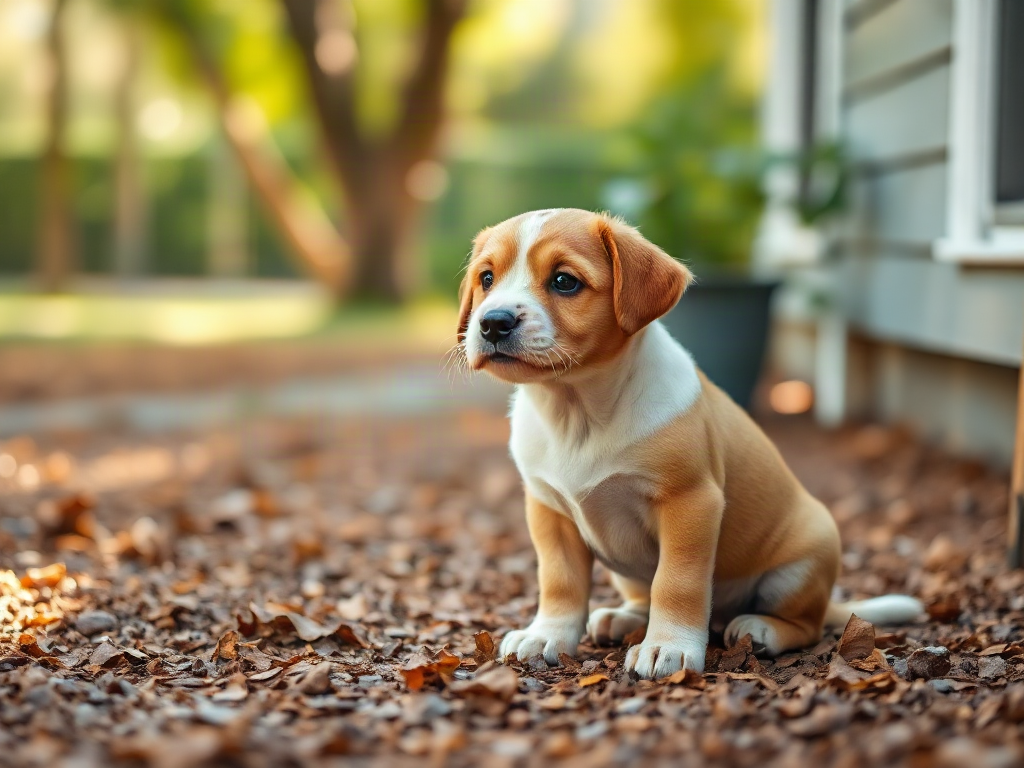
Create a consistent potty training routine by taking your puppy to one designated potty area after waking, meals, drinking, play, and confinement, while also scheduling trips often enough to prevent a full bladder. Use the same exit, cue, location, and immediate reward so the puppy can connect outdoor elimination with a predictable result. Supervise closely indoors, use a crate or small safe area when supervision is impossible, and record accidents and successful trips to refine the timing. If accidents suddenly increase despite a stable schedule, consider stress, dietary changes, or a urinary or digestive problem that warrants veterinary advice.
Build the Routine Around Predictable Potty Triggers
A workable schedule follows the puppy’s body rather than relying only on fixed clock times. Young puppies commonly need to eliminate after waking, eating, drinking, active play, excitement, and time spent in a crate or pen. Those events should trigger an outdoor trip even when the next planned break is still some time away.
Begin by anchoring potty trips to parts of the day that already happen consistently. Take the puppy outside immediately after the morning wake-up, shortly after meals, after naps, following energetic play, and before bedtime. Add preventive trips between those anchors according to the puppy’s recent performance. A puppy who urinates indoors 20 minutes after play needs an earlier post-play trip, not stricter correction after the accident.
Age-based bladder estimates can offer a rough starting point, but they should not be treated as deadlines a puppy must meet. Activity, water intake, individual development, stress, illness, and whether the puppy is awake can all shorten the interval. A sleeping puppy may remain dry longer than the same puppy running around the kitchen. Waiting for the longest theoretically possible interval often creates avoidable failures.
A practical daily timing checklist includes:
- Immediately after waking: Carry or lead the puppy directly outside before play or household activity begins.
- After meals and substantial drinking: Watch closely and provide an early trip rather than waiting for obvious signals.
- After naps, play, or training: Treat the end of the activity as a potty trigger.
- Before and after confinement: Give the puppy a chance to empty before entering a crate and again upon release.
- Before bedtime: Keep the final trip quiet and focused so it does not become a late-night play session.
Household consistency matters more than making every day identical to the minute. If breakfast shifts by half an hour, the potty trip should shift with it. Anyone caring for the puppy should know the trigger-based plan and record whether the puppy urinated, defecated, or did neither. That shared information prevents one person from assuming another has already provided a successful break.
The clearest sign that the interval is appropriate is repeated outdoor success with relaxed indoor behavior between trips. Frequent circling, abrupt sniffing, wandering away, or accidents shortly before the next scheduled break indicate that the interval is too long or supervision is too loose. A realistic how to create a consistent potty training routine plan adapts to those observations instead of forcing the puppy to fit a rigid timetable.
Use One Repeatable Outdoor Potty Sequence
The outdoor routine should make elimination easy to understand and rewarding to repeat. Use the same door when practical, go directly to a familiar toilet area, limit distractions, and allow the puppy enough quiet time to sniff and settle. Repetition helps distinguish a potty trip from a walk, play session, or visit with neighbors.
Choose a short cue such as “go potty,” but say it thoughtfully. At first, give the cue when the puppy begins preparing to eliminate rather than repeating it continuously from the doorway. Once the puppy associates the words with the action, the cue can be introduced earlier. Repeating it while the puppy watches birds or chews grass turns it into background noise.
Keep the puppy on a leash if an open yard encourages running and exploration. Stand in a relatively small area and remain neutral. If elimination occurs, mark the moment with calm praise and deliver a small reward immediately after the puppy finishes, while still outside. A treat given after returning to the kitchen may reward coming through the door rather than toileting outdoors.
Outdoor access should not always end the instant the puppy eliminates. If every successful squat causes an immediate return indoors, some puppies learn to delay elimination because they want to remain outside. When time and conditions allow, follow success with a brief sniff, gentle play, or the start of a walk. Potty first, then access to something enjoyable, creates a useful consequence without making the trip stressful.
If nothing happens after several focused minutes, return indoors without granting free access to the house. Keep the puppy attached to you with a leash, place the puppy in an appropriately sized crate for a short period, or use another closely supervised setup. Try again soon. The alternative—waiting outside indefinitely while the puppy becomes distracted—can make the sequence less clear and consumes time without improving the association.
Weather creates a common consistency problem. Rain, cold, heat, dark conditions, and unfamiliar surfaces may change a puppy’s willingness to eliminate. Use a sheltered area when available, keep the trip matter-of-fact, and reward promptly. Do not substitute an indoor toilet option for occasional bad weather unless indoor elimination is part of the long-term plan. Switching between outdoor grass, disposable pads, and unrestricted indoor locations can slow learning because the acceptable surface and destination keep changing.
A repeatable sequence should remain simple: direct route, familiar area, one cue, quiet waiting, immediate reinforcement, and either supervised freedom after success or a prompt retry after no result. That consistency gives the puppy information at the exact moment a choice is being made.
Manage Indoor Time Between Scheduled Trips
Indoor management prevents the puppy from rehearsing elimination in hidden or convenient locations. A schedule alone cannot work if the puppy can wander out of sight between breaks. Until reliability develops, the puppy should be actively supervised, safely confined, or tethered to a nearby adult with a lightweight leash under direct observation.
Active supervision means watching behavior, not merely sharing the same room. A puppy can move behind a chair and urinate while someone is cooking, working, or looking at a phone. Useful early signals include sudden disengagement from play, concentrated floor sniffing, circling, pacing near an exit, moving toward a previously soiled spot, or slipping away from people. Take the puppy outside immediately when those changes appear; do not wait to confirm the intention.
A crate can support potty training because many puppies prefer not to soil a correctly sized sleeping area, but it is not a tool for extending bladder capacity beyond a reasonable limit. The space should allow the puppy to stand, turn, lie down, and rest comfortably without providing a distant toilet corner. A crate that is too large may permit separate sleeping and elimination areas, while excessive confinement can lead to distress or unavoidable soiling.
For longer periods, a pen with a planned toilet surface may be more humane than expecting a young puppy to remain clean in a crate. That arrangement involves a tradeoff: it protects the puppy from being forced to soil the bed, but it may lengthen the transition to outdoor-only elimination. Owners who cannot provide midday breaks should decide deliberately whether temporary indoor toileting is necessary rather than allowing random accidents to establish the location.
Freedom should expand according to demonstrated reliability, not simply age or time in the home. Start with one puppy-proofed room after a successful outdoor trip. If the puppy remains dry and signals reliably, gradually add space. When accidents return after access expands, reduce the area and shorten the interval between trips. That is useful feedback, not proof that the puppy has forgotten everything.
Water should generally remain available to meet the puppy’s needs; withholding it throughout the day is not a sound shortcut. Instead, notice when the puppy drinks and arrange a timely trip. Ask a veterinarian about unusual thirst, frequent attempts to urinate, straining, diarrhea, or changes in urine, because those signs should not be managed solely by increasing confinement.
For households refining how to create a consistent potty training routine, the practical priority is matching freedom to current reliability. Preventing one hidden accident is more useful than testing whether the puppy can handle an entire floor of the house.
Track Results and Adjust the Schedule
A simple written log reveals timing patterns that memory tends to miss. Record meals, substantial drinks, naps, play sessions, outdoor trips, whether elimination occurred, and any indoor accidents. After several days, the entries often show a repeatable interval or a specific vulnerable period, such as late-afternoon play or the hour after dinner.
Use the log to move breaks earlier than accidents rather than adding trips randomly. For example, if accidents repeatedly occur around 3:40 p.m. after a 3:00 p.m. play session, schedule a trip near 3:25 p.m. If the puppy stays dry with that timing for several days, maintain it before testing a slightly longer interval. Changing the schedule after every single irregular day makes it difficult to identify a stable pattern.
Progress should be measured through several signals: fewer indoor accidents, quicker elimination in the designated area, longer dry periods appropriate to the puppy, and clearer movement toward the exit or another chosen signal. Bell use or sitting at the door can be helpful, but a signal does not replace scheduled opportunities. Some puppies ring bells for outdoor entertainment, while others remain quiet even when they need to go.
Extend intervals gradually and test only one change at a time. If the puppy is reliably dry during a particular morning period, add a modest amount of time before that break while leaving the rest of the day unchanged. A large jump from frequent trips to a sparse adult-dog schedule can produce accidents that look like regression but actually reflect an unrealistic expectation.
Different caregivers should follow the same recording method. A note stating “went outside” is incomplete because it does not confirm whether the puppy actually eliminated. Record “urinated,” “defecated,” “both,” or “no result.” After a no-result trip, the next caregiver knows to supervise closely and retry rather than assuming the puppy is empty.
A failing approach usually has a recognizable pattern: accidents occur at similar times, the puppy repeatedly soils beyond the caregiver’s view, rewards arrive after returning indoors, or household members apply different rules. Sudden loss of previously stable control is different. Frequent urination, discomfort, unusually strong urgency, digestive upset, or accidents during sleep justify contacting a veterinarian. Training adjustments cannot resolve an underlying physical problem.
Handle Accidents Without Disrupting Progress
An accident is evidence about timing, access, supervision, or health—not an opportunity for punishment. If you catch the puppy beginning to eliminate, interrupt gently without shouting, move promptly to the designated area, and reward if the puppy finishes there. If the accident is already complete, correction has no teaching value because the puppy cannot reliably connect a later reaction with the earlier act.
Punishing a puppy for indoor elimination may teach concealment rather than outdoor toileting. The puppy can become reluctant to eliminate in front of people, including during supervised outdoor trips, then wait for privacy indoors. Scolding near a puddle, rubbing the puppy’s nose in it, or displaying anger after discovery adds fear without showing where elimination should occur.
Clean the area thoroughly with a product intended to break down pet-waste odors, following its label and testing delicate surfaces first. Ordinary household cleaning may remove the visible stain while leaving scent traces detectable to the puppy. Returning to the same location then becomes more likely, especially on absorbent rugs or carpet. Block access to a recurring spot while revising the schedule and supervision plan.
Review what happened immediately before the accident. Was the puppy awake longer than usual? Did vigorous play follow a large drink? Did a caregiver assume a trip had occurred? Was the puppy given access to another room? The useful response is specific: shorten the post-play interval, improve the handoff between caregivers, close the bedroom door, or provide a focused retry after an unsuccessful outdoor visit.
Occasional accidents can occur during developmental changes, travel, schedule disruptions, severe weather, or transitions to a new home. Temporarily return to more frequent breaks and a smaller supervised area instead of replacing the entire method. A short management reset differs from starting over; the familiar location, cue, and reward remain intact while the opportunity for mistakes is reduced.
Contact a veterinarian when an accident pattern changes abruptly or appears alongside straining, repeated small urinations, blood, excessive thirst, vomiting, diarrhea, lethargy, or apparent pain. A puppy who physically cannot maintain the expected interval needs assessment, not tighter restrictions. The strongest how to create a consistent potty training routine approach treats behavior and physical condition as separate possibilities rather than assuming every accident is disobedience.
Frequently Asked Questions
How often should I take my puppy outside to potty?
Use wake-ups, meals, drinks, naps, play, and confinement as automatic trip triggers, then add preventive breaks based on the puppy’s accident log. Shorten the interval if accidents occur before the next planned outing.
How long should I wait outside for my puppy to go?
Allow several quiet, focused minutes in the designated area. If nothing happens, return indoors for close supervision or brief appropriate confinement, then try again soon rather than granting unrestricted freedom.
Should I wake my puppy for a nighttime potty break?
A very young puppy may need a planned overnight break. Base the timing on when the puppy usually wakes or has accidents, keep the outing quiet, and gradually shift it later as reliable dryness develops.
When can I give my puppy more freedom in the house?
Expand access after repeated dry periods and successful outdoor trips in the current area. Add one room or short period at a time, and reduce freedom again if accidents return.
Why is my puppy suddenly having accidents after doing well?
Check for a longer schedule, increased freedom, missed cues, household disruption, dietary upset, or changes in water intake. Sudden frequent accidents or signs of discomfort warrant veterinary advice.
Conclusion
Reliable potty habits develop when the puppy receives frequent, understandable opportunities to succeed. Build outings around waking, food, water, play, and confinement; make every outdoor attempt follow the same quiet sequence; and limit indoor freedom to what the puppy can currently manage. A brief log will show whether breaks need to happen earlier and whether progress is stable enough to extend an interval.
After an accident, clean the location, identify the missed trigger, and adjust supervision instead of punishing the puppy. Keep rewards immediate and make sure every caregiver records the actual result of each trip. Begin with a schedule the household can maintain for the next several days, then revise one interval at a time. If control deteriorates suddenly or elimination appears painful or unusually frequent, pause the training assumptions and seek veterinary guidance.