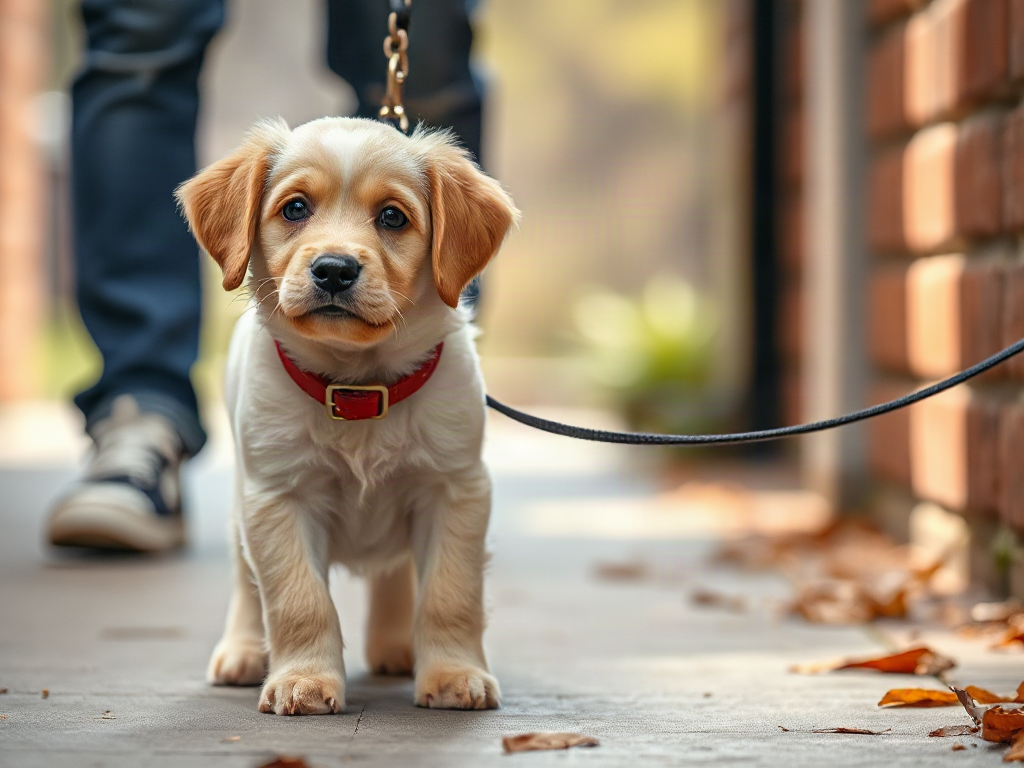
Using treats effectively for leash training involves rewarding your puppy for desired behaviors such as walking calmly beside you or responding to commands. Start with high-value treats that your puppy loves and use them to reinforce positive actions, ensuring you reward immediately after the behavior occurs. Common pitfalls include over-reliance on treats, which can lead to your puppy expecting rewards for every action, and inconsistent timing, which can confuse your puppy about what behavior is being rewarded. Instead, focus on gradually reducing treat frequency as your puppy learns.
Understanding the Role of Treats in Training
Treats serve as a powerful tool in leash training, helping to reinforce desired behaviors through positive reinforcement. This method leverages the natural instincts of dogs to seek out rewards, making training sessions more engaging and effective. When your puppy associates walking calmly on a leash with receiving a treat, they are more likely to repeat that behavior. This principle of operant conditioning underpins most canine training techniques and is particularly effective for puppies who are still learning the basics of leash manners.
The importance of using treats lies in their ability to motivate and encourage your puppy to participate actively in training. Unlike traditional reprimands or corrections, which can lead to fear or anxiety, treats foster a positive training environment. This approach builds trust between you and your puppy, making them eager to please you. However, the effectiveness of treats can be influenced by the type of reward, timing, and consistency of use.
Understanding the Role of Treats in Training matters because it turns use treats effectively for leash training from a broad idea into a decision the reader can actually apply. The practical difference usually shows up in the details: how much is needed, when the choice is made, what tradeoff is acceptable, and what sign shows the approach is working. For technology topics, the strongest advice connects the user goal, system constraint, maintenance burden, and measurable outcome.
A useful way to handle this section is to compare the normal baseline with the situation that creates extra demand. If training is the baseline concern, then treats becomes the adjustment point and leash becomes the outcome to watch. That keeps the advice specific without forcing the reader into a rigid formula that may not fit their routine, budget, tolerance, schedule, or current level of experience.
The most common mistake is changing too many variables at once. A better approach is to choose one measurable adjustment, use it consistently long enough to see a pattern, and then refine the next step based on energy, comfort, performance, safety, or reliability. This makes the guidance easier to trust because the reader can connect the recommendation to what they observe rather than guessing from a generic checklist.
The practical takeaway is to make the section actionable: identify the main constraint, choose the smallest useful change, and compare the result against the goal. When the outcome improves, the reader can keep the approach. When it does not, the next change should target the most likely bottleneck rather than repeating the same step with more effort.
Choosing the Right Treats for Your Puppy
Selecting the right treats is crucial in ensuring that your puppy remains motivated during leash training. High-value treats are those that your puppy finds particularly appealing, such as small pieces of chicken, cheese, or specially formulated dog treats. The size of the treat should be manageable, allowing for quick consumption to maintain the flow of training without lengthy interruptions.
Consider your puppy’s dietary needs and any allergies when choosing treats. It’s essential to avoid overfeeding; therefore, using small pieces helps prevent excessive calorie intake. You can also incorporate a variety of treats to keep your puppy interested and engaged, switching between different flavors or textures. This variety can also help you gauge which treats your puppy responds to best, allowing you to tailor your training approach accordingly.
Choosing the Right Treats for Your Puppy matters because it turns use treats effectively for leash training from a broad idea into a decision the reader can actually apply. The practical difference usually shows up in the details: how much is needed, when the choice is made, what tradeoff is acceptable, and what sign shows the approach is working. For nutrition topics, the strongest advice connects portion size, food quality, timing, and recovery instead of treating every meal as a fixed serving.
A useful way to handle this section is to compare the normal baseline with the situation that creates extra demand. If treats is the baseline concern, then puppy becomes the adjustment point and training becomes the outcome to watch. That keeps the advice specific without forcing the reader into a rigid formula that may not fit their routine, budget, tolerance, schedule, or current level of experience.
Techniques for Effective Treat Use
To maximize the effectiveness of treats during leash training, timing is critical. Always reward your puppy immediately after they exhibit the desired behavior. For instance, if your puppy walks beside you without pulling on the leash, offer a treat as soon as they do so. This immediate reinforcement helps them connect the action with the reward, solidifying their understanding of what is expected.
Another effective technique is to use treats intermittently. Initially, reward your puppy every time they perform the desired behavior, but as they become more familiar with the commands and behaviors, gradually reduce the frequency of treats. This method helps prevent your puppy from becoming reliant on treats for every action, encouraging them to behave correctly even when a treat is not immediately forthcoming.
Incorporating verbal praise and petting alongside treats can further enhance the training experience. Puppies thrive on positive feedback, and combining treats with affectionate gestures reinforces their good behavior. However, ensure that your praise is consistent with the action being rewarded to avoid confusion.
Techniques for Effective Treat Use matters because it turns use treats effectively for leash training from a broad idea into a decision the reader can actually apply. The practical difference usually shows up in the details: how much is needed, when the choice is made, what tradeoff is acceptable, and what sign shows the approach is working. For technology topics, the strongest advice connects the user goal, system constraint, maintenance burden, and measurable outcome.
A useful way to handle this section is to compare the normal baseline with the situation that creates extra demand. If treats is the baseline concern, then leash becomes the adjustment point and training becomes the outcome to watch. That keeps the advice specific without forcing the reader into a rigid formula that may not fit their routine, budget, tolerance, schedule, or current level of experience.
Common Pitfalls to Avoid
While treats can be highly effective for leash training, several common pitfalls can undermine their effectiveness. One significant mistake is inconsistent timing in offering treats. If rewards are given too late or too early, your puppy may not understand which behavior is being reinforced, leading to frustration and confusion.
Another common issue is over-reliance on treats, where puppies begin to expect rewards for every action. To mitigate this, gradually decrease the frequency of treats while maintaining praise and affection. This transition helps your puppy learn to perform behaviors without the expectation of a treat every time.
In closing, ensure that you avoid using treats as a crutch for correcting unwanted behaviors. Instead, focus on rewarding positive behaviors and redirecting any negative actions. This approach fosters a more constructive training environment, ultimately leading to better outcomes for both you and your puppy.
For those looking to dive deeper into leash training techniques and the effective use of treats, consider exploring reputable dog training resources and behaviorists. Books, online courses, and professional trainers can offer valuable insights and tailored strategies to enhance your training approach.
Common Pitfalls to Avoid matters because it turns use treats effectively for leash training from a broad idea into a decision the reader can actually prevent. The practical difference usually shows up in the details: how much is needed, when the choice is made, what tradeoff is acceptable, and what sign shows the approach is working. For technology topics, the strongest advice connects the user goal, system constraint, maintenance burden, and measurable outcome.
A useful way to handle this section is to compare the normal baseline with the situation that creates extra demand. If treats is the baseline concern, then training becomes the adjustment point and leash becomes the outcome to watch. That keeps the advice specific without forcing the reader into a rigid formula that may not fit their routine, budget, tolerance, schedule, or current level of experience.
Frequently Asked Questions
What types of treats are best for leash training?
High-value treats such as small pieces of chicken, cheese, or specially formulated dog treats are most effective.
How often should I reward my puppy during training?
Initially, reward your puppy every time they perform the desired behavior, then gradually reduce the frequency as they learn.
Can I use regular dog food as treats?
Yes, but ensure they are small and appealing enough to motivate your puppy during training sessions.
What should I do if my puppy loses interest in treats?
Try offering a variety of treats or switch to higher-value options to regain their interest.
Is it okay to give my puppy treats too often?
While rewarding is essential, avoid overfeeding by using small treats and balancing them with your puppy's daily food intake.
Conclusion
Using treats effectively for leash training can significantly enhance your puppy’s learning experience. By selecting high-value treats, timing your rewards correctly, and avoiding common pitfalls, you can foster a positive training environment that encourages good behavior. Remember to gradually reduce treat reliance and maintain a balance between treats and praise to ensure lasting results. Focus on building a strong bond with your puppy through consistent training, and you’ll find that leash training becomes a rewarding experience for both of you.