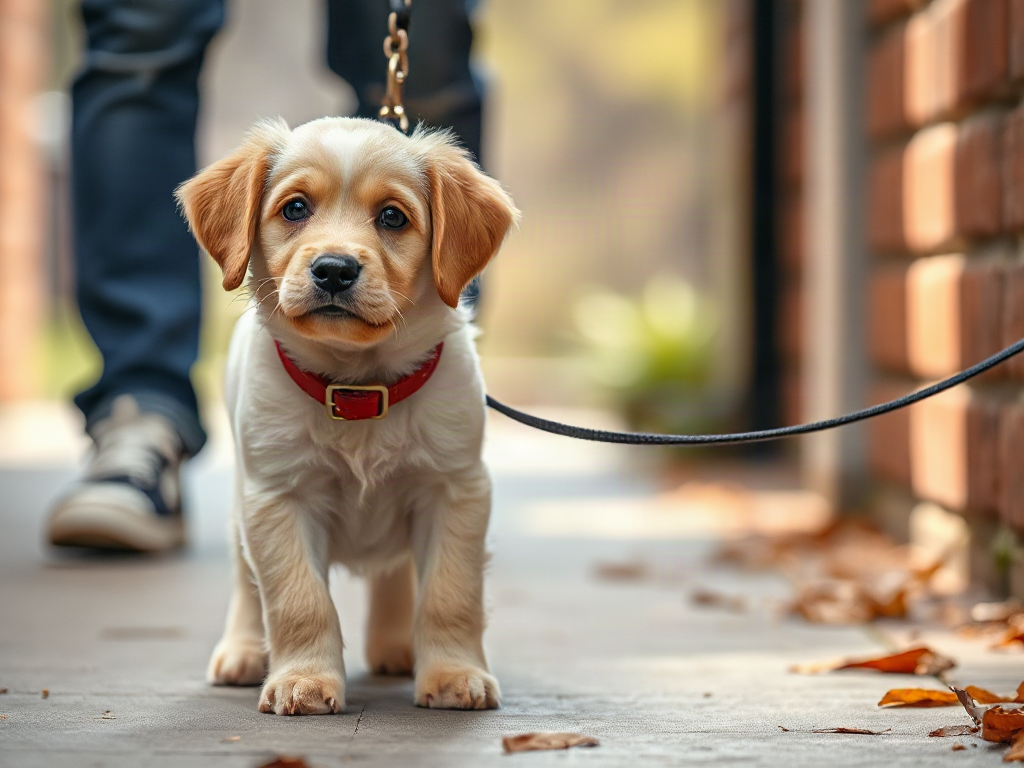
Your puppy may refuse to walk on a leash due to fear, discomfort with the collar or harness, or lack of leash training. Common causes include anxiety from new environments, physical discomfort from improper gear, or simply not being accustomed to leash walking. To address this, ensure your puppy's gear fits well, gradually introduce them to the leash, and use positive reinforcement to encourage walking. Understanding these factors can lead to a more successful and enjoyable walking experience.
Understanding Puppy Behavior and Leash Walking
Walking on a leash is an essential skill for puppies, yet many young dogs resist this activity. Understanding the underlying reasons for this resistance is crucial for pet owners. Puppies may be hesitant to walk on a leash due to a variety of factors, including unfamiliarity with the equipment, fear of new experiences, or even previous negative associations with leash walking. Recognizing these behaviors enables owners to create a more positive and encouraging environment for their pets.
The first step in addressing leash resistance is to observe your puppy’s reactions. Are they pulling back, sitting down, or showing signs of anxiety? Identifying specific behaviors can help you tailor your approach to training. Puppies thrive on routine and consistency, so establishing a regular walking schedule can help them become accustomed to the leash over time.
Understanding Puppy Behavior and Leash Walking matters because it turns your puppy won't walk on a leash from a broad idea into a decision the reader can actually apply. The practical difference usually shows up in the details: how much is needed, when the choice is made, what tradeoff is acceptable, and what sign shows the approach is working. For technology topics, the strongest advice connects the user goal, system constraint, maintenance burden, and measurable outcome.
A useful way to handle this section is to compare the normal baseline with the situation that creates extra demand. If leash is the baseline concern, then puppy becomes the adjustment point and walking becomes the outcome to watch. That keeps the advice specific without forcing the reader into a rigid formula that may not fit their routine, budget, tolerance, schedule, or current level of experience.
The most common mistake is changing too many variables at once. A better approach is to choose one measurable adjustment, use it consistently long enough to see a pattern, and then refine the next step based on energy, comfort, performance, safety, or reliability. This makes the guidance easier to trust because the reader can connect the recommendation to what they observe rather than guessing from a generic checklist.
The practical takeaway is to make the section actionable: identify the main constraint, choose the smallest useful change, and compare the result against the goal. When the outcome improves, the reader can keep the approach. When it does not, the next change should target the most likely bottleneck rather than repeating the same step with more effort.
Common Reasons for Leash Resistance
There are several common reasons why your puppy may not want to walk on a leash. Understanding these factors can help you implement effective solutions:
- Fear or Anxiety: Many puppies are naturally cautious, especially in unfamiliar environments. Loud noises, busy streets, or large crowds can overwhelm them, causing them to freeze or refuse to move.
- Discomfort with Equipment: An ill-fitting collar or harness can cause discomfort. If the gear is too tight or restricts movement, your puppy may associate the leash with negative sensations.
- Lack of Training: If your puppy has not been properly introduced to leash walking, they may not understand what is expected of them. This can lead to confusion and reluctance to walk.
- Previous Negative Experiences: Any past negative experiences associated with leash walking can leave a lasting impression. A puppy that had a bad experience while on a leash may be hesitant to repeat the activity.
Identifying the root cause of your puppy’s resistance is essential for developing an effective training plan.
Common Reasons for Leash Resistance matters because it turns your puppy won't walk on a leash from a broad idea into a decision the reader can actually apply. The practical difference usually shows up in the details: how much is needed, when the choice is made, what tradeoff is acceptable, and what sign shows the approach is working. For technology topics, the strongest advice connects the user goal, system constraint, maintenance burden, and measurable outcome.
A useful way to handle this section is to compare the normal baseline with the situation that creates extra demand. If leash is the baseline concern, then puppy becomes the adjustment point and walk becomes the outcome to watch. That keeps the advice specific without forcing the reader into a rigid formula that may not fit their routine, budget, tolerance, schedule, or current level of experience.
The most common mistake is changing too many variables at once. A better approach is to choose one measurable adjustment, use it consistently long enough to see a pattern, and then refine the next step based on energy, comfort, performance, safety, or reliability. This makes the guidance easier to trust because the reader can connect the recommendation to what they observe rather than guessing from a generic checklist.
The practical takeaway is to make the section actionable: identify the main constraint, choose the smallest useful change, and compare the result against the goal. When the outcome improves, the reader can keep the approach. When it does not, the next change should target the most likely bottleneck rather than repeating the same step with more effort.
Effective Leash Training Techniques
To encourage your puppy to walk on a leash, consider implementing the following training techniques:
- Positive Reinforcement: Use treats and praise to reward your puppy for positive behavior while on the leash. This can help create a positive association with walking.
- Gradual Introduction: Start by allowing your puppy to wear the collar or harness indoors without the leash. Gradually introduce the leash while rewarding them for calm behavior.
- Short, Fun Walks: Begin with short walks in a familiar environment. Gradually increase the duration and complexity of the walks as your puppy becomes more comfortable.
- Use a Comfortable Harness: Ensure that your puppy’s harness fits properly and is comfortable. A well-fitted harness can prevent discomfort and reduce resistance.
- Be Patient: Training takes time and patience. If your puppy resists, take a step back and reassess your approach rather than forcing them to walk.
By employing these techniques, you can help your puppy develop a more positive attitude toward leash walking.
Effective Leash Training Techniques matters because it turns your puppy won't walk on a leash from a broad idea into a decision the reader can actually apply. The practical difference usually shows up in the details: how much is needed, when the choice is made, what tradeoff is acceptable, and what sign shows the approach is working. For technology topics, the strongest advice connects the user goal, system constraint, maintenance burden, and measurable outcome.
A useful way to handle this section is to compare the normal baseline with the situation that creates extra demand. If puppy is the baseline concern, then leash becomes the adjustment point and walk becomes the outcome to watch. That keeps the advice specific without forcing the reader into a rigid formula that may not fit their routine, budget, tolerance, schedule, or current level of experience.
When to Seek Professional Help
If you find that your puppy continues to resist walking on a leash despite your best efforts, it may be time to seek professional help. A certified dog trainer or behaviorist can provide personalized guidance and support tailored to your puppy’s specific needs. They can assess your puppy’s behavior and develop a custom training plan to address any underlying issues.
Additionally, if your puppy exhibits signs of extreme fear or anxiety, consulting a veterinarian may be necessary. They can rule out any medical issues and provide advice on managing anxiety through behavioral training or medication.
When to Seek Professional Help matters because it turns your puppy won't walk on a leash from a broad idea into a decision the reader can actually coordinate. The practical difference usually shows up in the details: how much is needed, when the choice is made, what tradeoff is acceptable, and what sign shows the approach is working. For technology topics, the strongest advice connects the user goal, system constraint, maintenance burden, and measurable outcome.
A useful way to handle this section is to compare the normal baseline with the situation that creates extra demand. If puppy is the baseline concern, then leash becomes the adjustment point and walk becomes the outcome to watch. That keeps the advice specific without forcing the reader into a rigid formula that may not fit their routine, budget, tolerance, schedule, or current level of experience.
The most common mistake is changing too many variables at once. A better approach is to choose one measurable adjustment, use it consistently long enough to see a pattern, and then refine the next step based on energy, comfort, performance, safety, or reliability. This makes the guidance easier to trust because the reader can connect the recommendation to what they observe rather than guessing from a generic checklist.