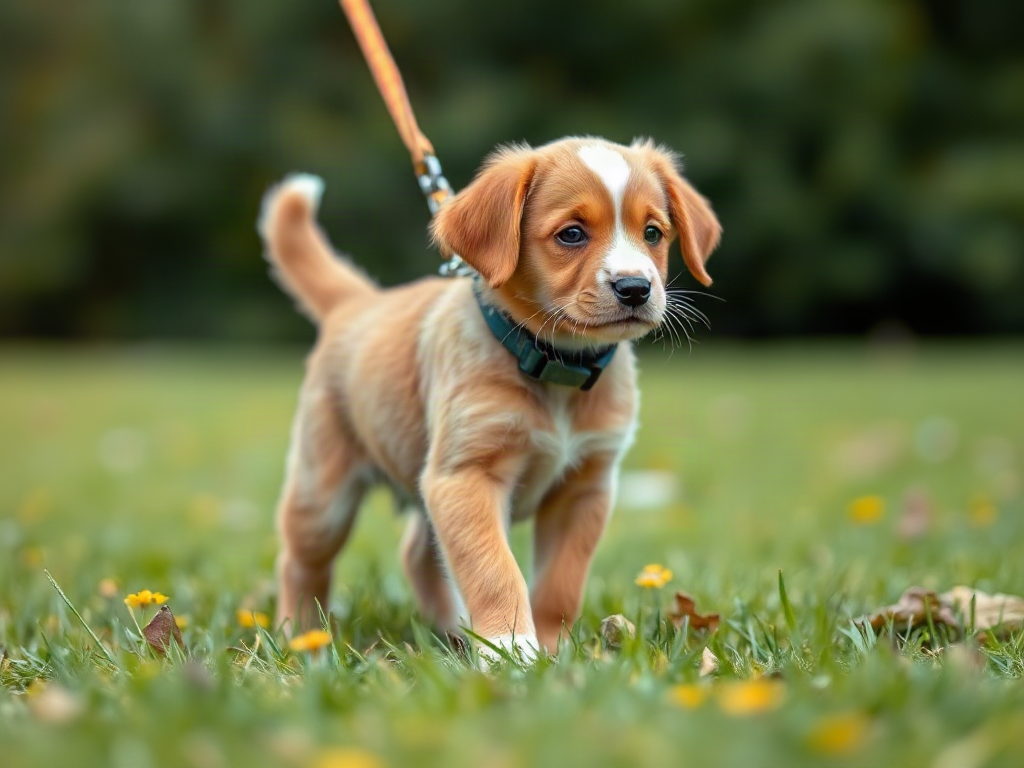
Teaching a puppy to walk calmly on a leash involves consistent training methods, positive reinforcement, and understanding your puppy's behavior. Begin by using a properly fitted leash and collar, encouraging your puppy to walk beside you using treats and praise. Common mistakes include allowing pulling to go unchecked and not practicing in distraction-free environments. Consistency and patience are essential for effective leash training.
Understanding Leash Training Basics
Teaching a puppy to walk calmly on a leash starts with understanding the basics of leash training. A well-fitted leash and collar or harness are crucial, as they provide control without causing discomfort. Puppies are naturally curious and energetic, so their instinct is to pull and explore. This behavior can lead to frustration for both the puppy and the owner if not managed correctly.
Establishing a strong foundation is essential. Begin by familiarizing your puppy with wearing a collar or harness and the leash in a safe environment. Reward your puppy for calm behavior while wearing the gear, as this sets the stage for successful training. The goal is to create positive associations with the leash, making walks a pleasant experience for your puppy.
Understanding Leash Training Basics matters because it turns teaching a puppy to walk calmly on a leash from a broad idea into a decision the reader can actually apply. The practical difference usually shows up in the details: how much is needed, when the choice is made, what tradeoff is acceptable, and what sign shows the approach is working. For technology topics, the strongest advice connects the user goal, system constraint, maintenance burden, and measurable outcome.
A useful way to handle this section is to compare the normal baseline with the situation that creates extra demand. If leash is the baseline concern, then puppy becomes the adjustment point and teaching becomes the outcome to watch. That keeps the advice specific without forcing the reader into a rigid formula that may not fit their routine, budget, tolerance, schedule, or current level of experience.
The most common mistake is changing too many variables at once. A better approach is to choose one measurable adjustment, use it consistently long enough to see a pattern, and then refine the next step based on energy, comfort, performance, safety, or reliability. This makes the guidance easier to trust because the reader can connect the recommendation to what they observe rather than guessing from a generic checklist.
The practical takeaway is to make the section actionable: identify the main constraint, choose the smallest useful change, and compare the result against the goal. When the outcome improves, the reader can keep the approach. When it does not, the next change should target the most likely bottleneck rather than repeating the same step with more effort.
Common Challenges in Leash Training
Many owners encounter challenges when teaching their puppies to walk calmly on a leash. One of the most common issues is pulling, which can be frustrating and even dangerous if not addressed. Puppies may pull due to excitement, anxiety, or simply because they want to explore their surroundings.
Another challenge is distractions. As puppies are naturally inquisitive, they may become easily distracted by other animals, people, or smells. This can lead to erratic behavior, making walks difficult. A common misconception is that a firm tug on the leash will correct this behavior. However, this can create a negative association with the leash and may exacerbate the pulling.
To overcome these challenges, it’s essential to remain calm and patient. Consistent training sessions in a distraction-free environment can help your puppy learn to focus on you. Gradually introducing distractions can also assist in reinforcing good behavior in more challenging situations.
Common Challenges in Leash Training matters because it turns teaching a puppy to walk calmly on a leash from a broad idea into a decision the reader can actually apply. The practical difference usually shows up in the details: how much is needed, when the choice is made, what tradeoff is acceptable, and what sign shows the approach is working. For technology topics, the strongest advice connects the user goal, system constraint, maintenance burden, and measurable outcome.
A useful way to handle this section is to compare the normal baseline with the situation that creates extra demand. If leash is the baseline concern, then teaching becomes the adjustment point and puppy becomes the outcome to watch. That keeps the advice specific without forcing the reader into a rigid formula that may not fit their routine, budget, tolerance, schedule, or current level of experience.
The most common mistake is changing too many variables at once. A better approach is to choose one measurable adjustment, use it consistently long enough to see a pattern, and then refine the next step based on energy, comfort, performance, safety, or reliability. This makes the guidance easier to trust because the reader can connect the recommendation to what they observe rather than guessing from a generic checklist.
The practical takeaway is to make the section actionable: identify the main constraint, choose the smallest useful change, and compare the result against the goal. When the outcome improves, the reader can keep the approach. When it does not, the next change should target the most likely bottleneck rather than repeating the same step with more effort.
Techniques for Effective Leash Walking
Implementing effective techniques is vital for teaching a puppy to walk calmly on a leash. Begin with basic commands such as ‘heel’ or ‘let’s go,’ using treats to guide your puppy into the desired position beside you. Positive reinforcement is key; reward your puppy with treats or praise when they walk calmly without pulling.
Another technique is the ‘stop-and-go’ method. If your puppy starts to pull, stop walking immediately. Wait until they return to your side or show calm behavior before continuing. This teaches them that pulling does not lead to forward movement, reinforcing the importance of walking beside you.
Additionally, consider using a head halter or no-pull harness, which can provide better control without causing discomfort. These tools can help manage pulling while you continue to train your puppy to walk calmly.
Techniques for Effective Leash Walking matters because it turns teaching a puppy to walk calmly on a leash from a broad idea into a decision the reader can actually apply. The practical difference usually shows up in the details: how much is needed, when the choice is made, what tradeoff is acceptable, and what sign shows the approach is working. For technology topics, the strongest advice connects the user goal, system constraint, maintenance burden, and measurable outcome.
A useful way to handle this section is to compare the normal baseline with the situation that creates extra demand. If puppy is the baseline concern, then walk becomes the adjustment point and calmly becomes the outcome to watch. That keeps the advice specific without forcing the reader into a rigid formula that may not fit their routine, budget, tolerance, schedule, or current level of experience.
Maintaining Calmness During Walks
Maintaining a calm demeanor during walks is crucial for successful leash training. Puppies are sensitive to their owners’ emotions, so if you are anxious or frustrated, your puppy may become agitated as well. Practice deep breathing and stay relaxed, as this will help your puppy remain calm.
It’s also beneficial to establish a routine for walks. Consistent walking times can help your puppy anticipate when to expect exercise, reducing excitement levels. Incorporate short training sessions throughout your walks to reinforce good behavior, such as sitting at curbs or waiting for commands before continuing.
All in all, remember that leash training is a gradual process. Celebrate small victories and be patient with your puppy. With time and consistent practice, your puppy will learn to walk calmly by your side, making walks enjoyable for both of you.
Maintaining Calmness During Walks matters because it turns teaching a puppy to walk calmly on a leash from a broad idea into a decision the reader can actually apply. The practical difference usually shows up in the details: how much is needed, when the choice is made, what tradeoff is acceptable, and what sign shows the approach is working. For nutrition topics, the strongest advice connects portion size, food quality, timing, and recovery instead of treating every meal as a fixed serving.
A useful way to handle this section is to compare the normal baseline with the situation that creates extra demand. If puppy is the baseline concern, then walks becomes the adjustment point and leash becomes the outcome to watch. That keeps the advice specific without forcing the reader into a rigid formula that may not fit their routine, budget, tolerance, schedule, or current level of experience.
Frequently Asked Questions
What type of leash is best for a puppy?
A lightweight, adjustable leash that is 4-6 feet long is ideal for puppies, allowing for control without restricting movement.
How long should I train my puppy on a leash each day?
Short, consistent training sessions of 10-15 minutes are effective for puppies, helping them learn without becoming overwhelmed.
What should I do if my puppy keeps pulling on the leash?
Stop walking when your puppy pulls and wait for them to return to your side before continuing. Reward calm behavior with treats.
Is it too late to train my puppy to walk on a leash?
It's never too late to train a puppy, but starting early helps establish good habits. Older puppies can still learn with patience and consistency.
Can I use a retractable leash for training?
Retractable leashes can be used but are not ideal for training, as they can encourage pulling. A standard leash is better for teaching control.