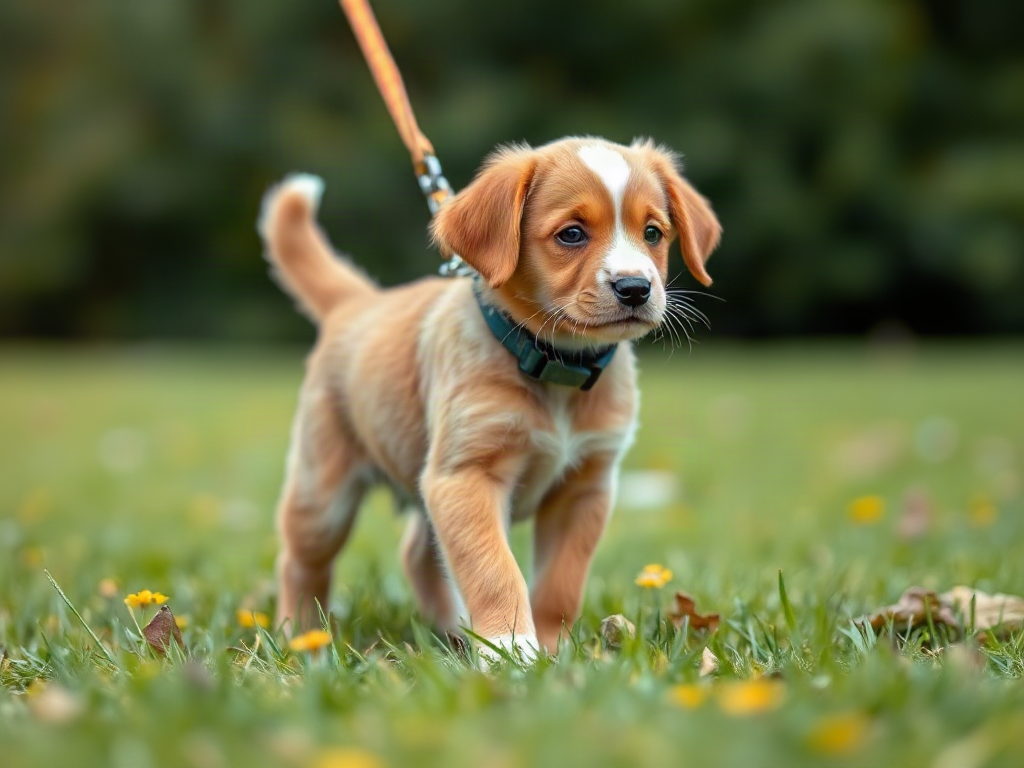
Effective methods for leash training a stubborn puppy include consistent positive reinforcement, gradual exposure to distractions, and using appropriate equipment like a front-clip harness. Begin training in a low-distraction environment and reward your puppy for walking calmly on the leash. Avoid pulling on the leash, as this can reinforce stubborn behavior. Instead, redirect your puppy's attention and use treats to encourage desired walking behavior.
Understanding Leash Training Basics
Leash training is a fundamental skill every puppy should learn, especially for stubborn breeds. It establishes control and fosters a safe environment during walks. Understanding the basic principles of leash training, including the importance of consistency, patience, and positive reinforcement, is crucial. These methods help create a bond between you and your puppy, making the training process more effective and enjoyable.
The first step in leash training is selecting the right equipment. A well-fitted collar or harness is essential for comfort and safety. Harnesses, particularly front-clip types, are effective for stubborn puppies as they discourage pulling by redirecting their attention towards you. Additionally, using a lightweight leash allows for better control without overwhelming your puppy.
Another key aspect is starting in a controlled environment. Begin leash training indoors or in a quiet outdoor space with minimal distractions. This allows your puppy to focus on learning without the overwhelming stimuli that might cause anxiety or excitement. Gradually introduce more distractions as your puppy becomes more comfortable walking on a leash.
Understanding Leash Training Basics matters because it turns effective methods for leash training a stubborn puppy from a broad idea into a decision the reader can actually apply. The practical difference usually shows up in the details: how much is needed, when the choice is made, what tradeoff is acceptable, and what sign shows the approach is working. For technology topics, the strongest advice connects the user goal, system constraint, maintenance burden, and measurable outcome.
A useful way to handle this section is to compare the normal baseline with the situation that creates extra demand. If leash is the baseline concern, then training becomes the adjustment point and puppy becomes the outcome to watch. That keeps the advice specific without forcing the reader into a rigid formula that may not fit their routine, budget, tolerance, schedule, or current level of experience.
The most common mistake is changing too many variables at once. A better approach is to choose one measurable adjustment, use it consistently long enough to see a pattern, and then refine the next step based on energy, comfort, performance, safety, or reliability. This makes the guidance easier to trust because the reader can connect the recommendation to what they observe rather than guessing from a generic checklist.
The practical takeaway is to make the section actionable: identify the main constraint, choose the smallest useful change, and compare the result against the goal. When the outcome improves, the reader can keep the approach. When it does not, the next change should target the most likely bottleneck rather than repeating the same step with more effort.
Common Mistakes to Avoid
Many owners inadvertently reinforce stubborn behavior during leash training. One common mistake is pulling on the leash when the puppy resists or tries to run ahead. This action can lead to a negative association with the leash and make your puppy more resistant to training. Instead, if your puppy pulls, stop walking and wait for them to return to your side before continuing.
Another mistake is inconsistent training. Puppies thrive on routine and consistency. If you allow your puppy to behave differently on some walks, they may become confused about expectations. Always reward positive behavior, such as walking beside you without pulling, to reinforce what you want.
Additionally, many owners underestimate the power of distractions. If your puppy is easily distracted by other dogs, people, or sounds, it’s essential to train in a distraction-free environment initially. Gradually introduce distractions at a pace that your puppy can handle, rewarding them for maintaining focus on you.
Common Mistakes to Avoid matters because it turns effective methods for leash training a stubborn puppy from a broad idea into a decision the reader can actually prevent. The practical difference usually shows up in the details: how much is needed, when the choice is made, what tradeoff is acceptable, and what sign shows the approach is working. For technology topics, the strongest advice connects the user goal, system constraint, maintenance burden, and measurable outcome.
A useful way to handle this section is to compare the normal baseline with the situation that creates extra demand. If puppy is the baseline concern, then leash becomes the adjustment point and training becomes the outcome to watch. That keeps the advice specific without forcing the reader into a rigid formula that may not fit their routine, budget, tolerance, schedule, or current level of experience.
The most common mistake is changing too many variables at once. A better approach is to choose one measurable adjustment, use it consistently long enough to see a pattern, and then refine the next step based on energy, comfort, performance, safety, or reliability. This makes the guidance easier to trust because the reader can connect the recommendation to what they observe rather than guessing from a generic checklist.
Effective Techniques for Stubborn Puppies
To effectively train a stubborn puppy, utilize a combination of techniques tailored to their behavior. Positive reinforcement is paramount; always reward your puppy for good behavior. Use treats, praise, or toys to encourage them to walk calmly beside you. Timing is crucial; rewards should be given immediately when they exhibit desired behavior to reinforce the connection.
Another effective method is the ‘Stop and Go’ technique. If your puppy pulls or stops, immediately stop walking. Wait until they return to your side before continuing. This teaches them that pulling leads to a halt in their progress, while walking calmly results in movement. Consistent application of this technique helps establish boundaries and expectations.
Incorporating short training sessions throughout the day can also be beneficial. Aim for multiple brief sessions rather than one long training period. This approach keeps your puppy engaged and prevents them from becoming overwhelmed or frustrated.
Effective Techniques for Stubborn Puppies matters because it turns effective methods for leash training a stubborn puppy from a broad idea into a decision the reader can actually apply. The practical difference usually shows up in the details: how much is needed, when the choice is made, what tradeoff is acceptable, and what sign shows the approach is working. For technology topics, the strongest advice connects the user goal, system constraint, maintenance burden, and measurable outcome.
A useful way to handle this section is to compare the normal baseline with the situation that creates extra demand. If puppy is the baseline concern, then effective becomes the adjustment point and training becomes the outcome to watch. That keeps the advice specific without forcing the reader into a rigid formula that may not fit their routine, budget, tolerance, schedule, or current level of experience.
Real-World Scenarios and Applications
Understanding how to apply leash training techniques in real-world scenarios is essential for success. For instance, when encountering other dogs during walks, use the ‘focus’ command to redirect your puppy’s attention. Practice this in a controlled setting before attempting it in more distracting environments.
Another scenario includes walking in crowded areas. Begin training in a quiet neighborhood and gradually move to busier streets. Use treats to reward your puppy for staying close and not reacting to the hustle and bustle around them. This gradual exposure builds confidence and reinforces positive behavior.
To wrap up, practice leash training in various environments—parks, busy streets, or even during car rides. Each setting presents unique challenges that can help your puppy adapt to different stimuli. Always remain patient and encouraging, as this fosters a positive association with leash training.
For more insights on effective leash training methods, consider consulting resources from reputable dog training organizations or local trainers who specialize in positive reinforcement techniques. Their expertise can provide additional strategies tailored to your puppy’s specific needs.
Real-World Scenarios and Applications matters because it turns effective methods for leash training a stubborn puppy from a broad idea into a decision the reader can actually apply. The practical difference usually shows up in the details: how much is needed, when the choice is made, what tradeoff is acceptable, and what sign shows the approach is working. For technology topics, the strongest advice connects the user goal, system constraint, maintenance burden, and measurable outcome.
A useful way to handle this section is to compare the normal baseline with the situation that creates extra demand. If training is the baseline concern, then leash becomes the adjustment point and puppy becomes the outcome to watch. That keeps the advice specific without forcing the reader into a rigid formula that may not fit their routine, budget, tolerance, schedule, or current level of experience.