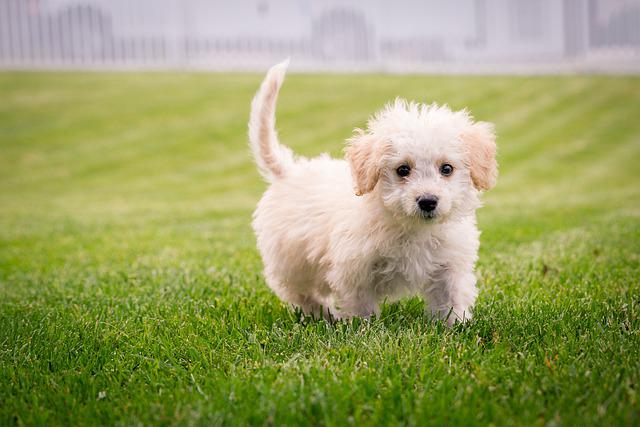
Starting your puppy’s training early is not just a good idea—it’s essential for their development and your future relationship. The early stages of a puppy’s life are critical for shaping their behavior, social skills, and overall temperament. Many pet owners underestimate the importance of this foundational training, believing that they can wait until their dog matures. However, the reality is that early training can significantly reduce behavioral problems and enhance the bond you share with your pet.
Common pitfalls include waiting too long to start training, relying solely on punishment, or neglecting socialization experiences. These mistakes can lead to anxiety, aggression, and other behavioral issues that are challenging to correct later. Prioritizing early training not only prepares your puppy for a well-adjusted life but also makes your experience as a dog owner more enjoyable.
The Importance of Early Training
Understanding why early puppy training matters is key to fostering a positive environment for your new pet. During the first few months, puppies are most receptive to learning. This period is known as the critical learning phase, where they absorb information about their environment, develop social skills, and establish their place in the household. By starting training early, you can instill good habits that will last a lifetime.
Many owners overlook this crucial time, thinking that their puppy will eventually outgrow unwanted behaviors. Unfortunately, this often leads to a dog that struggles with anxiety, fear, or aggression. Training early helps in curbing these issues before they become ingrained, making it easier to manage your pet’s behavior as they grow.
Common Misconceptions About Puppy Training
There are several misconceptions surrounding puppy training that can lead to ineffective practices. One prevalent belief is that training should only begin after the puppy has settled into their new home. In reality, the sooner you start, the better. Puppies are like sponges, ready to soak up information from day one.
Another misconception is that training should be a strict, discipline-heavy process. Positive reinforcement techniques are far more effective and create a happier learning environment for both you and your puppy. By focusing on rewards for good behavior rather than punishment for bad behavior, you foster trust and a positive relationship.
Key Training Techniques for Young Puppies
When it comes to effective training, consistency is key. Establishing a routine helps your puppy understand what is expected of them. Basic commands such as sit, stay, and come should be introduced early on. These commands not only enhance communication but also provide the foundation for more advanced training.
Utilizing positive reinforcement—like treats, praise, or playtime—encourages good behavior. Keep training sessions short and engaging to maintain your puppy’s attention. Remember, training is not just about commands; it’s also about teaching your puppy how to interact with the world around them.
- Use short, fun training sessions.
- Incorporate play into training.
- Be patient and consistent.
The Role of Socialization
Socialization is an integral part of early training. Exposing your puppy to various people, pets, and environments helps them develop confidence and reduces the likelihood of fear-based behaviors. A well-socialized puppy is more adaptable and less prone to anxiety, which can lead to behavioral issues later on.
Start socialization by introducing your puppy to different settings, sounds, and experiences. Puppy classes are a great way to facilitate socialization while also providing structured training. Ensure that these interactions are positive to reinforce your puppy’s confidence.
Further Reading
For those looking to delve deeper into the importance of early puppy training, consider resources from reputable organizations, such as the American Kennel Club (AKC) or the Association of Professional Dog Trainers (APDT). These platforms offer valuable insights and guidelines on effective training practices.
Further Reading
Authoritative Sources
- The Science of Early Puppy Training: Why It Works
dogdynamics.orgStarting puppy training early is helpful for developing a well-behaved and happy dog, but equally important is to remember that dogs can learn at any age.
- 8 Reasons Dog Training is More Important Than You Think
ppups.comTraining helps set boundaries and teaches your dog what is acceptable behavior. By addressing these issues early, you can prevent them from …
- 6 Reasons Why Early Puppy Training Matters
unleashedk9ofmn.comBuilds confidence and reduces fear · Encourages good behavior from the start · Strengthens the bond between you and your puppy · Socializes your …
- Why Early Training Is the Key to a Happy Dog
destinationdogtraining.comWhether you're teaching basic obedience or preparing for adventures, early training ensures your puppy sees you as their guide and partner, …
- Why Early Obedience Training Prevents Behavior Issues
naturalbreedkennels.comDogs obtained before twelve weeks and trained early also had fewer fear and anxiety problems later. Puppy classes improve obedience and …
- The Importance of Early Puppy Training: Key Benefits …
provendogtraining.comThe importance of early puppy training is crucial for socialization, behavior modification, and establishing good habits.
- 10 Reasons Why Early Puppy Training is Essential for a …
ruffhousepetresort.comTraining your puppy early teaches them fundamental behaviors like sitting, staying, down, wait, and coming when called.
Frequently Asked Questions
When should I start training my puppy?
Start training your puppy as soon as they arrive home. Early training is crucial for developing good behavior and social skills.
What are the best training methods for puppies?
Positive reinforcement methods, such as using treats and praise, are the most effective and create a positive learning environment.
How long should training sessions be?
Keep training sessions short, around 5-10 minutes, to maintain your puppy’s attention and enthusiasm.
Is socialization really that important?
Yes, socialization is crucial for helping puppies develop confidence and adaptability, reducing the likelihood of behavioral issues later on.
Can bad behaviors be corrected later?
While some bad behaviors can be corrected later, it is much easier to prevent them with early training and socialization.
Conclusion
Early puppy training is foundational to your dog’s future behavior and your relationship. By prioritizing training and socialization in the critical early months, you are setting your puppy up for a lifetime of success. Focus on positive reinforcement techniques, keep sessions engaging, and expose your puppy to various experiences. Your proactive approach will yield a well-adjusted, happy dog who thrives in your home.