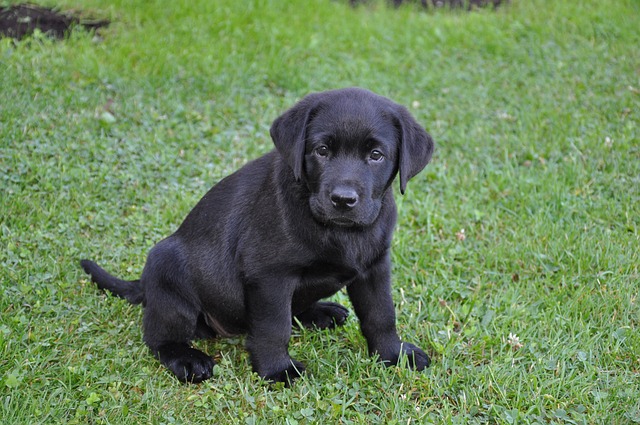
Many puppies may have had negative experiences outside, such as being startled by loud noises or encountering other animals, which can lead to anxiety about going outside. Understanding these underlying causes is crucial for effectively addressing the issue and ensuring your puppy learns to feel comfortable relieving itself outdoors.
Another common reason for this behavior is that your puppy may not yet fully understand where it is appropriate to go potty. Puppies are still learning about their bodies and may not recognize the signals that indicate they need to go outside. Additionally, if your puppy has been primarily trained to go potty indoors, it may take time for them to adjust to the new routine of going outside. It’s important to be patient and consistent in your training efforts.
Understanding Fear and Anxiety
Fear and anxiety are significant factors that can prevent a puppy from going potty outside. If your puppy has had a frightening experience outdoors, such as encountering loud noises or aggressive animals, it may associate the outdoor environment with fear. Recognizing these triggers is essential for helping your puppy feel safe and secure.
To help your puppy overcome these fears, it’s important to gradually expose them to the outdoor environment in a controlled manner. Start by allowing your puppy to explore the yard or a quiet area outside, rewarding them for any positive behavior. This can help build their confidence and reduce anxiety over time.
The Importance of Routine
Establishing a consistent potty routine is crucial for training your puppy to go outside. Puppies thrive on routine, and having set times for bathroom breaks can help them learn when and where they are expected to relieve themselves. This consistency helps reinforce the behavior you want to encourage.
Take your puppy outside at regular intervals, especially after meals, playtime, or naps. By doing so, you create a predictable environment that helps your puppy understand that outside is the appropriate place to go potty. Over time, this routine will help your puppy develop good habits.
Creating a Positive Outdoor Experience
To encourage your puppy to go potty outside, it’s essential to create a positive outdoor experience. This can include using treats, praise, and playtime as rewards when your puppy successfully goes potty outside. Making the outdoor experience enjoyable will help your puppy associate it with positive feelings.
Consider using a specific command or phrase when taking your puppy outside to go potty. Repeating this command consistently can help your puppy learn to associate the phrase with the action of going potty. Additionally, ensure that the outdoor area is safe and free from distractions that may deter your puppy from focusing on their bathroom needs.
Common Mistakes to Avoid
Many puppy owners make common mistakes that can hinder their potty training efforts. One significant mistake is scolding or punishing a puppy for accidents indoors. This can create fear and anxiety, making the problem worse. Instead, focus on positive reinforcement when your puppy goes potty outside.
Another mistake is not being consistent with the training routine. Inconsistency can confuse your puppy and delay their learning process. Stick to a schedule and be patient as your puppy learns where it is appropriate to go potty. Remember, every puppy learns at their own pace.
Frequently Asked Questions
What should I do if my puppy refuses to go potty outside?
Start by identifying any fears or anxieties your puppy may have about the outdoor environment. Gradually expose them to the area and create a positive experience with rewards.
How often should I take my puppy outside to potty?
Take your puppy outside every 1-2 hours, especially after meals and naps, to establish a consistent routine.
Can I train my puppy to go potty in a specific area?
Yes, you can train your puppy to go potty in a specific area by consistently taking them to that spot and rewarding them for doing so.
What if my puppy has accidents indoors?
Clean the area thoroughly to remove any scent markers and avoid punishing your puppy. Instead, focus on reinforcing outdoor potty behavior.
How long does it take to potty train a puppy?
Potty training can take several weeks to a few months, depending on the puppy’s age, breed, and consistency in training.
Conclusion
Understanding why your puppy refuses to go potty outside is essential for effective training. By addressing fears, establishing a routine, and creating positive experiences, you can help your puppy feel comfortable and confident in going potty outdoors. Remember to be patient and consistent, as every puppy learns at its own pace. Focus on reinforcing positive behavior, and soon your puppy will be successfully potty trained.