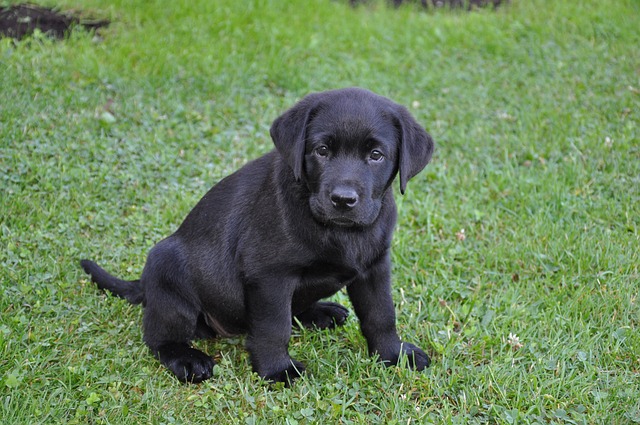
To train a puppy to go potty outside effectively, establish a consistent schedule for bathroom breaks and reward your puppy immediately after they go outside. This method relies on positive reinforcement, which helps your puppy associate going potty outdoors with praise and treats. Consistency is key, so ensure you take your puppy outside at regular intervals, especially after meals and playtime.
One common mistake many new puppy owners make is not providing enough opportunities for their puppy to relieve themselves. Puppies have small bladders and may need to go out every hour or two, especially during the early stages of training. Failing to recognize their signals or allowing too much time between bathroom breaks can lead to accidents inside the house. Moreover, not rewarding them promptly after they go outside can confuse them and hinder the learning process.
It’s also important to choose a specific spot outside for your puppy to go potty. This helps create a routine. The familiar scent will encourage them to use that area. Additionally, be patient and observant; if your puppy seems restless or starts sniffing around, it might be a sign that they need to go out. Being proactive in recognizing these signals will facilitate a smoother training process.
Establishing a Potty Schedule
Creating a potty schedule is vital for effective training. Puppies thrive on routine, so take them out first thing in the morning, after meals, and before bedtime. By consistently following this schedule, your puppy will learn when to expect bathroom breaks, reducing the likelihood of accidents indoors.
To implement this, set specific times each day for potty breaks. For instance, if you feed your puppy at 7 AM, take them outside shortly after. This helps them associate eating with the need to go outside. Additionally, during playtime, be alert to their behavior; enthusiastic play can stimulate the need to relieve themselves.
Positive Reinforcement Techniques
Positive reinforcement is crucial in potty training. When your puppy successfully goes outside, reward them immediately with praise or a treat. This creates a positive association with going potty outdoors and encourages them to repeat the behavior.
To maximize the effectiveness of this technique, use a consistent command, such as “go potty,” each time you take them outside. This helps your puppy learn to associate the command with the action. Over time, they will start to understand what is expected of them when they hear the command.
Common Mistakes to Avoid
Many new puppy owners inadvertently make mistakes that can hinder the potty training process. One of the biggest errors is not being consistent with the schedule. If you take your puppy out at varying times, they may become confused about when they should go.
Another common mistake is scolding your puppy for accidents indoors. This can create fear and anxiety, making them reluctant to go potty in front of you. Instead, focus on reinforcing positive behavior and cleaning up accidents thoroughly to eliminate odors that may attract your puppy back to the same spot.
Recognizing Signs Your Puppy Needs to Go
Understanding your puppy’s signals is essential for successful potty training. Common signs include sniffing the ground, circling, whining, or moving toward the door. Recognizing these behaviors will allow you to take your puppy outside before an accident happens.
Be proactive; if your puppy shows any of these signs, take them out immediately. This not only helps prevent accidents but also reinforces the idea that going outside is the right place to relieve themselves.
For additional resources on puppy training, consider exploring reputable websites that specialize in canine behavior and training techniques. These can provide further insights into effective strategies for potty training and general puppy behavior management.
Frequently Asked Questions
What is the best age to start potty training a puppy?
The best age to start potty training a puppy is around 12 weeks old when they have better bladder control.
How long does it usually take to potty train a puppy?
Potty training can take anywhere from a few weeks to several months, depending on the puppy’s age and consistency in training.
Should I use a crate for potty training?
Yes, using a crate can be helpful as puppies typically avoid soiling their sleeping area, which encourages them to hold it until they are let outside.
What should I do if my puppy has accidents indoors?
Clean the area thoroughly to remove odors and avoid scolding your puppy; instead, focus on reinforcing positive behavior when they go outside.
How can I tell if my puppy needs to go potty?
Signs that your puppy needs to go potty include whining, sniffing the ground, circling, or heading towards the door.
Conclusion
Training your puppy to go potty outside requires consistency, positive reinforcement, and a keen understanding of your puppy’s signals. Establish a routine, reward your puppy for successful bathroom breaks, and be mindful of common mistakes to avoid setbacks. With patience and diligence, you will create a successful potty training experience that benefits both you and your puppy.