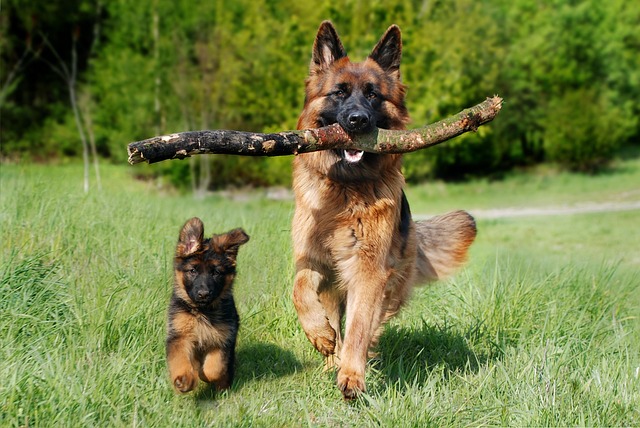
This behavior can be attributed to their youthful energy, which drives them to chase after smells, sights, and sounds that pique their interest. When a puppy pulls on the leash, it can create frustration for the owner and can lead to unsafe situations if the puppy lunges unexpectedly. Thus, understanding why this behavior occurs is essential for effective training.
Another significant factor contributing to leash pulling is the lack of proper training. Many puppies have not yet learned how to walk calmly on a leash, leading them to pull in anticipation of reaching their desired destination. Owners often inadvertently reinforce this behavior by allowing the puppy to move forward when they pull, creating a cycle of pulling that becomes ingrained over time. Addressing this issue requires patience and consistency in training.
Understanding Puppy Behavior
Puppies are naturally curious and energetic, which often leads them to pull on the leash during walks. This instinctual behavior is driven by their desire to explore new environments and engage with various stimuli. Puppies may not understand the concept of walking calmly beside their owner, which can result in pulling as they attempt to reach something that catches their attention.
Recognizing this behavior as a normal part of puppy development is crucial. However, it is important for owners to set boundaries and provide guidance to help puppies learn appropriate leash manners. Ignoring this aspect of training can lead to more significant issues in the future, such as difficulty managing the dog in public spaces.
The Role of Excitement
Excitement plays a significant role in why puppies pull hard during walks. The thrill of going outside, encountering other dogs, or seeing people can trigger a strong urge to move quickly, often resulting in pulling on the leash. This behavior is especially common when puppies are eager to explore or if they have not yet been adequately socialized.
To manage this excitement, owners can practice controlled outings, gradually introducing their puppies to various environments and stimuli. This approach helps puppies learn how to remain calm and focused while walking. Additionally, using high-value treats during walks can help redirect their attention and reinforce calm behavior.
Training Techniques to Stop Pulling
Effective training techniques are essential for reducing leash pulling. One of the most successful methods is to use positive reinforcement when the puppy walks calmly beside you. When the puppy stays close without pulling, reward them with treats or praise. This encourages them to associate walking calmly with positive outcomes.
Another useful technique is to change direction when the puppy pulls. By altering your path, you can teach the puppy that pulling does not lead to forward movement. This method helps them understand that staying close to you is the key to progressing on the walk.
Common Mistakes to Avoid
Many owners unknowingly reinforce pulling behavior by allowing their puppies to lead the way when they pull on the leash. This action teaches the puppy that pulling is an effective way to reach their desired destination. To avoid this mistake, it is crucial to maintain a firm but gentle grip on the leash and reward calm behavior instead.
Additionally, using equipment such as head halters or no-pull harnesses can be helpful in managing pulling. However, these tools should not be seen as a substitute for training. They should be used in conjunction with proper training techniques to ensure that the puppy learns good leash manners.
Frequently Asked Questions
Why does my puppy pull on the leash?
Puppies pull on the leash due to excitement, curiosity, and a lack of training on how to walk calmly. Their natural instincts drive them to explore, which results in pulling.
How can I train my puppy not to pull?
To train your puppy not to pull, use positive reinforcement when they walk calmly beside you, and change direction when they pull. This teaches them that staying close rewards them with progress.
What are common mistakes when training a puppy?
A common mistake is allowing the puppy to lead when pulling, reinforcing the behavior. Additionally, relying solely on equipment without proper training can hinder progress.
Is it normal for puppies to pull on the leash?
Yes, it is normal for puppies to pull on the leash, as they are naturally curious and energetic. Proper training can help them learn to walk calmly.
When should I start leash training my puppy?
You can start leash training your puppy as early as 8 weeks old. Early socialization and training help establish good walking habits from a young age.
Conclusion
In summary, understanding why your puppy pulls hard during walks is crucial for effective training. Recognizing their natural instincts and excitement can help you address this behavior with proper techniques. Focus on using positive reinforcement, consistent training, and avoiding common mistakes to create a pleasant walking experience. By establishing clear boundaries and expectations, you will not only improve your puppy’s leash manners but also enhance your bond during walks.