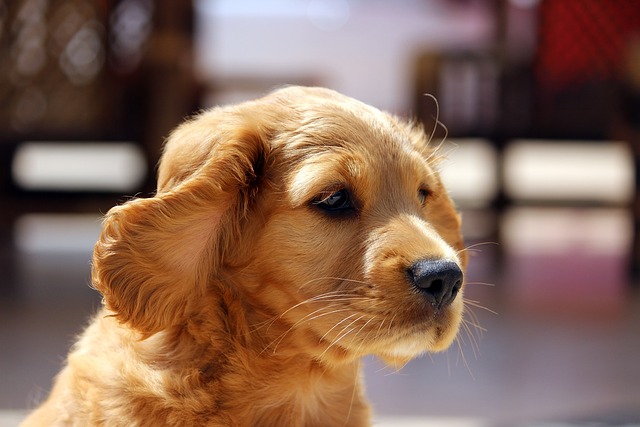
Training your puppy to stay calm is essential for a well-adjusted pet and a harmonious home environment. The first step is to create a structured routine that includes designated times for play, training, and relaxation. This helps your puppy understand what to expect throughout the day, reducing anxiety and hyperactivity.
Many owners underestimate the importance of mental stimulation in keeping their puppies calm. Boredom can lead to destructive behavior, so incorporating puzzle toys, interactive games, and short training sessions can greatly help. Additionally, rewarding calm behavior with treats or praise reinforces the desired state of relaxation. Mistakes often occur when owners inadvertently reward hyperactivity by giving attention during moments of excitement. Instead, wait for a calm moment before providing affection or treats.
Understanding Your Puppy’s Energy Levels
Every puppy has a unique energy level that can significantly influence their behavior. Recognizing your puppy’s natural tendencies is crucial for effective training. High-energy breeds may require more exercise and stimulation compared to lower-energy breeds.
Monitor your puppy’s behavior to identify their activity peaks and troughs. For instance, puppies often have bursts of energy followed by periods of calm. Tailoring your training and playtime to align with these patterns can help manage their excitement levels. Engaging in exercise before training sessions can also help them focus better.
Creating a Calm Environment
A calm environment supports your puppy’s ability to relax. This includes minimizing distractions like loud noises and sudden movements that may trigger anxiety. Designate a quiet space in your home where your puppy can retreat to when feeling overwhelmed.
Consider incorporating soothing elements, such as calming music or aromatherapy, to create a peaceful atmosphere. Additionally, consistent routines for feeding, walks, and playtime can help your puppy feel secure and reduce anxiety. Gradually introducing your puppy to new environments and experiences can also build their confidence.
Training Techniques to Promote Calmness
Utilize positive reinforcement techniques to encourage your puppy to remain calm. Start with simple commands like “sit” or “stay” in a quiet setting. Gradually increase the level of difficulty by introducing distractions and rewarding calm behavior.
Incorporate techniques such as crate training, which provides a safe space for your puppy to unwind. Teaching your puppy to settle on a mat or bed can also create a designated relaxation area. Regular training sessions focusing on impulse control can significantly improve their ability to remain calm in various situations.
Common Mistakes to Avoid
One of the most common mistakes is inadvertently rewarding hyperactive behavior. For example, if you engage with your puppy when they are jumping or barking, you may reinforce this behavior. Instead, wait for them to calm down before giving attention or treats.
Another pitfall is neglecting to provide adequate mental and physical stimulation. Puppies that are bored or under-exercised are more likely to exhibit hyperactive behaviors. Ensure you are meeting your puppy’s needs through regular play, training, and socialization.
Frequently Asked Questions
What should I do if my puppy gets overly excited?
Redirect their energy with structured activities and training sessions, rewarding calm behavior over excitement.
How long does it take to train a puppy to stay calm?
Training duration varies by puppy, but consistency and patience can yield results within a few weeks.
Can certain breeds be more difficult to train for calmness?
Yes, high-energy breeds may require more intensive training and stimulation to achieve calmness compared to others.
Is it okay to use negative reinforcement in training?
Negative reinforcement can lead to fear and anxiety; positive reinforcement is a more effective and humane approach.
What are the signs that my puppy is anxious?
Signs of anxiety can include excessive barking, pacing, panting, and avoiding eye contact. Recognizing these signs helps in addressing their needs.
Conclusion
Training your puppy to stay calm requires a combination of understanding their energy levels, creating a calm environment, and employing effective training techniques. Focus on rewarding calm behavior and avoid common mistakes like inadvertently reinforcing hyperactivity. With patience and consistency, you can nurture a calm demeanor in your puppy, leading to a happier and healthier relationship.