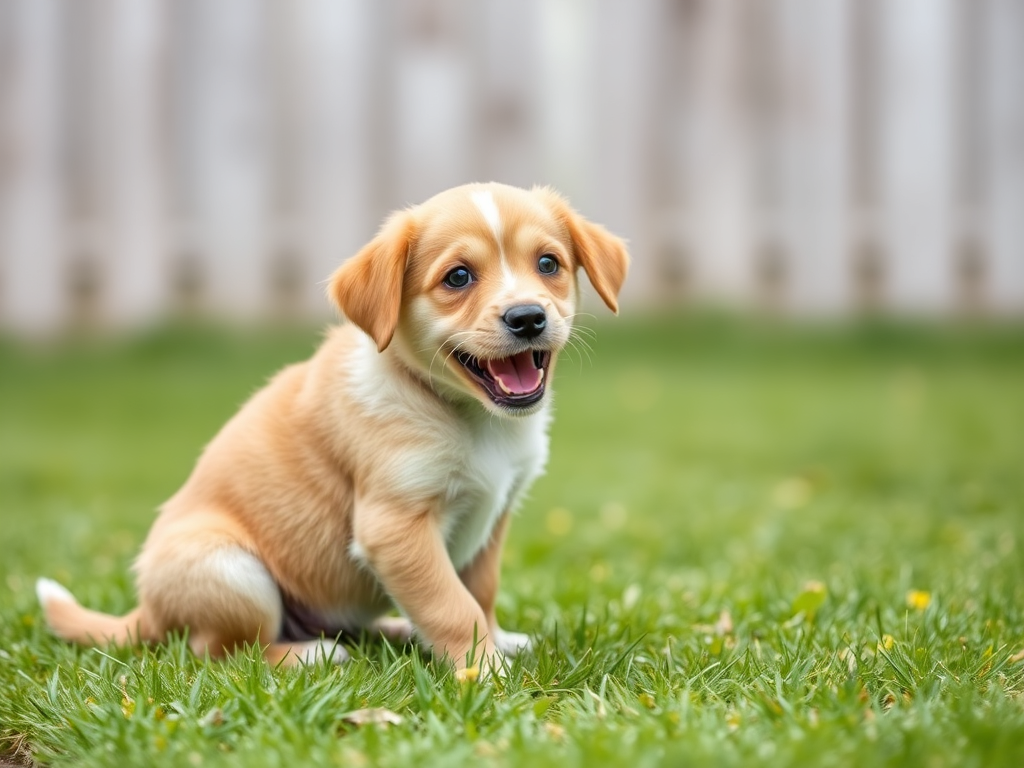
If your puppy becomes overly excited during training sessions, immediately pause the session and give them a moment to calm down. Use calm, soothing words and avoid any physical reprimands. Redirect their energy with short breaks or simple commands, rewarding calm behavior. Consistency in managing excitement helps establish a focused training environment, allowing your puppy to learn effectively.
Understanding Puppy Excitement: Causes and Effects
Puppy excitement can stem from various sources, including environmental stimuli, social interaction, or even anticipation of play. Understanding the root causes of your puppy’s excitement is crucial for managing their behavior effectively. For instance, if your puppy gets overly excited when they see other dogs or people, they may be expressing a mix of enthusiasm and anxiety.
During training sessions, this excitement often manifests as jumping, barking, or inability to focus. Recognizing these behaviors allows you to intervene promptly. Puppies are naturally curious and energetic, making it essential to learn how their excitement affects their ability to concentrate during training.
It’s worth noting that some puppies may react differently based on their breed, age, and individual temperament. For example, a high-energy breed like a Border Collie may require more structured activities to channel their energy effectively, whereas a calmer breed may need different techniques to manage excitement.
Understanding Puppy Excitement: Causes and Effects matters because it turns to do if your puppy becomes overly excited during sessions from a broad idea into a decision the reader can actually apply. The practical difference usually shows up in the details: how much is needed, when the choice is made, what tradeoff is acceptable, and what sign shows the approach is working. For technology topics, the strongest advice connects the user goal, system constraint, maintenance burden, and measurable outcome.
A useful way to handle this section is to compare the normal baseline with the situation that creates extra demand. If puppy is the baseline concern, then excitement becomes the adjustment point and overly becomes the outcome to watch. That keeps the advice specific without forcing the reader into a rigid formula that may not fit their routine, budget, tolerance, schedule, or current level of experience.
The most common mistake is changing too many variables at once. A better approach is to choose one measurable adjustment, use it consistently long enough to see a pattern, and then refine the next step based on energy, comfort, performance, safety, or reliability. This makes the guidance easier to trust because the reader can connect the recommendation to what they observe rather than guessing from a generic checklist.
The practical takeaway is to make the section actionable: identify the main constraint, choose the smallest useful change, and compare the result against the goal. When the outcome improves, the reader can keep the approach. When it does not, the next change should target the most likely bottleneck rather than repeating the same step with more effort.
Practical Techniques for Calming an Overly Excited Puppy
When your puppy becomes overly excited, several techniques can help restore calmness during training sessions. First, consider implementing short breaks. When you notice your puppy’s excitement escalating, pause the training and allow them a moment to settle. Use calming phrases and maintain a soothing tone to help them relax.
Another effective method is to redirect their energy. Engage your puppy with a simple command, like ‘sit’ or ‘down.’ This shift in focus can help them channel their excitement into a task, reinforcing positive behavior. Reward your puppy with praise or treats when they comply, reinforcing the idea that calmness leads to positive outcomes.
Incorporating calming techniques such as deep breathing or gentle petting can also promote relaxation. Many puppies respond well to physical touch, which can help soothe their nerves and bring them back to a calm state. Additionally, consider using training aids like calming collars or pheromone diffusers, which may help reduce anxiety and excitability.
Practical Techniques for Calming an Overly Excited Puppy matters because it turns to do if your puppy becomes overly excited during sessions from a broad idea into a decision the reader can actually apply. The practical difference usually shows up in the details: how much is needed, when the choice is made, what tradeoff is acceptable, and what sign shows the approach is working. For technology topics, the strongest advice connects the user goal, system constraint, maintenance burden, and measurable outcome.
A useful way to handle this section is to compare the normal baseline with the situation that creates extra demand. If puppy is the baseline concern, then calming becomes the adjustment point and help becomes the outcome to watch. That keeps the advice specific without forcing the reader into a rigid formula that may not fit their routine, budget, tolerance, schedule, or current level of experience.
The most common mistake is changing too many variables at once. A better approach is to choose one measurable adjustment, use it consistently long enough to see a pattern, and then refine the next step based on energy, comfort, performance, safety, or reliability. This makes the guidance easier to trust because the reader can connect the recommendation to what they observe rather than guessing from a generic checklist.
Establishing a Consistent Training Routine
Consistency is key in managing your puppy’s excitement during training sessions. Establish a routine that includes regular training times, specific commands, and structured activities. This predictability can help your puppy understand what to expect, reducing their anxiety and excitement levels.
Start with short training sessions, gradually increasing the duration as your puppy learns to focus. Incorporate variety in your training to keep your puppy engaged without overwhelming them. For example, alternate between commands, tricks, and play to maintain their interest while ensuring they do not become overly excited.
Additionally, consider the environment in which you train your puppy. Choose a quiet space with minimal distractions to help them concentrate better. If necessary, gradually introduce distractions once your puppy becomes more adept at focusing. This approach helps them learn to manage their excitement in various situations.
Establishing a Consistent Training Routine matters because it turns to do if your puppy becomes overly excited during sessions from a broad idea into a decision the reader can actually apply. The practical difference usually shows up in the details: how much is needed, when the choice is made, what tradeoff is acceptable, and what sign shows the approach is working. For technology topics, the strongest advice connects the user goal, system constraint, maintenance burden, and measurable outcome.
A useful way to handle this section is to compare the normal baseline with the situation that creates extra demand. If puppy is the baseline concern, then training becomes the adjustment point and sessions becomes the outcome to watch. That keeps the advice specific without forcing the reader into a rigid formula that may not fit their routine, budget, tolerance, schedule, or current level of experience.
Signs Your Puppy Is Ready to Focus Again
Recognizing when your puppy is ready to refocus after a bout of excitement is essential for effective training. Look for signs such as decreased panting, a relaxed body posture, or reduced barking. These indicators suggest that your puppy has calmed down and is now more receptive to training.
If your puppy begins to display these signs, gently reintroduce training commands or activities. Start with simple commands to gauge their focus level. If they respond well, gradually increase the complexity of the training tasks. If they become overly excited again, repeat the calming techniques discussed earlier.
Ultimately, training is a gradual process that requires patience and understanding. By paying attention to your puppy’s behavior and adjusting your approach accordingly, you can create a positive learning environment that fosters focus and reduces excitement-related issues.
Understanding your puppy’s behavior is crucial for effective training. For more insights, consider exploring reputable resources on puppy training and behavior management. Books, articles, and expert advice can provide additional strategies to help manage excitement and enhance your puppy’s training experience.
Signs Your Puppy Is Ready to Focus Again matters because it turns to do if your puppy becomes overly excited during sessions from a broad idea into a decision the reader can actually apply. The practical difference usually shows up in the details: how much is needed, when the choice is made, what tradeoff is acceptable, and what sign shows the approach is working. For technology topics, the strongest advice connects the user goal, system constraint, maintenance burden, and measurable outcome.
A useful way to handle this section is to compare the normal baseline with the situation that creates extra demand. If puppy is the baseline concern, then training becomes the adjustment point and focus becomes the outcome to watch. That keeps the advice specific without forcing the reader into a rigid formula that may not fit their routine, budget, tolerance, schedule, or current level of experience.