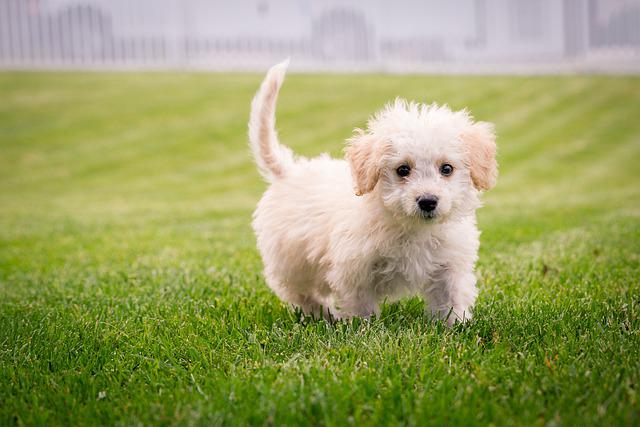
If your puppy snaps during play, it’s essential to understand that this behavior typically arises from overstimulation or frustration. Puppies, being energetic and enthusiastic, can sometimes become too excited, leading to snapping as a way to express their emotions. This reaction can be distressing for both the puppy and the owner, making it important to address it effectively.
Recognizing the signs of overstimulation is crucial. Puppies may exhibit behaviors such as excessive barking, jumping, or biting when they are overly excited. As a responsible owner, it’s vital to maintain control during playtime and ensure that your puppy learns appropriate boundaries. Redirecting their energy toward acceptable behaviors can prevent snapping incidents and promote positive interactions.
Identifying Overstimulation in Puppies
To effectively manage snapping during play, it’s vital to identify the signs of overstimulation early. Common indicators include rapid panting, tail wagging, and hyperactive behavior. Understanding these signals allows you to intervene before the situation escalates. Puppies can easily become overwhelmed, especially in chaotic environments or during intense play sessions.
When you notice these signs, it’s essential to take proactive steps. For example, reducing the intensity of play or introducing calming activities can help your puppy regain composure. Remember, the goal is to create a balanced play experience that encourages healthy interactions without leading to snapping.
Effective Redirection Techniques
One of the most effective methods to address snapping is to redirect your puppy’s focus. Use toys or engaging activities that capture their attention and channel their energy appropriately. For instance, switching from a tug-of-war game to fetch can help shift their excitement in a positive direction.
Incorporating training commands like “sit” or “leave it” can also be beneficial. These commands teach your puppy self-control and provide a structured approach to playtime. Consistent practice of redirection techniques will reinforce good behavior and reduce the likelihood of snapping.
Establishing Clear Playtime Rules
Establishing clear rules during playtime is essential for preventing snapping. Define acceptable behaviors for your puppy and consistently reinforce them. For example, if your puppy begins to snap, immediately stop the play session and give them a time-out. This teaches them that snapping results in the end of fun, encouraging them to seek alternative behaviors.
Additionally, involve family members or other pets in the training process. Consistency among all caregivers will help reinforce the rules, making it easier for your puppy to understand what is expected during playtime.
When to Seek Professional Help
While many instances of snapping can be managed with training and redirection, some situations may require professional intervention. If your puppy’s snapping becomes aggressive or frequent, consulting a professional dog trainer or behaviorist is recommended. They can provide tailored strategies and insights to address the underlying causes of your puppy’s behavior.
Early intervention is crucial for preventing more serious issues down the line. A professional can help identify triggers and develop a comprehensive training plan that suits your puppy’s needs.
For more information on puppy behavior and training, consider exploring resources from reputable organizations like the American Kennel Club or the Association of Professional Dog Trainers. These sources offer valuable insights into managing common puppy behaviors effectively.
Frequently Asked Questions
What causes a puppy to snap during play?
A puppy may snap during play due to overstimulation or frustration, typically when they become overly excited or overwhelmed.
How can I prevent my puppy from snapping?
Prevent snapping by recognizing signs of overstimulation, redirecting their energy, and establishing clear playtime rules.
Is it normal for puppies to snap during play?
While some snapping can be normal behavior, it should be addressed to ensure safe and enjoyable playtime.
When should I seek professional help for my puppy?
If snapping becomes aggressive or occurs frequently, consult a professional trainer or behaviorist for tailored guidance.
What are some redirection techniques for puppies?
Effective redirection techniques include using toys, switching activities, and incorporating training commands like “sit” or “leave it.”
Conclusion
Addressing snapping behavior in puppies is crucial for fostering a positive play environment. By recognizing signs of overstimulation, implementing effective redirection techniques, and establishing clear rules, you can significantly reduce the likelihood of snapping. If challenges persist, seeking professional help can provide tailored strategies to ensure your puppy develops into a well-behaved companion. Remember, consistency and patience are key in training.