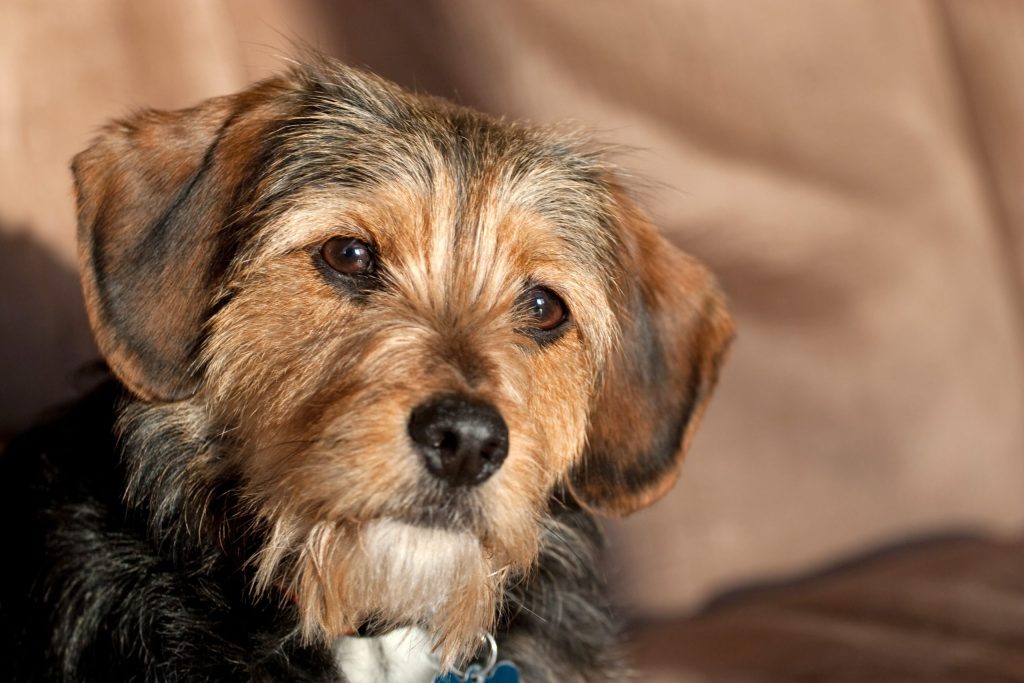
To stop your puppy from eating poop, it’s crucial to identify the underlying causes driving this behavior. Common triggers include nutritional deficiencies, boredom, or anxiety. Addressing these factors involves a combination of environmental management, behavioral training, and veterinary advice. By understanding why your puppy engages in this behavior, you can take effective steps to correct it.
For instance, if your puppy is lacking essential nutrients, switching to a higher-quality diet could help. Moreover, providing ample mental stimulation and physical exercise can reduce boredom, which often leads to undesirable habits. It’s also vital to clean up feces promptly to remove the temptation, as puppies are naturally curious and may eat what they find.
Additionally, some puppies may develop this habit due to anxiety or stress. In such cases, assessing their environment for potential stressors is essential. Training your puppy to respond to commands, such as “leave it,” can also be beneficial. Consistency in training and positive reinforcement will encourage your puppy to abandon this behavior over time.
Understanding the Causes of Coprophagia
Coprophagia, or the act of eating feces, in puppies can stem from various causes. Nutritional deficiencies, particularly a lack of certain vitamins or minerals, can lead puppies to seek out feces as a source of nutrients. Additionally, some puppies may engage in this behavior out of curiosity or boredom, especially if they are left alone for extended periods.
Puppies are naturally curious and may not differentiate between what is acceptable to eat and what is not. Identifying the exact cause of your puppy’s behavior is crucial for developing an effective strategy to stop it. Understanding these motivations helps in tailoring your approach to discourage this habit.
Training Techniques to Discourage the Behavior
Training is a fundamental aspect of preventing your puppy from eating poop. Teaching commands such as “leave it” can be effective in redirecting their attention when they show interest in feces. Positive reinforcement, like treats or praise, can encourage compliance with these commands.
Consistency is key when it comes to training. Ensure that all family members use the same commands and methods to avoid confusion. Additionally, consider using a leash during walks to maintain control and prevent your puppy from accessing feces in public areas. Regular practice and reinforcement will help your puppy learn the desired behaviors.
Health Considerations and Veterinary Advice
Before implementing behavioral strategies, it’s wise to consult your veterinarian. Certain health issues, such as parasites or gastrointestinal problems, can contribute to coprophagia. A thorough health check can rule out any underlying medical conditions that may require treatment.
Your veterinarian can also recommend dietary adjustments or supplements that may help correct nutritional deficiencies. If your puppy’s behavior persists despite training and dietary changes, further evaluation may be necessary to uncover potential health concerns.
Creating a Positive Environment
Creating a stimulating and supportive environment is crucial in preventing your puppy from eating poop. Provide plenty of toys and activities to keep your puppy engaged. Regular exercise and playtime will help alleviate boredom and reduce the likelihood of undesirable behaviors.
Additionally, ensure that your puppy has a safe space where they feel secure. Reducing stressors in their environment can help prevent anxiety-related behaviors, including coprophagia. A calm and enriched environment will foster positive habits.
Frequently Asked Questions
Is coprophagia harmful to my puppy?
Coprophagia can pose health risks, such as exposure to parasites or bacteria. It’s essential to discourage this behavior to protect your puppy’s health.
How can I train my puppy not to eat poop?
Use commands like “leave it” and reinforce good behavior with treats. Consistency and positive reinforcement are crucial for effective training.
What should I do if my puppy continues to eat poop despite training?
If the behavior persists, consult your veterinarian to rule out any underlying health issues or nutritional deficiencies.
Can diet changes help stop my puppy from eating poop?
Yes, a balanced diet can reduce nutritional deficiencies that may lead to coprophagia. Consult your vet for dietary recommendations.
How often should I clean up after my puppy?
Clean up immediately after your puppy eliminates to remove the temptation and prevent coprophagia.
Conclusion
Stopping your puppy from eating poop requires a multi-faceted approach. Start by understanding the underlying causes and addressing any health concerns with your veterinarian. Implement consistent training techniques and create a stimulating environment to reduce boredom and anxiety. Regularly clean up after your puppy to eliminate temptation. With patience and persistence, you can successfully guide your puppy away from this undesirable behavior.