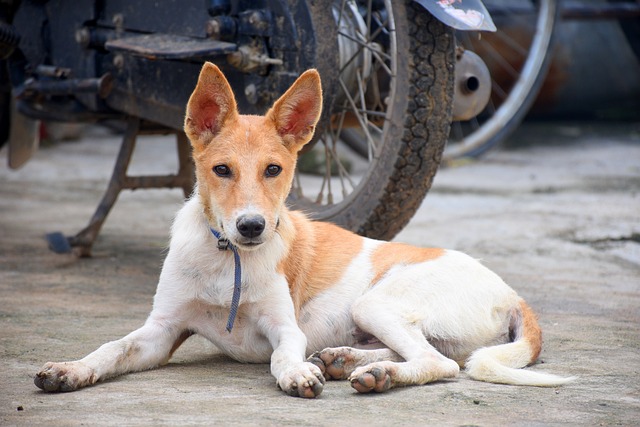
To help an overly shy puppy, focus on gradual exposure to new experiences and environments. Shyness is often a result of insufficient socialization during critical developmental periods, which can lead to fear and anxiety when faced with unfamiliar situations. The key is to create a safe space where your puppy can explore at their own pace while feeling secure.
Start by identifying what triggers your puppy’s shyness. Common causes include loud noises, unfamiliar people, or new environments. Understanding these triggers allows you to manage their exposure effectively. For example, if your puppy is scared of strangers, arrange controlled meetings with calm, friendly individuals who can help create positive associations.
Understanding Puppy Shyness
Puppy shyness typically manifests as reluctance to engage with new experiences or people. This behavior can stem from genetics, lack of exposure during crucial socialization windows, or negative past experiences. It’s crucial to recognize that shyness is not a permanent trait; with the right approaches, you can help your puppy become more confident.
Many owners mistakenly assume that their shy puppy will outgrow their behavior without intervention. However, this can lead to increased anxiety and fearfulness as they grow older. Addressing shyness early on can prevent more severe behavioral issues down the line.
Creating a Safe Environment
A safe environment is essential for helping a shy puppy feel secure. Designate a quiet space in your home where your puppy can retreat when feeling overwhelmed. This area should be comfortable and familiar, filled with their favorite toys and bedding.
Additionally, maintain a calm household atmosphere. Avoid loud noises and chaotic activities that can heighten anxiety. When introducing your puppy to new experiences, do so in a controlled manner, ensuring they feel safe and supported throughout the process.
Socialization Techniques
Effective socialization for shy puppies requires patience and consistency. Start with short, positive interactions with new people, pets, and environments. Gradually increase exposure as your puppy becomes more comfortable.
Utilizing treats and praise can reinforce positive behavior. Allow your puppy to approach new experiences at their own pace, never forcing them into uncomfortable situations. Consider enrolling in a puppy training class designed for shy dogs, where they can learn in a supportive setting.
Training Tips for Overly Shy Puppies
Training a shy puppy involves specific strategies to boost their confidence. Use positive reinforcement techniques to reward your puppy for brave actions, such as approaching a new person or exploring a new space. Consistency is key; practice these interactions regularly to reinforce their learning.
Furthermore, avoid punishing fearful behavior, as this can exacerbate anxiety. Instead, focus on encouraging exploration and curiosity. Gradual desensitization to various stimuli—like sounds, sights, and smells—can also help reduce shyness over time.
For more insights into helping your overly shy puppy, consider visiting reputable sources on dog behavior and training.
Frequently Asked Questions
What causes a puppy to be shy?
Puppy shyness can result from a lack of socialization during critical developmental stages, genetics, or negative past experiences.
How can I help my shy puppy?
Gradually expose your puppy to new people, pets, and environments while using positive reinforcement to build their confidence.
Is shyness in puppies permanent?
No, shyness in puppies can be addressed with proper socialization and training techniques.
What should I avoid when training a shy puppy?
Avoid forcing your puppy into uncomfortable situations or using punishment, as this can worsen their anxiety.
Can puppy classes help a shy dog?
Yes, puppy classes can provide a structured environment for socialization and help build confidence through positive interactions.
Conclusion
Addressing shyness in your puppy is crucial for their long-term happiness and well-being. Focus on gradual exposure to new experiences, creating a safe environment, and utilizing positive reinforcement techniques. Remember, patience and consistency are key. By actively engaging in socialization and training, you can help your puppy overcome their shyness and thrive in various situations. Take the first steps today towards a more confident and sociable companion.