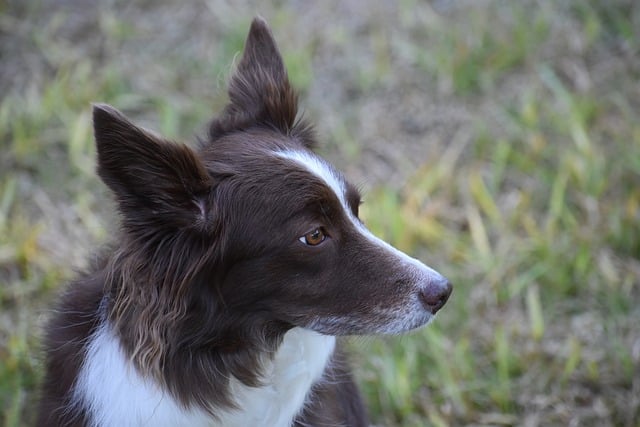
Training a puppy without treats can be effectively achieved through the use of praise, play, and attention as rewards. Many pet owners find themselves in situations where they prefer not to use food for training, either due to dietary restrictions or personal preferences. By focusing on these non-food rewards, you can still establish a strong bond with your puppy while teaching them essential commands and behaviors.
One of the most critical aspects of training without treats is the understanding of positive reinforcement. This method emphasizes rewarding the behaviors you want to encourage, rather than punishing unwanted behaviors. Using verbal praise, a favorite toy, or engaging in playtime can be incredibly motivating for your puppy, allowing them to associate good behavior with enjoyable outcomes.
Understanding Positive Reinforcement
Positive reinforcement is a training technique that rewards desired behaviors, encouraging your puppy to repeat them. This method is particularly effective because it fosters a sense of trust and cooperation between you and your puppy. Instead of relying solely on food, use enthusiastic verbal praise or physical affection, like petting, to acknowledge good behavior.
Many owners mistakenly believe that food rewards are the only way to motivate their pets. However, puppies thrive on attention and affection. Incorporating praise and play into your training routine can lead to a more engaged and responsive puppy. For instance, when your puppy successfully sits on command, offer them a hearty “good job!” and follow it up with a short play session. This approach reinforces the behavior without the need for treats.
Creating a Training Environment
To effectively train your puppy without treats, it’s essential to create a conducive learning environment. This includes minimizing distractions and ensuring that training sessions are short and enjoyable. Puppies have limited attention spans, so keeping sessions brief helps maintain their focus and enthusiasm.
Additionally, timing is crucial. Rewarding your puppy immediately after they perform the desired behavior reinforces the connection between the action and the reward. If you wait too long, your puppy may not associate the praise with their action, which can lead to confusion. For example, during a walk, if your puppy walks nicely beside you, offer praise and a moment of playtime right away to strengthen that behavior.
Common Training Mistakes
One common mistake owners make is expecting their puppy to learn commands without consistent reinforcement. Even without treats, using praise and play consistently is key to successful training. Inconsistency can lead to confusion and frustration for both you and your puppy.
Another pitfall is not recognizing when your puppy is not in the mood to train. Puppies have their own moods and energy levels, and pushing them to train when they’re distracted or tired can lead to negative experiences. Pay attention to your puppy’s cues and adjust your training sessions accordingly.
Frequently Asked Questions
Can I train my puppy without using any rewards?
While it’s challenging, you can train a puppy using only verbal praise and play as rewards. However, some form of positive reinforcement is necessary to encourage desired behaviors.
What if my puppy doesn’t respond to praise?
If your puppy isn’t responsive to praise, try increasing the enthusiasm in your voice or using a favorite toy as a reward. Finding what motivates your puppy is essential.
How often should I train my puppy?
Short, frequent training sessions of about 5-10 minutes are ideal. Aim for multiple sessions throughout the day, focusing on different commands or behaviors.
Is it possible to train an older dog without treats?
Yes, older dogs can also be trained without treats, using praise, attention, and play as motivators. The principles of positive reinforcement apply to all ages.
What commands can I teach my puppy without treats?
You can teach various commands such as sit, stay, come, and heel using praise and play as rewards. Consistency and clarity in your commands are crucial.
Conclusion
Training your puppy without treats is entirely achievable by focusing on positive reinforcement through praise, play, and attention. Establishing a strong bond and understanding with your puppy can lead to successful training outcomes. Remember to maintain consistency, keep training sessions enjoyable, and be mindful of your puppy’s mood and energy levels. By implementing these strategies, you can foster a well-behaved puppy and a rewarding training experience.