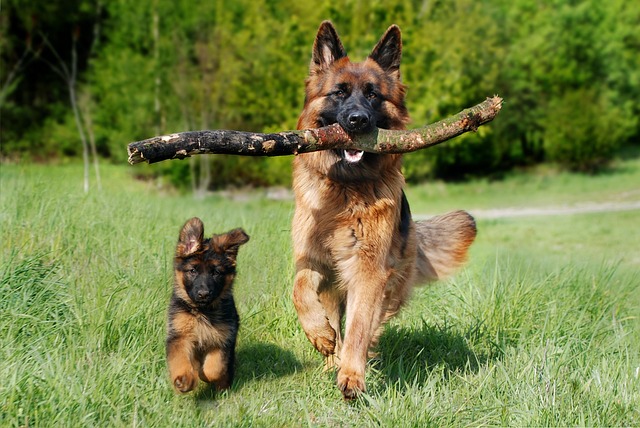
When a puppy misses early training, it can lead to persistent behavioral issues such as excessive barking, difficulty socializing, and anxiety. These challenges can become ingrained over time, making it harder to correct later. Early training is crucial for establishing boundaries and communication between the puppy and its owner.
One of the primary consequences of missing early training is the development of bad habits that may become more difficult to manage as the puppy grows. For instance, a lack of basic obedience can lead to problems like jumping on people, not responding to commands, and even aggression in certain situations. Additionally, puppies that miss out on early socialization experiences may struggle with fear and anxiety around new people or environments, which can further complicate their behavior.
Understanding Puppy Development Stages
Puppies undergo several critical development stages during their early months, each of which plays a vital role in shaping their behavior. The most crucial period for training and socialization is between 3 and 16 weeks of age. During this time, puppies are most receptive to learning new behaviors and experiences.
Failing to take advantage of this window can result in a lack of confidence and poor adaptability to various situations. Puppies that do not receive proper training during these stages may struggle with basic commands and become overly reliant on instinct rather than learned behavior. This can lead to a significant gap in their training, making it essential to focus on effective techniques even if starting later.
Common Behavioral Issues from Lack of Early Training
Without early training, puppies are prone to develop several behavioral issues. These may include excessive barking, destructive chewing, and difficulties with house training. Such behaviors can stem from boredom, anxiety, or a lack of understanding of appropriate conduct.
For example, a puppy that has not learned to associate commands with actions may bark excessively to communicate its needs. Similarly, destructive chewing can arise from boredom or a lack of proper outlets for energy. Addressing these issues early is crucial to prevent them from becoming ingrained habits that are more challenging to modify later.
The Importance of Socialization
Socialization is a critical aspect of early training that can significantly impact a puppy’s future behavior. Puppies that miss out on socialization opportunities may develop fear or aggression towards unfamiliar people, animals, or environments. This can lead to long-term issues that affect their ability to interact positively with others.
To counteract these effects, owners should prioritize exposing their puppies to various stimuli, including different people, animals, and environments. Gradual exposure in a controlled manner can help build confidence and reduce anxiety, making it easier for the puppy to adapt to new situations as it grows.
Effective Training Methods for Late Starters
For puppies that miss early training, it’s never too late to start. Positive reinforcement methods are particularly effective for older puppies and dogs. This involves rewarding desired behaviors with treats, praise, or playtime, which encourages the puppy to repeat those behaviors.
Additionally, enrolling in puppy classes can provide structured learning and socialization opportunities. Professional trainers can offer guidance tailored to the puppy’s specific needs, helping to address any behavioral issues that may have developed due to the lack of early training. Consistency and patience are key in this process, as it may take time for the puppy to learn and adapt.
For those seeking more information on puppy training and behavioral development, consider exploring resources from reputable animal behavior organizations or training programs. Engaging with these materials can provide valuable insights and techniques to help your puppy thrive.
Frequently Asked Questions
What are the signs that a puppy has missed early training?
Signs include difficulty with basic commands, excessive barking, anxiety in new situations, and problems with house training.
Can late training be effective for puppies?
Yes, late training can be effective, especially with positive reinforcement methods and professional guidance.
How important is socialization for puppies?
Socialization is crucial as it helps puppies become well-adjusted adults and reduces the likelihood of fear or aggression.
What can I do if my puppy is overly anxious?
Provide gradual exposure to new experiences, use calming techniques, and consult a professional trainer if needed.
Is it ever too late to train a puppy?
No, it is never too late to train a puppy; however, the methods may need to be adjusted based on the puppy’s age and experiences.
Conclusion
Ultimately, missing early training can lead to various behavioral issues in puppies that may persist into adulthood. However, it is important to remember that it is never too late to begin training. By focusing on positive reinforcement and socialization, owners can help their puppies overcome challenges and develop into well-adjusted pets. Prioritizing consistent training and seeking professional help when necessary will ensure that your puppy has the best chance for a successful future.