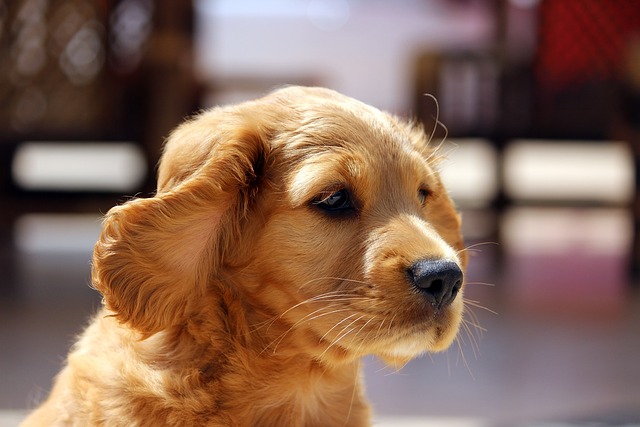
Training your puppy to stay calm around food is essential for fostering good behavior during mealtime. This involves teaching your puppy to associate food with calmness rather than excitement. Start by establishing basic commands such as ‘sit’ and ‘stay.’ Only reward your puppy with food when they are exhibiting calm behavior, which helps reinforce the desired response. It’s important to be consistent with your commands and reactions to ensure your puppy understands what is expected.
Many owners make the mistake of inadvertently rewarding their puppy’s excitement by giving treats when the puppy is jumping or barking. Instead, focus on rewarding moments of stillness and quiet. This can be challenging, but consistency will lead to better long-term behavior. Additionally, consider the timing of feeding; feeding your puppy at regular intervals can help establish a routine, making them less likely to become overly excited when they see food.
Understanding Your Puppy’s Behavior
Recognizing your puppy’s natural instincts is the first step in training them to remain calm around food. Puppies are often driven by their senses, particularly smell, which can lead to excitement when they detect food. Understanding this behavior allows you to manage their reactions better. Instead of reacting to their excitement with frustration, use it as a learning opportunity to redirect their energy into calmness.
One effective method is to observe your puppy’s body language. Signs of stress or overexcitement can manifest in various ways, such as barking, whining, or jumping. By identifying these signs, you can intervene and guide them towards more appropriate behavior. For instance, if your puppy starts to get overly excited, you can redirect their attention by asking them to sit or lay down before presenting food.
Effective Training Techniques
To effectively train your puppy to stay calm around food, utilize positive reinforcement techniques. Start by having your puppy in a controlled environment, free from distractions. Begin training sessions by asking them to sit and stay, then gradually introduce the food. If they remain calm, reward them with the food. If they become excited, remove the food and wait until they settle down.
Consider implementing a ‘wait’ command as a part of your training. This involves teaching your puppy to remain in place until you give them the go-ahead to eat. This command not only builds patience but also reinforces their understanding of self-control. Consistent practice of this command will help your puppy learn that calm behavior leads to rewards.
Common Mistakes to Avoid
One of the most common mistakes in training puppies to stay calm around food is inconsistent reinforcement. If you occasionally reward your puppy for jumping or barking, it sends mixed signals about what behavior is acceptable. Always ensure that you reward calmness and ignore or redirect unwanted behaviors.
Another pitfall is rushing the training process. Puppies learn at their own pace, and pushing them too hard can lead to frustration for both the puppy and the owner. Take your time and be patient, allowing your puppy to understand the expectations clearly. Regular short training sessions are more effective than infrequent, lengthy ones.
Establishing a Routine
Developing a consistent feeding schedule is crucial for training your puppy to stay calm around food. Regular meal times help your puppy anticipate when they will be fed, reducing anxiety and excitement associated with food. This routine not only aids in training but also contributes to your puppy’s overall well-being.
Incorporate training sessions into your feeding routine. For example, have your puppy perform a command before serving their meal. This reinforces the idea that calm behavior is required before they can enjoy their food. Over time, this will create a structured environment that supports their training and reduces food-related excitement.
For those interested in delving deeper into effective puppy training techniques, consider exploring resources from reputable dog training organizations or veterinary behaviorists. Understanding canine behavior and the psychology behind training can significantly enhance your success.
Frequently Asked Questions
How long does it take to train a puppy to stay calm around food?
The training duration varies by puppy, but with consistent practice, most puppies can learn to stay calm around food within a few weeks.
What commands should I teach my puppy first?
Start with basic commands like ‘sit,’ ‘stay,’ and ‘wait,’ as these are foundational for training calm behavior around food.
Can I use treats to train my puppy?
Yes, treats are an effective way to reinforce positive behavior, but ensure they are given only when the puppy is calm.
What if my puppy gets too excited during training?
If your puppy becomes too excited, take a break and allow them to calm down before resuming training.
Is it normal for puppies to be excited around food?
Yes, it’s natural for puppies to show excitement around food, but training helps them learn to manage this behavior.
Conclusion
Training your puppy to stay calm around food is a vital aspect of responsible pet ownership. By understanding their behavior, employing effective training techniques, and establishing a consistent routine, you can significantly reduce food-related excitement. Prioritize patience and consistency in your training efforts, and remember to reward calm behavior. Over time, your puppy will learn that remaining calm leads to positive outcomes, making mealtime a more enjoyable experience for both of you.