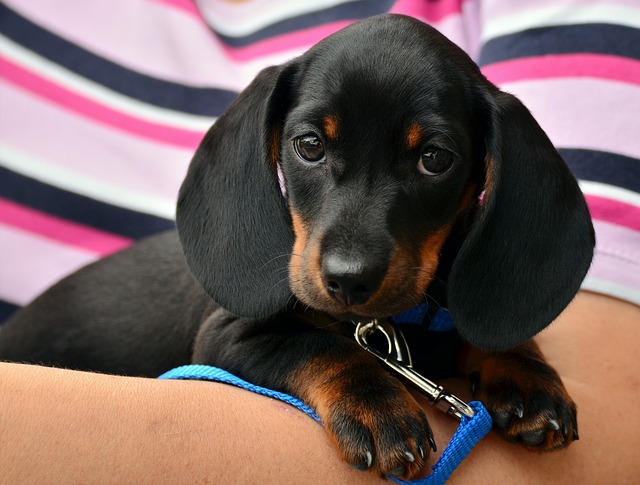
Training your puppy to walk calmly beside you is essential for enjoyable and safe walks. This process involves teaching your puppy to stay close and focused, which can significantly improve your outings together. Key steps include using the right equipment, rewarding good behavior, and practicing consistently in various environments.
One common mistake many owners make is allowing their puppies to pull on the leash, which can lead to bad habits. Prioritizing leash training and maintaining a calm demeanor during walks can significantly enhance the experience for both you and your puppy. It’s important to remember that patience and consistency are vital in this training process.
Choosing the Right Equipment
Using the right equipment is crucial for effective leash training. A comfortable harness and a sturdy leash can help you maintain control while ensuring your puppy’s comfort. Many trainers recommend using a front-clip harness to discourage pulling, as this design gently redirects the puppy’s attention back to you.
Additionally, a lightweight leash that is easy to hold can make walks more enjoyable. Avoid using retractable leashes during training, as they can encourage bad habits and make it difficult to maintain close control. Focus on equipment that promotes safety and effective communication between you and your puppy.
Positive Reinforcement Techniques
Positive reinforcement is an effective method for encouraging desired behaviors in puppies. When your puppy walks calmly beside you, reward them with treats, praise, or playtime to reinforce this behavior. The key is to reward immediately after the desired behavior occurs, so your puppy can make the connection.
Be consistent with your rewards; use the same treats or praise phrases each time. This consistency helps your puppy understand what behavior is being rewarded. Avoid punishing your puppy for pulling or misbehavior, as this can create fear and anxiety, making training more difficult.
Establishing a Routine
Establishing a regular walking routine can significantly improve your puppy’s training. Choose specific times of day for walks and stick to this schedule as closely as possible. This routine helps your puppy understand when to expect walks and prepares them mentally for training.
Incorporate short training sessions into your walks. Begin with a few minutes of focused walking, gradually increasing the duration as your puppy becomes more comfortable. Consistency in your routine will help reinforce the training and create a sense of security for your puppy.
Gradually Introducing Distractions
Once your puppy has mastered walking calmly in a controlled environment, it’s time to introduce distractions. Begin in low-distraction areas, gradually moving to busier locations as your puppy becomes more confident. Use treats and praise to reward your puppy for maintaining focus despite distractions.
Monitor your puppy’s behavior closely. If they become overwhelmed, return to a quieter area and practice more before attempting distractions again. This gradual exposure helps build your puppy’s confidence and reinforces their training.
Frequently Asked Questions
What age should I start training my puppy to walk on a leash?
You can start leash training as early as 8 weeks old, using positive reinforcement techniques.
How long should training sessions be for a puppy?
Training sessions should ideally last 5-10 minutes for young puppies to maintain their focus and enthusiasm.
What should I do if my puppy pulls on the leash?
If your puppy pulls, stop walking and wait for them to return to your side before continuing. Reward them once they are back in position.
Can I use a choke collar to train my puppy?
It is not recommended to use choke collars, as they can cause injury and fear. Opt for a well-fitted harness instead.
How can I improve my puppy’s focus during walks?
Practice in low-distraction environments and gradually introduce distractions, rewarding your puppy for maintaining focus.