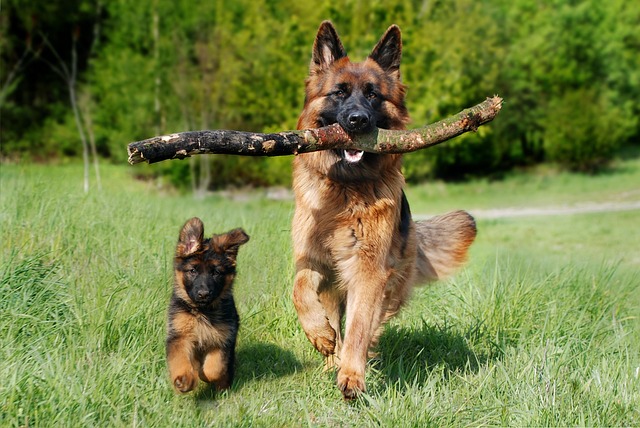
Understanding Your Puppy’s Behavior
Puppies often pull on the leash due to excitement, curiosity, or a lack of understanding about leash etiquette. Recognizing these triggers is the first step in addressing the pulling behavior. Puppies are naturally inclined to explore their surroundings, which can lead to them pulling away from their handler.
To effectively manage this behavior, it’s important to establish a clear communication system through consistent training. Understanding that pulling is a normal behavior for puppies helps set realistic expectations. Training should focus on redirecting that energy into walking calmly beside you, which takes time and dedication.
Effective Leash Training Techniques
One of the most effective techniques for training a puppy to walk without pulling is the “stop-and-go” method. When your puppy pulls, stop walking immediately. Wait until your puppy returns to your side before continuing. This teaches them that pulling does not lead to forward movement.
Additionally, rewarding your puppy for walking beside you is crucial. Use treats or praise when they maintain a loose leash. This positive reinforcement encourages them to repeat the desired behavior. Gradually increase the distance you walk together as your puppy becomes more comfortable with the training.
Common Mistakes to Avoid
Many pet owners inadvertently reinforce pulling by allowing their puppies to lead the way. This behavior can create confusion for the puppy, as they may not understand that walking ahead is not acceptable. Avoid using a retractable leash, as it can encourage pulling by providing too much freedom.
Another common mistake is failing to remain consistent in training efforts. Mixed signals can confuse your puppy and hinder progress. Ensure that everyone involved in walking the puppy follows the same training protocols to reinforce the correct behavior.
Tools to Aid Training
Using the right tools can significantly enhance your training efforts. A front-clip harness is an excellent option for managing pulling without causing discomfort to the puppy. This type of harness redirects the puppy’s attention to you when they pull, making it easier to guide them.
Additionally, consider using a standard leash rather than a retractable one, as it provides better control. Training treats can also be beneficial for rewarding positive behavior. Choose small, high-value treats that your puppy loves to keep them engaged during training sessions.
For further insights into effective puppy training techniques, consider exploring materials from recognized dog training organizations or reputable pet care publications. These resources can provide additional strategies and support for training your puppy to walk without pulling.
Frequently Asked Questions
How long does it take to train a puppy not to pull?
Training a puppy not to pull can take several weeks to months, depending on the puppy’s age, temperament, and consistency of training.
What should I do if my puppy keeps pulling on the leash?
If your puppy keeps pulling, stop walking until the leash is slack, then reward them for walking beside you.
Are certain breeds more likely to pull when walking?
Yes, some breeds, especially those with high energy levels, are more prone to pulling due to their natural instincts and excitement.
Can I use treats to train my puppy not to pull?
Yes, using treats as positive reinforcement can be very effective in training your puppy to walk without pulling.
What type of harness is best for a puppy that pulls?
A front-clip harness is often best for puppies that pull, as it helps redirect their attention back to you.
Conclusion
Training your puppy to walk without pulling is a process that requires patience, consistency, and the right techniques. By understanding your puppy’s behavior and employing effective leash training methods, you can significantly improve their walking habits. Focus on positive reinforcement and avoid common mistakes to ensure a successful training experience. Remember, the goal is to create a pleasant walking experience for both you and your puppy, which will deepen your bond and encourage good behavior.