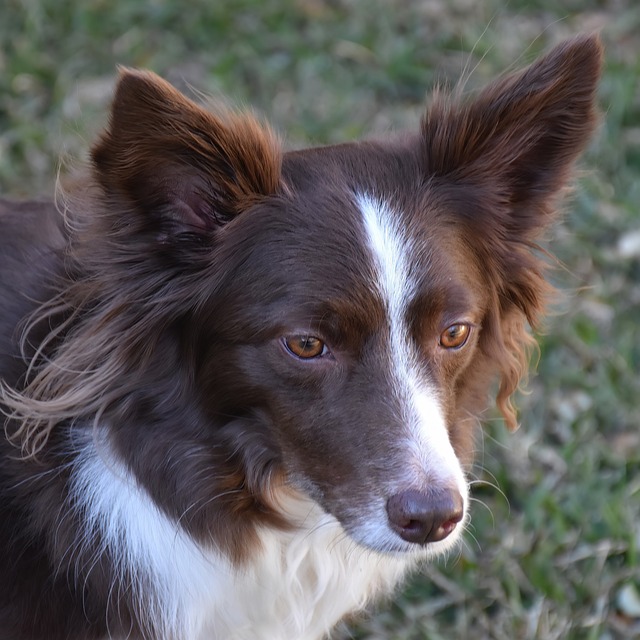
Understanding why your puppy struggles to settle can prevent frustration and encourage better behavior. Often, a lack of proper mental and physical stimulation can lead to hyperactivity, making it difficult for them to relax. Additionally, the environment plays a significant role; loud noises or chaotic settings can cause anxiety, further complicating the settling process. It’s important to create a calm atmosphere during and after exercise.
Excess Energy
One of the primary reasons puppies don’t settle down is due to excess energy. Puppies are naturally energetic and require regular physical activity to burn off that energy. If they do not get enough exercise, they may remain restless even after a play session.
To help manage their energy, consider increasing the duration or intensity of exercise sessions. Activities like fetch, agility training, or long walks can be beneficial. However, be mindful not to overexert them, especially in hot weather. Incorporating mental stimulation, such as puzzle toys or training sessions, can also help tire them out effectively.
Overstimulation
Overstimulation from their surroundings can prevent puppies from calming down. Factors such as loud noises, other animals, or even too much excitement during playtime can lead to this state. Puppies often struggle to process these stimuli, causing them to remain hyperactive.
To mitigate overstimulation, create a designated quiet space for your puppy to retreat to after play. This area should be free from distractions and have comfortable bedding. Additionally, consider using calming music or pheromone diffusers to help create a soothing environment.
Anxiety and Stress
Anxiety can be a significant barrier to a puppy settling down. Various factors, including separation anxiety or fear of loud noises, can cause stress, making it difficult for them to relax after exercise. Recognizing signs of anxiety, such as pacing, whining, or destructive behavior, is critical.
To address anxiety, ensure your puppy feels secure in their environment. Gradual desensitization to triggers can help, as can the use of calming aids like anxiety wraps or natural supplements. Consulting with a veterinarian or a dog behaviorist may also provide valuable strategies tailored to your puppy’s needs.
Routine and Consistency
Establishing a consistent routine is vital for helping your puppy learn to settle down after exercise. Puppies thrive on predictability, and a structured schedule can help them understand when it’s time to play and when it’s time to relax.
Incorporate a post-exercise routine that includes quiet time, perhaps with a chew toy or gentle petting. This signals to your puppy that it’s time to wind down. Consistency in these routines will help your puppy learn to associate certain activities with relaxation.
Frequently Asked Questions
Why won’t my puppy calm down after playtime?
Your puppy may be unable to calm down due to excess energy, overstimulation, or anxiety. Providing appropriate exercise and a calming environment can help.
How can I help my puppy settle down?
Establish a consistent routine, provide a quiet space, and use calming techniques such as gentle petting or soothing music to help your puppy relax.
Is it normal for puppies to be hyper after exercise?
Yes, it is normal for puppies to have bursts of energy after exercise. However, if this persists, it may indicate a need for more structured activities.
What signs indicate my puppy is overstimulated?
Signs of overstimulation include pacing, barking, whining, or being unable to settle down. Providing a calm space can help alleviate these symptoms.
How much exercise does my puppy need?
Puppies generally need about five minutes of exercise per month of age up to twice a day. Adjust this based on your puppy’s breed and energy levels.
Conclusion
Understanding the reasons why your puppy may not settle down after exercise is crucial for effective management. Focus on providing adequate physical and mental stimulation, creating a calming environment, and establishing a consistent routine. By addressing these factors, you can help your puppy learn to relax after playtime, leading to a healthier and happier pet. Remember, patience and consistency are key in this process.