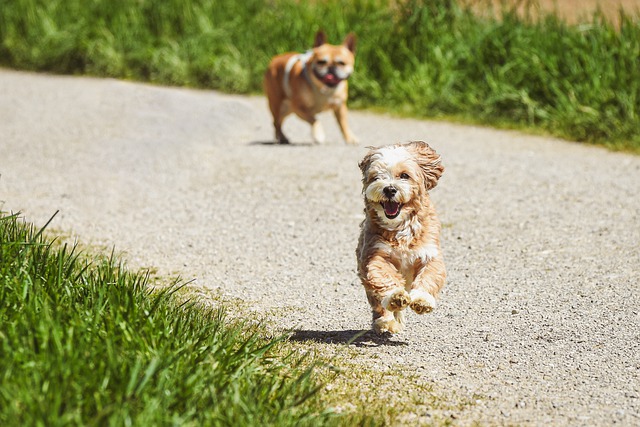
To train your puppy to walk calmly beside you, start by establishing a consistent walking routine that incorporates positive reinforcement strategies. A well-structured approach helps prevent pulling on the leash and distractions from the environment. Focus on rewarding calm behavior with treats or praise when your puppy stays by your side. This method fosters a strong bond and encourages your puppy to associate walking beside you with positive experiences.
Many owners make the mistake of allowing their puppies to lead during walks, which can create bad habits and reinforce undesirable behaviors. Instead, prioritize teaching your puppy to walk at your pace and remain focused on you. If your puppy becomes distracted or begins to pull, gently redirect them back to your side using treats or verbal cues. Consistency is crucial; practicing short, frequent walks will help your puppy learn without becoming overwhelmed.
Additionally, consider the environment when training your puppy. Start in low-distraction areas, gradually introducing new surroundings as your puppy becomes more confident. This gradual exposure helps prevent overwhelming stimuli that may lead to anxiety or erratic behavior. Always be patient and adjust your training methods based on your puppy’s unique temperament and learning style.
Importance of Calm Walking
Walking calmly beside you is essential for your puppy’s overall training and socialization. It establishes good leash manners and helps prevent unwanted behaviors such as pulling, lunging, or barking. A calm walk also allows your puppy to observe their surroundings without becoming overly excited or anxious.
Moreover, a well-trained walking routine fosters a stronger bond between you and your puppy, promoting trust and cooperation. By ensuring your puppy understands the importance of walking calmly, you set the stage for future training success in various situations.
Common Mistakes to Avoid
One common mistake is allowing your puppy to set the pace during walks. This can lead to pulling and a lack of focus on you. Instead, take control of the walk by setting a steady pace and encouraging your puppy to stay beside you.
Another mistake is using negative reinforcement, which can create fear and anxiety. Instead, focus on positive reinforcement, rewarding your puppy for calm behavior. This encourages your puppy to associate walking beside you with positive outcomes.
Positive Reinforcement Techniques
Positive reinforcement is a powerful tool when training your puppy to walk calmly beside you. Use treats, praise, or toys to reward your puppy for maintaining a calm demeanor during walks. Start by rewarding them for simply staying close to you, then gradually increase the difficulty by rewarding them for walking at your pace.
Be consistent with your rewards, and remember to keep training sessions short and engaging. This will help reinforce the desired behavior and keep your puppy motivated to learn.
Gradual Exposure to Distractions
As your puppy becomes more proficient at walking calmly beside you, gradually introduce them to more distracting environments. Start in quiet areas, and slowly progress to busier locations with more sights and sounds. This helps your puppy learn to focus on you amidst distractions.
Monitor your puppy’s stress levels and adjust the training environment as needed. If they become overwhelmed, return to a quieter setting to reinforce calm behavior before reintroducing distractions.
Frequently Asked Questions
What age can I start training my puppy to walk calmly?
You can start training your puppy to walk calmly as soon as they are fully vaccinated, usually around 16 weeks old. Early socialization and exposure to various environments are crucial during this period.
How long should training sessions be?
Training sessions should be short, ideally between 5 to 15 minutes, to keep your puppy engaged and prevent frustration. Frequent, short sessions are more effective than longer, infrequent ones.
What should I do if my puppy pulls on the leash?
If your puppy pulls on the leash, stop walking immediately. Wait until they return to your side before continuing. Use treats to encourage them to stay close.
Is it okay to use a harness for walking?
Yes, using a harness can help prevent pulling and provide better control. Ensure the harness fits properly and is comfortable for your puppy.
How can I improve my puppy’s focus during walks?
To improve your puppy’s focus, practice in low-distraction areas and gradually introduce more distractions. Use treats and praise to reward them for staying focused on you.
Conclusion
Training your puppy to walk calmly beside you is a fundamental skill that enhances your relationship and ensures safe, enjoyable walks. Focus on establishing a consistent routine, employing positive reinforcement, and gradually exposing your puppy to distractions. By avoiding common mistakes and prioritizing effective training methods, you can foster a calm walking behavior that benefits both you and your puppy. Make sure to adapt your approach based on your puppy’s progress, and remember to keep training sessions engaging and rewarding.