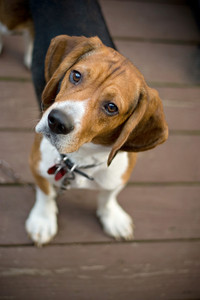
To effectively address puppy lunging at people during walks, it is vital to implement positive reinforcement techniques that redirect your puppy’s excitement or anxiety. This behavior often occurs due to overstimulation or fear, leading to lunging as a reaction. The focus should be on creating a calm environment and teaching your puppy to respond to cues instead of lunging at passersby.
Understanding the underlying reasons for this behavior is essential. Puppies may lunge out of excitement to greet others or out of fear of unfamiliar people. Both scenarios require different approaches, but the priority remains the same: teaching your puppy to remain calm and focused on you. Common mistakes include allowing the puppy to interact with others without proper training or failing to recognize the early signs of lunging.
Recognizing the Triggers
Identifying what triggers your puppy’s lunging is crucial in addressing the behavior. Common triggers include other dogs, people, or even loud noises. When your puppy begins to lunge, observe their body language for signs of excitement or fear, which can help you understand their motivations. Recognizing these triggers allows you to manage situations better and prepare for training.
For example, if your puppy lunges at people due to excitement, training can focus on teaching them to stay calm when encountering new individuals. If fear is the cause, gradual desensitization to the trigger may be necessary. Always remember to remain calm and consistent during training sessions to reinforce positive behavior.
Effective Training Techniques
Utilizing effective training techniques is essential for correcting lunging behavior. Start with basic commands such as “sit” or “stay” to establish control. When walking, use treats to reward your puppy for maintaining focus on you instead of lunging at distractions. This approach reinforces positive behavior and encourages your puppy to look to you for guidance.
Additionally, consider using a front-clip harness, which discourages lunging by redirecting your puppy’s movement. Combine this with consistent training sessions that include practice in less stimulating environments before gradually introducing more distractions. Consistency is key, so ensure everyone involved in your puppy’s care follows the same training methods.
Managing the Environment
Effective management of your puppy’s environment can significantly reduce lunging incidents. Start by avoiding crowded areas during walks until your puppy has learned to control their impulses. Instead, choose quieter locations where you can focus on training without excessive distractions.
During walks, maintain a distance from potential triggers, gradually decreasing that distance as your puppy becomes more comfortable. If your puppy begins to show signs of lunging, redirect their attention back to you using treats or toys. This proactive approach helps to prevent lunging before it occurs, reinforcing positive behavior.
Common Mistakes to Avoid
While training your puppy, it’s important to avoid common mistakes that can hinder progress. One major error is allowing your puppy to greet people or other dogs without first establishing calm behavior. This can reinforce the lunging habit, making it harder to correct later.
Another mistake is using punishment when your puppy lunges. Instead, focus on positive reinforcement to encourage desired behaviors. Additionally, be cautious of your own body language; if you tense up during encounters, your puppy may pick up on this and react more strongly. Always remain calm and assertive to guide your puppy effectively.
Frequently Asked Questions
Why does my puppy lunge at people during walks?
Puppies often lunge at people due to excitement or fear. Understanding the triggers behind this behavior is crucial for effective training.
What is the best way to stop lunging?
Using positive reinforcement techniques, such as rewarding calm behavior and teaching commands, is the best way to stop lunging.
Should I punish my puppy for lunging?
No, punishment can be counterproductive. Focus on positive reinforcement to encourage desired behaviors instead.
How can I manage my puppy’s environment?
Choose quieter areas for walks, maintain distance from triggers, and use treats to redirect your puppy’s attention.
What common mistakes should I avoid while training?
Avoid allowing your puppy to greet others without first establishing calm behavior and refrain from using punishment during training.
Conclusion
Addressing puppy lunging at people during walks requires a comprehensive approach that includes understanding triggers, effective training, and proper environmental management. Focus on using positive reinforcement and avoiding common mistakes to ensure lasting behavior changes. Consistent practice and patience will help your puppy learn to remain calm and focused during walks, leading to more enjoyable outings for both of you.