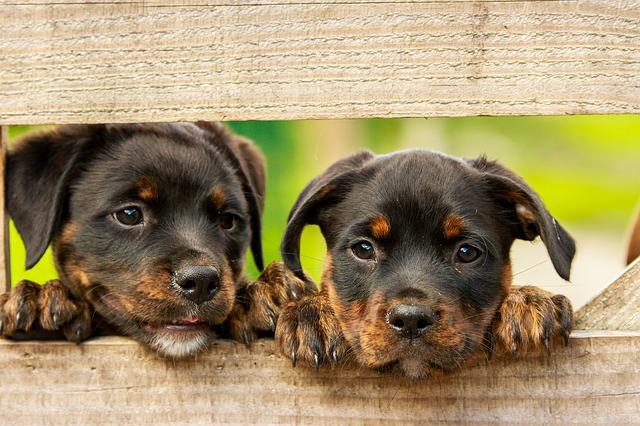
When a puppy refuses to go outside for potty, it can be frustrating for pet owners. This behavior is often linked to fear or discomfort, which can stem from a variety of factors such as unfamiliar surroundings, negative past experiences, or even the weather. Understanding these underlying causes is essential for effectively addressing the issue and encouraging your puppy to relieve themselves outdoors.
Creating a positive outdoor experience is key. Puppies, especially those that are still adjusting to their new environment, may feel overwhelmed by noises, other animals, or even the cold ground. Owners should consider gradually acclimating their puppies to the outdoors by spending time outside with them, using treats or favorite toys as incentives, and ensuring the area is safe and welcoming.
Understanding Fear and Anxiety in Puppies
Puppies often refuse to go outside due to fear and anxiety. This can be triggered by loud noises, unfamiliar sights, or even the presence of other animals. Recognizing the signs of fear in your puppy is crucial; they may display behaviors such as cowering, whining, or attempting to hide. If your puppy is afraid, it’s important to address their anxiety before expecting them to potty outside.
To help alleviate fear, owners can gradually introduce their puppies to the outdoors in a controlled manner. Start by spending short periods outside, allowing your puppy to explore at their own pace. Positive reinforcement, such as treats or praise, can help create a more comfortable environment. Remember, patience is essential, as forcing a puppy into a fearful situation may worsen their anxiety.
Environmental Factors That Affect Potty Training
Various environmental factors can impact a puppy’s willingness to go outside for potty. Weather conditions, such as rain or snow, can deter a puppy from wanting to step outside. Additionally, distractions like other pets, children playing, or even unfamiliar smells can make it difficult for a puppy to focus on the task at hand.
To minimize distractions, choose a quiet area for potty breaks. Make sure the space is well-lit and free from overwhelming noises. If your puppy seems hesitant due to the weather, consider using a covered area or providing a warm coat for colder days. The goal is to create an inviting and comfortable environment that encourages your puppy to relieve themselves without anxiety.
Creating a Positive Outdoor Experience
Creating a positive outdoor experience is vital to encouraging your puppy to go outside for potty. Start by associating the outdoors with enjoyable activities. Bring along your puppy’s favorite toys or treats to make the experience more rewarding. Spend time playing and exploring the area before focusing on potty breaks.
Using a consistent command or cue when it’s time to potty can also help. When your puppy successfully goes outside, reward them immediately with praise or a treat. This positive reinforcement will help them associate going outside with good things, making them more likely to want to go out in the future.
When to Seek Professional Help
If your puppy continues to refuse to go outside for potty despite your efforts, it may be time to seek professional help. A veterinarian can rule out any medical issues, such as urinary tract infections or other health concerns that could cause discomfort during elimination.
Additionally, a professional dog trainer or behaviorist can provide specialized guidance tailored to your puppy’s needs. They can help address any behavioral issues and develop a customized training plan to encourage your puppy to potty outside successfully.
Frequently Asked Questions
What should I do if my puppy won’t go outside to potty?
Start by identifying any fears or distractions that may be affecting your puppy’s willingness to go outside. Create a positive outdoor experience using treats and toys, and gradually acclimate them to the environment.
Can weather affect my puppy’s potty habits?
Yes, adverse weather conditions like rain or snow can make puppies reluctant to go outside. It’s essential to provide a comfortable and safe environment during potty breaks.
How can I make my puppy feel safe outside?
Introduce your puppy to the outdoors gradually, ensuring they have positive experiences. Use treats and toys to encourage exploration and provide a calm, quiet space for potty breaks.
When should I consult a veterinarian?
If your puppy consistently refuses to go outside for potty despite positive reinforcement efforts, it’s advisable to consult a veterinarian to rule out any underlying health issues.
What are some common signs of fear in puppies?
Common signs of fear in puppies include cowering, whining, hiding, and refusing to move. Recognizing these signs can help you address their anxiety effectively.
Conclusion
Addressing a puppy’s refusal to go outside for potty requires patience and understanding of their specific fears or distractions. By creating a positive outdoor experience and gradually acclimating them to the environment, you can help your puppy feel more comfortable. If challenges persist, don’t hesitate to seek professional assistance to ensure your puppy’s health and well-being.