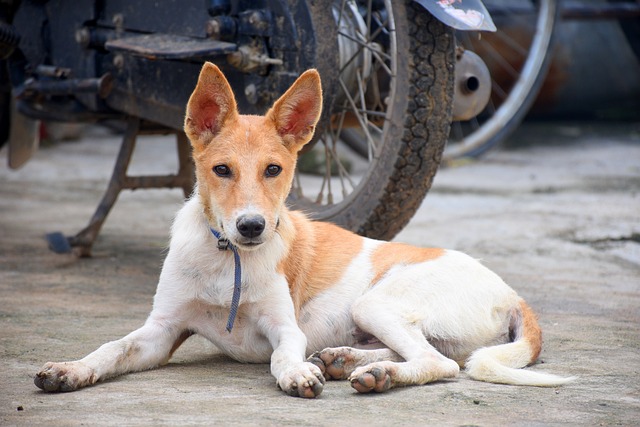
Understanding Puppy Behavior at 10 Weeks
At 10 weeks, puppies are in a critical stage of development where they begin to explore their environment and test boundaries. Understanding this behavior is key to effective training. Their natural curiosity means they will often get into things they shouldn’t, which can lead to misbehavior if not addressed properly.
Recognizing the difference between typical puppy behavior and unwanted actions helps in setting clear boundaries. For instance, chewing is common at this age as puppies are teething. Providing appropriate chew toys can redirect this behavior positively, preventing damage to household items.
Essential Training Techniques
Utilizing positive reinforcement is one of the most effective techniques for training a young puppy. This involves rewarding your puppy with treats, praise, or playtime when they exhibit desired behaviors. This method not only encourages good behavior but also strengthens the bond between you and your puppy.
Start with basic commands such as “sit,” “stay,” and “come.” Use clear, consistent commands and reward immediately when they respond correctly. This helps reinforce their learning. Additionally, incorporating playtime into training sessions can make learning more enjoyable for your puppy.
Common Mistakes to Avoid
One common mistake is expecting too much too soon. Puppies at this age have short attention spans and may not grasp commands immediately. Patience is crucial; if you find your puppy is not responding, it may be best to take a break and try again later.
Another mistake is using negative reinforcement. Punishing a puppy for mistakes can lead to fear and anxiety, making training more difficult. Instead, focus on redirecting unwanted behaviors and rewarding positive actions.
The Importance of Socialization
Socialization is a vital aspect of training a puppy at this age. Exposing your puppy to various environments, people, and other animals helps them develop confidence and reduces fearfulness. Aim for controlled social interactions where your puppy can learn appropriate behaviors.
Consider enrolling your puppy in a socialization class or arranging playdates with other vaccinated dogs. This not only aids in training but also enhances their social skills, making them well-adjusted adults.
Frequently Asked Questions
What is the best way to train a 10-week-old puppy?
The best way to train a 10-week-old puppy is through positive reinforcement, using treats and praise to reward desired behaviors.
How long should training sessions be for a puppy?
Training sessions for a puppy should ideally last between 5 to 10 minutes to keep them engaged and focused.
What commands should I teach my 10-week-old puppy first?
Start with basic commands such as “sit,” “stay,” and “come” to establish a foundation for further training.
Is it too early to socialize my puppy?
No, 10 weeks is a great time to start socializing your puppy, as early experiences can shape their future behavior.
How can I prevent my puppy from chewing on everything?
Provide appropriate chew toys and redirect their attention when they start chewing on non-toy items.
Conclusion
Training a 10-week-old puppy is a rewarding experience that lays the groundwork for a well-behaved adult dog. Focus on positive reinforcement, keep training sessions short, and be patient with your puppy’s learning pace. Additionally, prioritize socialization to help your puppy become a confident and adaptable companion. By establishing effective training habits early on, you’ll set your puppy up for success as they grow.