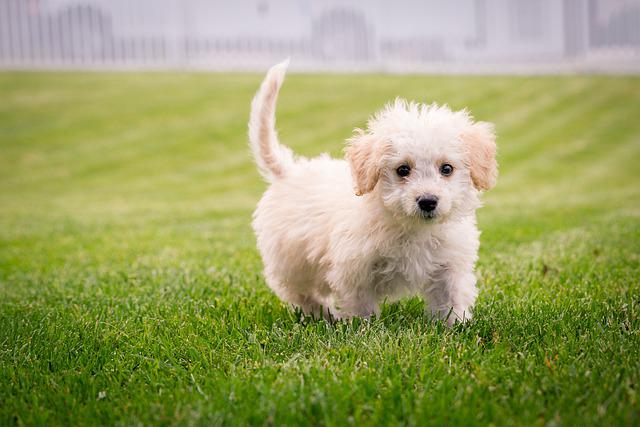
Common mistakes include punishing the puppy for accidents, which can lead to fear and anxiety. Instead, reward them with treats and praise when they go outside or in the designated area. This positive reinforcement encourages the desired behavior and builds trust between you and your puppy.
Understanding Stubbornness in Puppies
Stubbornness in puppies can often be traced back to their individual temperament and past experiences. Some breeds are naturally more independent, while others may have been poorly socialized or trained before reaching your home. Recognizing these factors can help you tailor your approach to their training.
It’s crucial to understand that stubbornness does not equate to disobedience. Puppies may simply need more time and patience to grasp the concept of potty training. Adapting your methods to suit their personality and learning style can significantly improve your training success.
Establishing a Consistent Routine
A consistent routine is vital in potty training a stubborn puppy. Take them outside frequently, especially after meals, playtime, and naps. By establishing a predictable schedule, your puppy will learn the cues for bathroom breaks.
In addition to regular outdoor trips, consider using the same spot for bathroom breaks. This helps reinforce the behavior, allowing your puppy to associate that area with relieving themselves. Keep a close eye on them during indoor play to catch any signs that they need to go out.
Positive Reinforcement Techniques
Positive reinforcement is one of the most effective methods for potty training. Whenever your puppy successfully goes outside, reward them with treats, praise, or playtime. This encourages them to repeat the behavior.
Consistency in rewards is essential; if you only reward them occasionally, they may become confused about what behavior is being reinforced. Create a positive association with potty breaks by making them enjoyable and stress-free.
Common Mistakes to Avoid
Many owners unknowingly make mistakes that hinder the potty training process. One common error is punishing the puppy for accidents indoors. This can lead to fear and anxiety, making the puppy less likely to communicate their needs in the future.
Another mistake is not recognizing the signs that the puppy needs to go outside. It’s crucial to learn their cues, such as sniffing, circling, or whining, and respond promptly. Ignoring these signs can prolong the training process and lead to frustration for both you and your puppy.
For additional insights on effective potty training techniques, consider exploring resources from animal behaviorists or professional trainers. Many reputable dog training websites offer articles and videos that can provide further guidance tailored to your puppy’s needs.
Frequently Asked Questions
How long does it take to potty train a stubborn puppy?
Potty training a stubborn puppy can take anywhere from several weeks to a few months, depending on the individual dog’s temperament and consistency in training methods.
What are the signs that my puppy needs to go outside?
Common signs include sniffing around, circling, whining, or suddenly stopping play to focus on their surroundings. Recognizing these cues is crucial for timely bathroom breaks.
Should I use a crate for potty training?
Crate training can be effective for potty training, as dogs naturally avoid soiling their sleeping area. Ensure the crate is appropriately sized and used positively.
What should I do if my puppy has an accident indoors?
Remain calm and avoid punishment. Clean the area thoroughly to eliminate odors, which can attract the puppy back to the same spot. Focus on reinforcing outdoor bathroom behavior instead.
Can I train my puppy to go on command?
Yes, you can train your puppy to go on command by associating a specific word or phrase with the action. Use this command consistently when they go outside to reinforce the association.
Conclusion
Potty training a stubborn puppy demands patience, consistency, and a positive approach. By understanding the underlying causes of stubbornness and implementing a structured routine with effective reinforcement techniques, you can significantly improve your training outcomes. Focus on recognizing your puppy’s signals and avoid common mistakes that can hinder progress. Remember, every puppy learns at their own pace, so stay committed and supportive throughout the process.