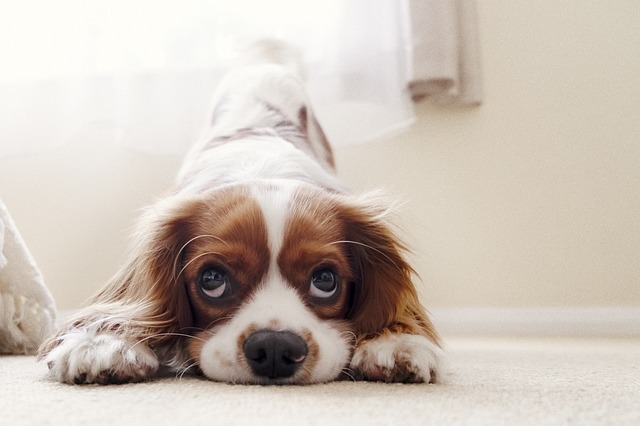
Training a puppy in an apartment setting requires a focused approach that addresses the unique challenges of limited space. For successful training, establish a consistent routine that includes designated areas for bathroom breaks and playtime, as well as structured training sessions. Using positive reinforcement techniques, such as treats and praise, will help your puppy associate good behavior with rewards, even in a compact living environment.
One common issue in apartment training is the lack of outdoor space, which can lead to accidents indoors. To mitigate this, create a specific area for your puppy to relieve itself and ensure frequent trips outside to reinforce bathroom habits. Additionally, consider utilizing puppy pads or artificial grass for emergencies. Establishing a routine that includes regular walks will not only help with potty training but also provide essential exercise and mental stimulation.
Creating a Training Schedule
Establishing a consistent training schedule is crucial for effective puppy training in an apartment. Puppies thrive on routine, which helps them understand expectations and reduces anxiety. Aim for multiple short training sessions throughout the day, ideally around meal times, as they are more motivated when food is involved. This method not only reinforces learning but also builds a stronger bond between you and your puppy.
Incorporating playtime and bathroom breaks into your schedule can help manage your puppy’s energy levels and prevent accidents. For instance, take your puppy out for bathroom breaks after meals or play sessions. This approach ensures your puppy develops good habits while accommodating the constraints of apartment living.
Using Positive Reinforcement
Positive reinforcement is a powerful tool when training a puppy in an apartment. This method involves rewarding desirable behavior with treats, praise, or play, which encourages your puppy to repeat those behaviors. For example, if your puppy sits on command, reward them immediately to create a strong association with the behavior.
Be consistent with your rewards and use a variety of treats to keep your puppy engaged. This technique not only helps with basic commands but also enhances your puppy’s overall learning experience. Remember, patience and consistency are key, especially in a bustling apartment environment where distractions can occur.
Managing Space Limitations
Living in an apartment presents unique challenges, such as limited space for training and play. To manage this effectively, designate specific areas in your home for training, play, and rest. Use baby gates or playpens to create a safe, confined space for your puppy to explore and learn. This not only keeps your puppy safe but also helps them understand boundaries.
Incorporate interactive toys and puzzle games to stimulate your puppy mentally, which is especially important when outdoor time is limited. Regularly rotating toys can also keep your puppy engaged and prevent boredom, making apartment living more enjoyable for both of you.
Socialization in an Apartment
Socialization is crucial for puppies, and apartment living can provide unique opportunities for exposure to various stimuli. Take your puppy on short walks around your building or neighborhood to introduce them to different sights, sounds, and people. This exposure helps your puppy become well-adjusted and confident.
Consider arranging playdates with other friendly dogs in your building or nearby parks. This interaction is essential for developing social skills and preventing behavioral issues later on. Always supervise interactions to ensure safety and positive experiences.
Frequently Asked Questions
What is the best way to potty train a puppy in an apartment?
The best way to potty train a puppy in an apartment is to establish a consistent bathroom schedule, use puppy pads for emergencies, and take your puppy outside frequently to reinforce good habits.
How often should I walk my puppy in an apartment?
Puppies should be walked at least three to four times a day, allowing them to relieve themselves and explore their environment. Adjust the frequency based on your puppy’s age and energy level.
What are the best toys for puppies in small spaces?
Interactive toys, puzzle feeders, and chew toys are great for puppies in small spaces as they provide mental stimulation and help prevent boredom.
How do I socialize my puppy in an apartment?
To socialize your puppy in an apartment, take them on walks to expose them to different sounds and people, and arrange playdates with other dogs in safe environments.
What should I do if my puppy barks excessively in my apartment?
If your puppy barks excessively, identify the triggers and address them through training, providing distractions, or ensuring they receive enough exercise and mental stimulation.
Conclusion
Training a puppy in an apartment setting requires patience, consistency, and creativity to overcome the challenges of limited space. Focus on establishing a structured routine that includes regular walks, designated play areas, and positive reinforcement techniques. Prioritize socialization opportunities to help your puppy become well-adjusted in their environment. By addressing these factors, you’ll set your puppy up for a successful training experience while enjoying life in an apartment.