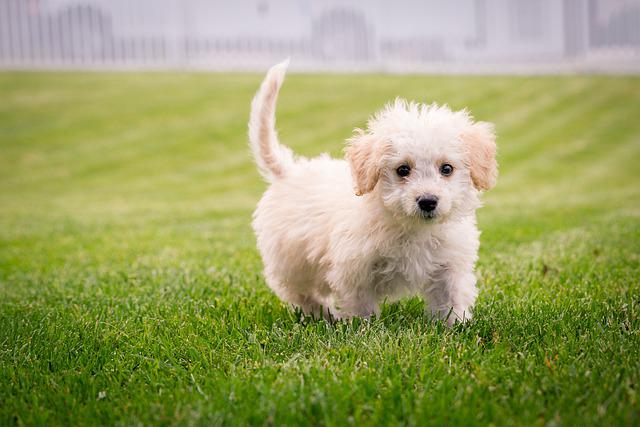
The Importance of Routine in Puppy Training
Establishing a routine is fundamental for effective puppy training. Routines help puppies predict what will happen next, which reduces anxiety and increases their willingness to learn. When puppies know they will be fed, walked, and trained at specific times, they are more likely to respond positively to commands and training sessions.
Moreover, routines can significantly enhance the bond between the owner and the puppy. Regular interactions during training, feeding, and playtime create opportunities for positive reinforcement, which is essential for a puppy’s development. This predictable framework lays the groundwork for good behavior and helps prevent future behavioral problems.
Common Mistakes in Routine Establishment
Many new puppy owners make the mistake of being inconsistent with their routines, often due to busy schedules or lack of planning. For instance, varying the times of feeding or training sessions can lead to confusion. Puppies thrive on predictability, and any variation can disrupt their learning process.
Another common error is not sticking to a routine long enough for the puppy to adjust. Puppies need time to acclimate, and frequent changes can lead to setbacks. Therefore, it’s vital to commit to a routine and give the puppy time to adapt before making any changes.
How to Create a Consistent Training Schedule
Creating a consistent training schedule involves setting specific times for various activities throughout the day. Start by determining when your puppy will eat, go outside, and have training sessions. For example, you might decide to feed your puppy at 7 AM, take them out at 7:30 AM, and then have a training session at 8 AM.
Using a calendar or planner can help new owners keep track of these schedules. Additionally, maintaining flexibility for unexpected events while trying to adhere to the routine is essential. This balance ensures that the puppy receives the structure they need without overwhelming the owner.
Recognizing Signs of Confusion in Puppies
New puppy owners should be vigilant about recognizing signs of confusion in their pets. If a puppy appears anxious, has accidents indoors, or fails to respond to commands, it may indicate that they are not understanding the routine. These behaviors often stem from inconsistent training practices.
To address this, owners should reevaluate their routines and ensure that they are consistent and clear. Observing the puppy’s reactions can provide valuable insights into what adjustments may be necessary to improve the training process.
Frequently Asked Questions
What is the best way to train a new puppy?
The best way to train a new puppy is by establishing a consistent routine that includes regular feeding, potty breaks, and training sessions.
How long does it take to train a puppy?
Training a puppy typically takes several weeks to months, depending on the consistency of the training and the individual puppy’s temperament.
What are common puppy training mistakes?
Common mistakes include inconsistency in training routines, lack of positive reinforcement, and failing to socialize the puppy effectively.
How can I tell if my puppy is confused?
Signs of confusion in a puppy may include anxiety, not responding to commands, and frequent accidents indoors.
Is it too late to train my puppy?
It is never too late to train a puppy; however, starting early and being consistent will yield the best results.
Conclusion
Ultimately, the biggest mistake new puppy owners make with training is failing to establish consistent routines. By prioritizing a structured schedule for feeding, potty breaks, and training sessions, owners can enhance their puppy’s learning experience and reduce confusion. Recognizing signs of confusion and making necessary adjustments to routines is crucial for effective training. Ultimately, a commitment to consistency will lead to a well-trained and happy puppy.