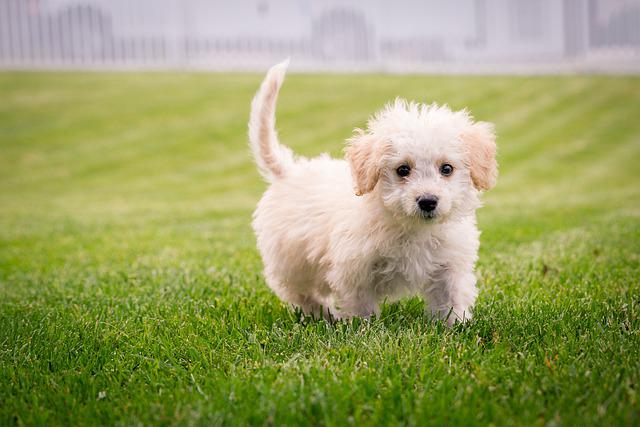
Understanding the specific reasons behind these housebreaking challenges is essential for effective resolution. Puppies thrive on predictability, and any alteration can unsettle their routine, causing them to forget previously learned behaviors. Additionally, a lack of consistent reinforcement during this transition can further complicate their ability to adapt. Recognizing these dynamics allows for targeted interventions that can facilitate a smoother transition back to successful housebreaking.
Impact of Routine Changes on Housebreaking
Changing a puppy’s daily routine can significantly impact their housebreaking success. Puppies learn to associate specific times and cues with bathroom breaks, so when these are altered, they may struggle to understand when it is appropriate to relieve themselves. This confusion can lead to accidents within the home, making it crucial to maintain a consistent schedule.
For instance, if a puppy is used to being taken outside after meals at certain times, any deviation from this pattern can disrupt their expectations. Therefore, when introducing a new schedule, it’s vital to keep feeding times and bathroom breaks consistent, allowing the puppy to adapt gradually. Monitoring their behavior during this transition can help identify any signs of confusion or distress that may require intervention.
Common Mistakes During Routine Adjustments
Puppy owners often make several mistakes when adjusting routines, which can lead to housebreaking setbacks. One common error is not providing adequate bathroom opportunities during the transition. Without frequent breaks, puppies may feel the need to relieve themselves indoors, reinforcing undesirable habits.
Another mistake is failing to maintain consistent cues and commands during this period. If the verbal cues or signals used for bathroom breaks change, the puppy may become confused, leading to accidents. Keeping a consistent approach in both timing and verbal commands is essential to minimize confusion and reinforce positive behaviors.
Strategies for Successful Reintegration
To effectively manage housebreaking issues after changing routines, several strategies can be employed. First, it’s essential to re-establish a consistent schedule that mirrors previous routines as closely as possible. This includes regular feeding times and bathroom breaks to help the puppy regain their understanding of when to go outside.
Additionally, utilizing positive reinforcement can reinforce desired behaviors. When the puppy successfully goes outside, rewarding them with praise or treats can help them associate the action with positive outcomes. Furthermore, patience and vigilance are key during this period; keeping a close eye on the puppy can prevent accidents indoors and provide opportunities for timely bathroom breaks.
When to Seek Professional Help
If housebreaking issues persist despite efforts to reintegrate routines, it may be time to seek professional assistance. A certified dog trainer or behaviorist can provide tailored strategies and insights into the puppy’s specific challenges. They can help identify any underlying issues or behavioral concerns that may be contributing to the problem.
Additionally, if the puppy shows signs of anxiety or stress related to routine changes, professional guidance can be invaluable in addressing these emotional factors. Recognizing when to ask for help can prevent further setbacks and support a smoother transition back to successful housebreaking.
For additional insights on managing puppy housebreaking issues, consider exploring resources from reputable training organizations or veterinary behaviorists. These sources can provide valuable information on effective training techniques and behavioral understanding.
Frequently Asked Questions
What should I do if my puppy has accidents after a routine change?
If your puppy has accidents after a routine change, re-establish a consistent schedule for feeding and bathroom breaks to help them readjust.
How long does it take for a puppy to adjust to a new routine?
Typically, it can take a few days to a couple of weeks for a puppy to adjust to a new routine, depending on their individual temperament and previous training.
Can stress from changes affect my puppy’s housebreaking?
Yes, stress from changes such as moving or new family members can negatively impact a puppy’s housebreaking success, leading to accidents indoors.
What are some signs that my puppy is ready to go outside?
Signs that your puppy is ready to go outside include whining, sniffing around, circling, or heading towards the door.
Should I punish my puppy for indoor accidents?
No, punishing your puppy for indoor accidents can create fear and anxiety, making housebreaking more difficult. Instead, focus on positive reinforcement.
Conclusion
Successfully managing puppy housebreaking issues after changing routines requires understanding the impact of these changes and implementing consistent strategies. Prioritizing a stable schedule and utilizing positive reinforcement can help your puppy readjust effectively. If challenges persist, seeking professional help can provide further insights and tailored solutions. By addressing these issues promptly and compassionately, you can support your puppy’s training journey and foster a positive environment for their growth.