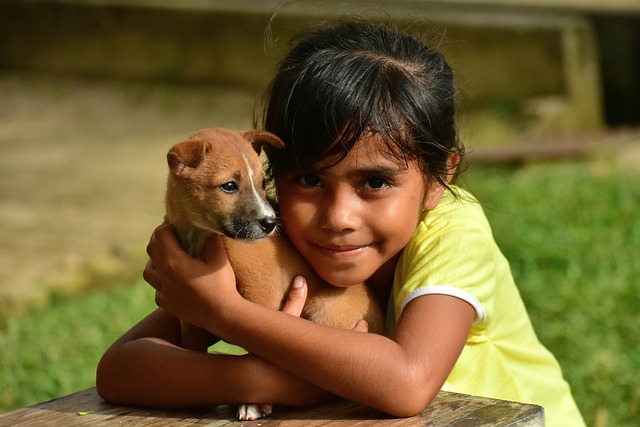
A puppy that becomes suddenly fearful of familiar environments can be distressing for both the pet and the owner. This behavior usually stems from a change in the puppy’s perception, often triggered by a frightening experience or environmental change. Common causes include loud noises, unfamiliar scents, or even a negative encounter with another animal. Understanding the underlying reasons for this fear is crucial for effective intervention.
It’s essential to recognize that sudden fear can lead to anxiety and behavioral issues if left unaddressed. Puppies rely heavily on their experiences to form associations with their environment. If they associate certain places with fear, it can inhibit their willingness to explore and enjoy their surroundings. As an owner, your priority should be to create a safe and reassuring atmosphere for your puppy, facilitating their gradual re-acclimatization.
Understanding the Causes of Fear
Fear in puppies can stem from various sources, including traumatic experiences, environmental changes, or even genetic predispositions. Loud noises, such as thunder or fireworks, can startle a puppy and create lasting anxiety. Additionally, if a puppy experiences something negative in a familiar place, such as being approached aggressively by another dog, this can lead to a fear association with that environment.
It’s crucial to observe your puppy’s behavior closely to identify specific triggers. For example, does your puppy react negatively to certain sounds or sights? Understanding these triggers can help you create a plan to address their fear effectively. Ignoring these signs can lead to more severe anxiety issues down the line.
Steps to Help Your Puppy
To assist your puppy in overcoming their sudden fear, start by reintroducing them to the familiar environment gradually. Use positive reinforcement techniques, such as treats and praise, to create positive associations with the location. Begin with short visits and gradually increase the duration as your puppy becomes more comfortable.
Additionally, consider using calming aids like anxiety wraps or pheromone diffusers to help reduce stress levels. Engaging in calming activities, such as gentle play or training exercises, can also distract your puppy from their fear and reinforce positive feelings towards the environment.
When to Seek Professional Help
If your puppy’s fear persists despite your efforts, it may be time to seek the help of a professional trainer or animal behaviorist. These experts can provide tailored strategies to address your puppy’s specific fears and guide you through the desensitization process.
Professional help is particularly important if your puppy displays aggressive behaviors or severe anxiety that interferes with their daily life. Early intervention can prevent these issues from escalating and help your puppy develop confidence in their environment.
Frequently Asked Questions
What should I do if my puppy is suddenly afraid of familiar places?
Start by gradually reintroducing your puppy to those places using positive reinforcement methods.
Can fear in puppies be a sign of a bigger issue?
Yes, persistent fear can indicate anxiety or behavioral issues that may require professional intervention.
How long does it take for a puppy to overcome their fears?
The duration varies based on the puppy and the severity of their fear; consistent positive reinforcement can aid in quicker recovery.
Are there products that can help calm my fearful puppy?
Yes, calming wraps, pheromone diffusers, and anxiety medications prescribed by a vet can be beneficial.
Should I avoid taking my puppy to fearful places?
Avoiding places may reinforce fear; instead, focus on gradual exposure with positive experiences.
Conclusion
Helping a puppy that is suddenly afraid of familiar environments requires patience and understanding. By identifying triggers and employing positive reinforcement techniques, you can assist your puppy in overcoming their fears. If the anxiety persists, do not hesitate to consult a professional for specialized guidance. A supportive environment can foster your puppy’s confidence and help them enjoy their surroundings once again.